

7 Steps to a Healthy Eating Checklist for Busy Professionals
Packed calendars and fast-paced workdays often make healthy eating feel out of reach for busy professionals. When every minute counts, grabbing whatever is quick and convenient can throw your nutrition off track and leave you feeling drained. You want practical ways to support your health and keep your energy steady without adding extra stress to your schedule.
This guide offers solutions based on proven nutrition science, such as building meals around vegetables, fruits, whole grains, and lean proteins, as recommended by the Healthy Eating Plate and Dietary Guidelines for Americans. Every tip is designed with your real-life challenges in mind and focuses on smart, time-saving techniques you can use right away.
Get ready to discover simple, actionable strategies that take the guesswork out of healthy eating and fit seamlessly into your routine. Each insight paves the way for better nutrition, more energy, and greater well-being—no matter how busy your day gets.
Table of Contents
- 1. Start With Balanced Meal Planning
- 2. Choose Fresh, Whole Ingredients
- 3. Prioritize Protein And Fiber Intake
- 4. Opt For Smart Portion Control
- 5. Stay Hydrated Throughout The Day
- 6. Adapt Meals To Keto Or Vegan Preferences
- 7. Set A Consistent Eating Schedule
Quick Summary
| Takeaway | Explanation |
|---|---|
| 1. Plan Balanced Meals | Fill half your plate with vegetables and fruits for optimal nutrition and health support. |
| 2. Choose Whole Ingredients | Opt for fresh, whole foods to maximize nutrients and maintain energy throughout the day. |
| 3. Prioritize Protein and Fiber | Incorporate adequate protein and fiber for sustained energy and digestive health during busy workdays. |
| 4. Practice Smart Portion Control | Use techniques like smaller plates and mindful eating to regulate serving sizes and reduce overeating. |
| 5. Stay Hydrated Daily | Drink sufficient water and consume foods with high water content to optimize body function and mental clarity. |
1. Start With Balanced Meal Planning
Balanced meal planning is the foundation of healthy eating for busy professionals seeking sustainable nutrition. By strategically approaching your dietary choices, you can transform your daily eating habits and support overall wellness.
The key to successful meal planning lies in understanding how to create nutrient-dense meals that provide comprehensive nutrition. According to the Healthy Eating Plate guidelines, an ideal meal should consist of:
- Half the plate filled with vegetables and fruits
- A quarter dedicated to whole grains
- A quarter focused on lean protein sources like fish, poultry, beans, and nuts
This approach ensures you receive a wide range of essential nutrients while maintaining portion control. Busy professionals often struggle with consistent nutrition due to time constraints, but strategic planning can overcome these challenges.
Effective meal planning transforms your diet from random food choices to intentional, health-supporting nutrition.
To implement balanced meal planning, consider these practical strategies:
- Batch cook protein and grain bases on weekends
- Prep versatile vegetable mixes that can be used in multiple meals
- Use portion-controlled containers for easy meal management
- Create a weekly meal template with varied but consistent nutritional profiles
The 2025-2030 Dietary Guidelines emphasize prioritizing whole, nutrient-dense foods over processed alternatives. This means selecting ingredients that are minimally processed and packed with natural nutrients.
Pro tip: Invest 2 hours each weekend creating a meal prep strategy that aligns with your fitness and nutritional goals, ensuring you have healthy options readily available during busy workdays.
2. Choose Fresh, Whole Ingredients
Selecting fresh whole ingredients is a transformative strategy for busy professionals seeking optimal nutrition and sustained energy. Your food choices directly impact your health performance and overall wellness.
Whole ingredients offer significantly more nutritional benefits compared to processed alternatives. Whole grains provide comprehensive health advantages by delivering essential nutrients in their most natural form.
Healthy diets emphasize consuming minimally processed foods that retain their natural nutritional profile. Key ingredients to prioritize include:
- Vegetables with vibrant colors
- Fresh fruits
- Legumes and beans
- Whole grains
- Raw nuts and seeds
- Lean proteins
Fresh ingredients are nutritional powerhouses that fuel your body more effectively than packaged alternatives.
When selecting ingredients, focus on:
- Choosing produce with minimal packaging
- Buying seasonal fruits and vegetables
- Selecting whole grain options over refined versions
- Checking ingredient lists for minimal processing
The Harvard Health guidelines recommend nutrient-dense foods that provide maximum nutritional value with minimal empty calories. This means prioritizing whole food sources that offer vitamins, minerals, and beneficial phytochemicals.
Pro tip: Shop the perimeter of grocery stores where fresh ingredients are typically located, avoiding processed food aisles and making healthier selections easier.
3. Prioritize Protein and Fiber Intake
Busy professionals need strategic nutrition that supports sustained energy and optimal body function. Prioritizing protein and fiber intake is crucial for maintaining metabolic health and workplace performance.
Dietary protein recommendations suggest consuming adequate amounts tailored to individual body weight and activity levels. Protein plays a critical role in muscle maintenance, enzyme production, and overall bodily functions.
Healthy protein sources include:
- Plant-based proteins like beans and lentils
- Lean poultry and fish
- Nuts and seeds
- Soy products
- Eggs
Balanced protein intake fuels your body’s essential functions and supports sustained energy throughout demanding workdays.
Fiber complements protein by supporting digestive health and providing several additional benefits:
- Stabilizes blood sugar levels
- Promotes feeling of fullness
- Supports cardiovascular health
- Aids in maintaining healthy weight
The Harvard Nutrition Source recommends approximately 0.8 grams of protein per kilogram of body weight daily. This guideline helps professionals optimize their nutritional intake without overconsumption.
Pro tip: Meal prep protein and fiber-rich foods in advance to ensure consistent nutrition during busy work weeks, using containers that make portion control easy.
4. Opt for Smart Portion Control
Portion control is the secret weapon for busy professionals seeking sustainable nutrition and healthy weight management. Understanding how much food your body truly needs can transform your eating habits and overall wellness.
Portion control strategies are critical for balancing calorie intake with physical activity and preventing overconsumption. By implementing smart portion management techniques, you can optimize your nutrition without feeling deprived.
Effective portion control methods include:
- Using smaller plates to naturally reduce serving sizes
- Measuring food with standardized tools
- Learning to recognize appropriate serving sizes
- Practicing mindful eating techniques
- Listening to your body’s hunger and fullness signals
Small changes in portion sizes can lead to significant improvements in long-term health and weight management.
Practical approaches for portion control:
- Divide your plate into balanced sections
- Use hand measurements as portion guides
- Pre-portion meals in containers
- Eat slowly and pause between bites
- Drink water before and during meals
Research from Georgetown’s ‘Power of Portions’ report highlights how intelligent portion management can prevent obesity and contribute to sustainable eating practices.
Pro tip: Invest in portion-control containers and a small food scale to quickly and accurately measure your meals, making healthy eating effortless during busy workdays.
5. Stay Hydrated Throughout the Day
Hydration is the secret weapon for peak professional performance and overall wellness. Your body’s intricate systems depend on consistent water intake to function optimally.
Water intake recommendations vary by individual, with general guidelines suggesting approximately 11 cups for women and 16 cups for men daily. These fluids can come from water, coffee, tea, and hydrating foods.
Benefits of proper hydration include:
- Regulating body temperature
- Lubricating joints
- Supporting nutrient delivery
- Preventing infections
- Maintaining organ function
- Enhancing mental clarity
Water is not just a drink it is a fundamental fuel for your body’s daily performance.
Strategies for staying hydrated:
- Carry a reusable water bottle everywhere
- Set hourly hydration reminders
- Drink water before and after meals
- Consume water-rich fruits and vegetables
- Track your daily water intake
According to CDC hydration guidelines, choosing water over sugary drinks is crucial for maintaining health and managing weight.
Pro tip: Invest in a marked water bottle with time-based hydration goals to make tracking your daily water intake effortless and automatic.
6. Adapt Meals to Keto or Vegan Preferences
Modern professionals need flexible dietary approaches that support their unique health goals and lifestyle demands. Understanding how to customize nutrition plans like keto and vegan diets can revolutionize your wellness strategy.
Stanford research on diet variations demonstrates significant health benefits from thoughtful dietary choices. Both keto and vegan approaches offer unique advantages when implemented strategically.
Key characteristics of each diet include:
-
Keto Diet
- Low carbohydrate intake
- High healthy fat consumption
- Moderate protein intake
- Goal of inducing metabolic ketosis
-
Vegan Diet
- Completely plant-based
- Rich in fruits and vegetables
- Emphasizes whole grains and legumes
- Eliminates all animal products
Personalized nutrition is about finding the right dietary approach that aligns with your individual health goals and lifestyle.
Important considerations for each diet:
- Consult a nutritionist before major dietary changes
- Ensure comprehensive nutrient intake
- Plan meals with balanced macronutrients
- Monitor body’s response to dietary shifts
- Adjust meal plans based on personal energy levels
The ketogenic diet guidelines recommend keeping carbohydrates below 50 grams daily to maintain metabolic ketosis.
Pro tip: Create a weekly meal rotation with 3-4 core recipes for your chosen diet that can be easily modified and prepared in advance to maintain consistency.
7. Set a Consistent Eating Schedule
Maintaining a structured eating schedule is the secret weapon for busy professionals seeking optimal energy and metabolic health. Your body thrives on predictable nutrition patterns that support sustained performance.
Scheduled eating recommendations emphasize consuming meals and snacks at regular intervals to maintain steady energy levels and prevent metabolic disruptions.
Benefits of a consistent eating schedule include:
- Stabilized blood sugar levels
- Improved metabolic function
- Reduced risk of overeating
- Enhanced energy management
- Better digestive efficiency
- Hormonal balance
A predictable eating rhythm transforms your nutrition from random fuel to strategic performance enhancement.
Strategies for establishing a consistent eating schedule:
- Eat breakfast within one hour of waking
- Plan meals every 3-4 hours
- Prepare snacks in advance
- Set digital reminders for meal times
- Create a flexible but structured meal template
Research from Johns Hopkins University highlights the importance of aligning eating patterns with circadian rhythms.
Pro tip: Use meal prep containers and digital scheduling tools to create a sustainable eating routine that adapts to your professional lifestyle.
Below is a comprehensive table summarizing the key strategies and benefits outlined in the article for implementing effective and sustainable nutrition habits for busy professionals.
| Category | Strategy | Benefits |
|---|---|---|
| Balanced Meal Planning | Follow recommended plate proportions. | Ensures intake of essential nutrients while maintaining balance and variety. |
| Ingredient Selection | Opt for fresh, whole ingredients. | Provides unprocessed, nutrient-dense choices promoting wellness and energy. |
| Protein and Fiber Intake | Prioritize a balanced intake of protein and fiber-rich foods. | Enhances energy, metabolic health, and digestive wellbeing. |
| Portion Control | Manage portion sizes effectively. | Supports weight management and avoids overconsumption. |
| Hydration | Maintain regular hydration levels. | Facilitates optimal bodily functions and boosts mental clarity. |
| Flexible Diets | Adapt meals to dietary preferences or goals. | Aligns with personal needs for health and lifestyle objectives. |
| Scheduled Eating | Set a consistent eating schedule. | Stabilizes energy levels and supports better metabolic health. |
Simplify Your Healthy Eating Journey With Expert Support
Busy professionals face daily challenges like balancing meal prep, managing portion control, and maintaining consistent nutrition as outlined in the “7 Steps to a Healthy Eating Checklist for Busy Professionals” article. If you are striving to eat balanced meals with fresh ingredients, prioritize protein and fiber, and stay hydrated without sacrificing valuable time your goals align closely with what we offer.
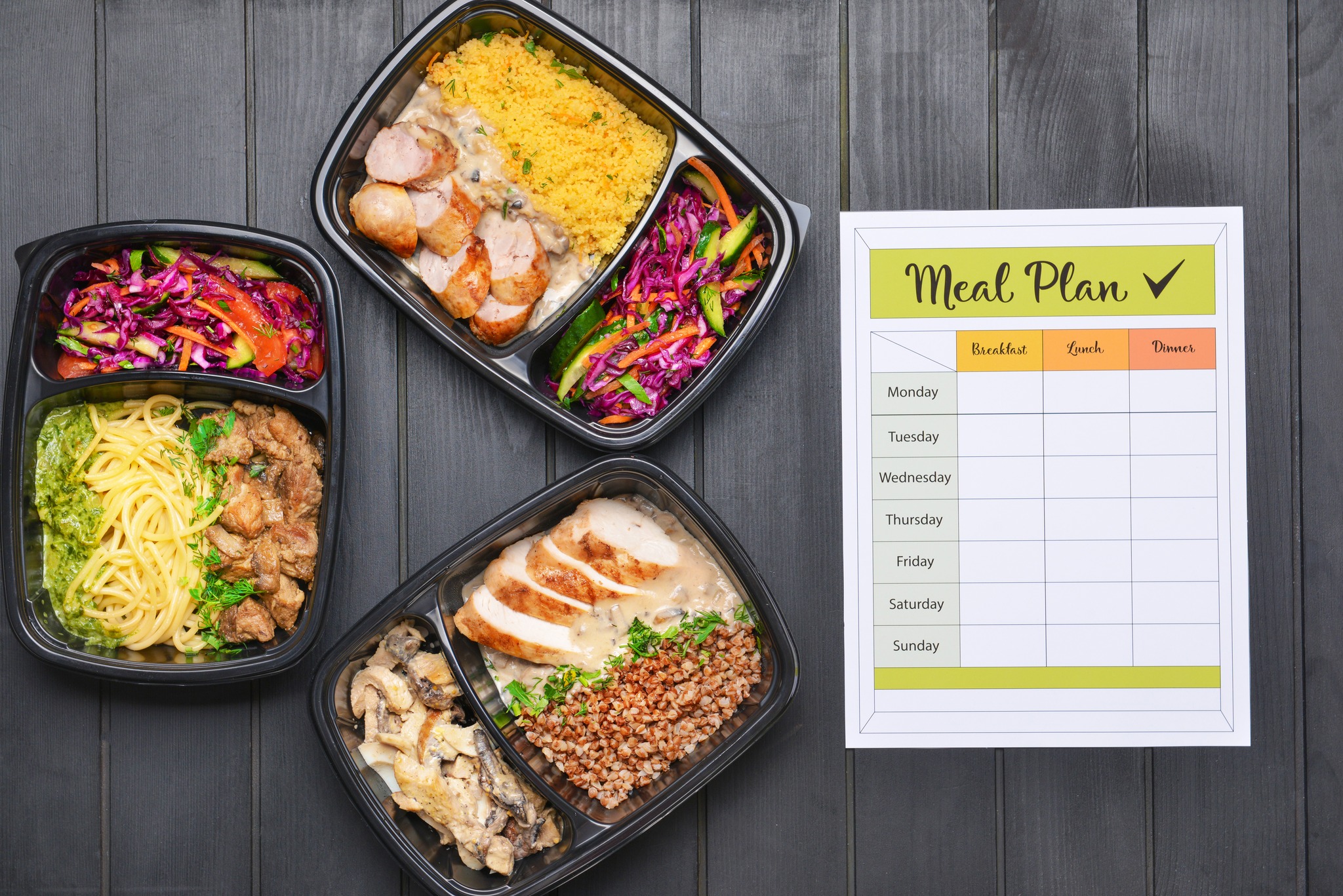
At Fresh Fitness Food, we specialize in delivering customized meal solutions that eliminate the stress of cooking and portion planning. Whether you follow keto, vegan, or any personalized diet plan our macro-balanced menus use whole, nutrient-dense foods to fuel your busy lifestyle. Take control today and enjoy fresh meals tailored to your fitness needs so you can sustain energy, stay hydrated, and keep a consistent eating schedule effortlessly. Visit Fresh Fitness Food now and experience how easy reaching your health goals can be.
Frequently Asked Questions
How can I start balanced meal planning as a busy professional?
Balanced meal planning begins by dividing your plate into nutrient-dense portions, including half vegetables and fruits, a quarter whole grains, and a quarter lean proteins. Schedule two hours each weekend to prepare meals in advance, ensuring you have healthy options ready for your busy workdays.
What should I focus on when choosing ingredients for a healthy diet?
Choose fresh, whole ingredients over processed options to maximize nutritional benefits. Prioritize items like colorful vegetables, whole grains, and lean proteins while shopping, aiming to fill your cart with minimally packaged products to enhance your diet.
How can I ensure I’m getting enough protein and fiber in my meals?
Prioritize protein and fiber by including sources like beans, lentils, lean meats, and vegetables in every meal. Aim for at least 0.8 grams of protein per kilogram of body weight daily and incorporate high-fiber foods like fruits, vegetables, and whole grains for optimal digestion and energy.
What are effective portion control strategies for maintaining a healthy weight?
Effective portion control can be achieved by using smaller plates and recognized serving sizes to limit intake. Practice mindful eating by slowing down and listening to your body’s hunger signals, which can significantly improve your long-term health.
How important is hydration for busy professionals, and what are some ways to stay hydrated?
Staying properly hydrated is crucial for maintaining energy levels and overall performance. Carry a reusable water bottle and track your intake to ensure you drink adequate amounts daily, aiming for at least 11 to 16 cups depending on your gender.
How can I create a consistent eating schedule that fits my busy lifestyle?
To establish a consistent eating schedule, plan meals and snacks at regular intervals throughout the day. Set reminders and prepare snacks in advance to maintain steady energy levels and optimize metabolic function.