

Vegan Meal Solutions: Supporting Fitness Goals Efficiently
Busy schedules and fitness ambitions often make meal prep feel overwhelming for professionals in Bucharest. Finding convenient vegan meal solutions that truly support your health goals matters when every minute counts. With plant-based diets offering remarkable health and sustainability benefits, you can enjoy nutrient-rich, performance-focused meals without sacrificing time or nutrition. Discover how intelligent vegan meal choices reshape fitness and wellness while keeping your routine hassle-free.
Table of Contents
- Defining Vegan Meal Solutions And Misconceptions
- Types Of Vegan Meal Solutions For Fitness
- How Vegan Meal Solutions Support Health
- Nutritional Challenges And Solutions
- Comparing Vegan Meals To Other Diet Options
Key Takeaways
| Point | Details |
|---|---|
| Nutritional Strategy | Vegan meal solutions provide a comprehensive approach prioritizing plant-based ingredients for optimal fitness and health outcomes. |
| Fitness Customization | Different vegan meal types can be tailored for specific fitness goals, such as muscle building or endurance. |
| Health Benefits | Well-designed vegan diets can reduce chronic disease risks, enhance metabolic efficiency, and support overall wellness. |
| Addressing Challenges | Targeted nutritional strategies and supplementation are essential to overcome potential deficiencies commonly associated with vegan diets. |
Defining Vegan Meal Solutions and Misconceptions
Vegan meal solutions represent more than just a dietary trend – they are a comprehensive approach to nutrition that supports fitness goals while prioritizing plant-based ingredients. Plant-based diets offer remarkable health and sustainability benefits that extend far beyond traditional eating patterns.
Contrary to popular misconceptions, vegan meal solutions are not about deprivation or limited nutritional value. Instead, they represent a strategic and scientifically-informed approach to meeting fitness and wellness objectives through carefully designed nutrition. These meal solutions focus on delivering essential nutrients through plant-based sources, ensuring that athletes and fitness enthusiasts can maintain peak performance.
Key characteristics of effective vegan meal solutions include:
- Comprehensive nutrient profile
- Balanced macronutrient distribution
- Strategic ingredient selection
- Performance-oriented meal planning
- Customization for individual fitness goals
The nutritional landscape of vegan diets requires careful planning to address potential nutrient gaps. Research indicates that successful vegan meal strategies must incorporate:
- Protein-rich plant sources
- Essential amino acid combinations
- Targeted micronutrient supplementation
- Bioavailable nutrient formats
- Metabolically optimized meal compositions
Protein diversity becomes crucial in vegan meal solutions. Unlike traditional diets, plant-based proteins demand more intentional combination and processing to ensure complete amino acid profiles. This means incorporating diverse protein sources like legumes, quinoa, tempeh, and strategically formulated plant protein blends.
Vegan meal solutions are not about restriction, but about intelligent nutritional engineering that supports holistic fitness objectives.
Pro tip: Consult a nutritionist specializing in plant-based athletic nutrition to develop a personalized vegan meal strategy that aligns precisely with your specific fitness goals and metabolic needs.
Types of Vegan Meal Solutions for Fitness
Vegan meal solutions for fitness are not one-size-fits-all, but rather a diverse ecosystem of nutritional approaches tailored to individual athletic needs. Specialized vegan nutrition strategies support different fitness goals by providing targeted meal compositions that optimize performance and recovery.
The landscape of vegan meal solutions encompasses several distinctive categories designed to meet varied fitness requirements:
- Muscle Building Solutions: High-protein plant-based meal plans
- Endurance Athlete Packages: Carbohydrate-rich, sustained energy formulations
- Weight Management Meals: Calorie-controlled, nutrient-dense options
- Performance Recovery Meals: Protein and nutrient-replenishing compositions
- Metabolic Optimization Meals: Strategically balanced macronutrient profiles
Advanced food processing techniques have revolutionized vegan meal solutions, enabling more sophisticated nutritional engineering. These innovations allow for enhanced protein bioavailability, micronutrient fortification, and precise macronutrient targeting that was previously challenging in plant-based nutrition.
The most effective vegan meal solutions incorporate:
- Complete protein combinations
- Strategic micronutrient supplementation
- Metabolically optimized ingredient selections
- Performance-specific nutritional profiles
- Personalized caloric adjustments
Protein diversity remains critical in vegan fitness nutrition. Unlike traditional diets, plant-based proteins require intentional combination to create complete amino acid profiles. This means incorporating diverse protein sources like legumes, quinoa, tempeh, and scientifically formulated plant protein blends.
The following table highlights how different types of vegan meal solutions support specific fitness goals:
| Fitness Goal | Vegan Meal Solution Type | Key Nutritional Focus |
|---|---|---|
| Muscle gain | High-protein, varied sources | Protein diversity, amino acids |
| Endurance performance | Carbohydrate-rich meals | Complex carbs, steady energy |
| Weight management | Calorie-controlled plans | Satiety, nutrient density |
| Recovery optimization | Protein and micronutrient blends | Antioxidants, inflammation |
| Metabolic efficiency | Balanced macronutrient meals | Macronutrient ratio tuning |
Vegan meal solutions represent a sophisticated approach to nutrition that goes beyond dietary restrictions, focusing on intelligent, performance-driven nutritional strategies.
Pro tip: Collaborate with a sports nutritionist specializing in plant-based diets to develop a personalized vegan meal strategy that precisely matches your unique fitness objectives and metabolic requirements.
How Vegan Meal Solutions Support Health
Vegan meal solutions play a transformative role in supporting holistic health, extending far beyond simple dietary choices. Comprehensive plant-based nutrition reduces chronic disease risks by providing nutrient-dense foods that actively promote metabolic wellness and disease prevention.
The health benefits of well-designed vegan meal solutions encompass multiple physiological dimensions:
- Reduced cardiovascular disease risk
- Enhanced metabolic efficiency
- Improved inflammatory response regulation
- Lower diabetes susceptibility
- Potential cancer risk mitigation
- Optimized digestive system functioning
Global health recommendations increasingly support plant-based dietary approaches as viable strategies for preventing non-communicable diseases. These nutritional frameworks leverage whole food ingredients that provide comprehensive micronutrient profiles while minimizing inflammatory compounds typically found in animal-based diets.
The most significant health advantages of vegan meal solutions emerge from their strategic nutritional composition:
- High antioxidant concentration
- Rich phytonutrient diversity
- Balanced macronutrient profiles
- Enhanced nutrient bioavailability
- Reduced processed food consumption
Nutritional diversity remains crucial in developing health-supportive vegan meal strategies. This involves carefully selecting plant proteins, incorporating a wide range of colorful vegetables, integrating complex carbohydrates, and ensuring comprehensive micronutrient intake through intelligent ingredient combinations.
Vegan meal solutions represent a proactive approach to health, transforming nutrition from a mere survival mechanism to a strategic wellness intervention.
Pro tip: Consult a registered dietitian specializing in plant-based nutrition to develop a personalized vegan meal strategy that precisely addresses your unique metabolic requirements and health objectives.
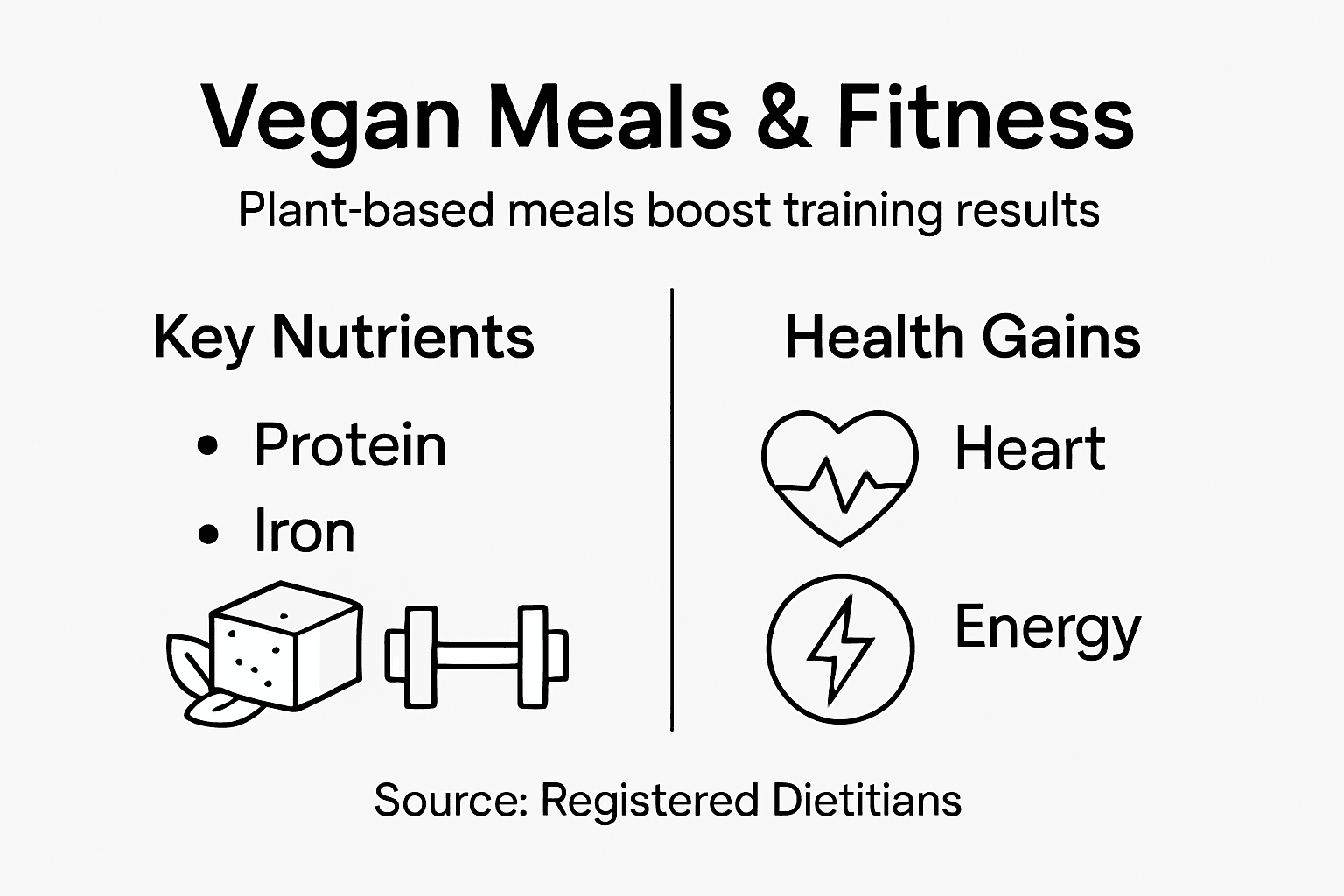
Nutritional Challenges and Solutions
Vegan meal solutions come with unique nutritional complexities that require strategic and informed approaches. Targeted nutritional strategies address key dietary deficiencies in plant-based diets, ensuring comprehensive health and performance optimization.
The primary nutritional challenges in vegan meal solutions include:
- Vitamin B12 limitations
- Potential protein completeness gaps
- Reduced iron bioavailability
- Omega-3 fatty acid constraints
- Calcium absorption difficulties
- Zinc and iodine metabolic interactions
Successful nutritional solutions demand a multifaceted approach that integrates:
- Strategic food fortification
- Intelligent ingredient combinations
- Precision micronutrient supplementation
- Advanced food processing techniques
- Personalized nutritional assessment
Micronutrient engineering represents a critical frontier in vegan nutrition. This involves carefully selecting plant-based ingredients that not only provide macronutrients but also deliver comprehensive micronutrient profiles through innovative preparation and combination methods.

Here’s how vegan meal solutions address common nutritional challenges compared to traditional diets:
| Nutritional Challenge | Vegan Meal Solution Approach | Traditional Diet Approach |
|---|---|---|
| Protein completeness | Diverse plant sources and blending | Wide variety of animal proteins |
| Vitamin B12 intake | Fortified foods and supplements | Naturally found in animal products |
| Iron bioavailability | Include vitamin C-rich combinations | Animal-based iron is more absorbable |
| Omega-3 sourcing | Algae-based or flaxseed supplements | Natural sources like fish |
| Calcium absorption | Fortified plant milks and greens | Dairy products |
| Zinc and iodine intake | Sea vegetables, fortified products | Animal foods, iodized salt |
Effective vegan nutrition is not about elimination, but about intelligent nutritional reconstruction and strategic supplementation.
Pro tip: Work with a registered nutritionist to develop a comprehensive micronutrient testing and supplementation strategy that addresses your specific metabolic requirements and fitness goals.
Comparing Vegan Meals to Other Diet Options
Dietary comparisons reveal nuanced differences between vegan and alternative nutritional approaches. Comprehensive dietary research highlights critical health distinctions between plant-based and traditional omnivorous eating patterns, demonstrating the complex metabolic impacts of different nutritional strategies.
Key comparative characteristics across dietary approaches include:
- Cardiovascular disease risk profiles
- Chronic illness prevention potential
- Metabolic efficiency
- Environmental sustainability
- Nutrient density variations
- Long-term health outcomes
Metabolic performance varies significantly across dietary frameworks. Vegan diets demonstrate particular advantages in several critical health domains:
- Lower inflammation markers
- Improved insulin sensitivity
- Reduced cardiovascular strain
- Enhanced antioxidant profiles
- Potentially lower cancer risk
Nutritional research indicates that diet quality matters more than strict categorization. Global institutional endorsements increasingly support plant-based nutrition as a viable and potentially superior dietary approach, emphasizing the importance of intelligent meal design over rigid dietary restrictions.
Dietary choices are not about absolute elimination, but about strategic nutritional engineering that supports individual metabolic needs.
Pro tip: Conduct a comprehensive nutritional assessment with a registered dietitian to determine the most appropriate dietary approach for your specific health and fitness goals.
Achieve Your Fitness Goals with Expertly Crafted Vegan Meal Solutions
Navigating the challenges of vegan nutrition requires more than just willpower. If you want to maximize muscle gain, enhance endurance, or optimize recovery, you need a meal plan that addresses protein diversity, micronutrient balance, and metabolic optimization. Many struggle with insufficient nutrient bioavailability and accurate calorie control when going vegan. That’s why fresh, precisely formulated vegan meals can make all the difference in supporting your fitness and wellness journey.
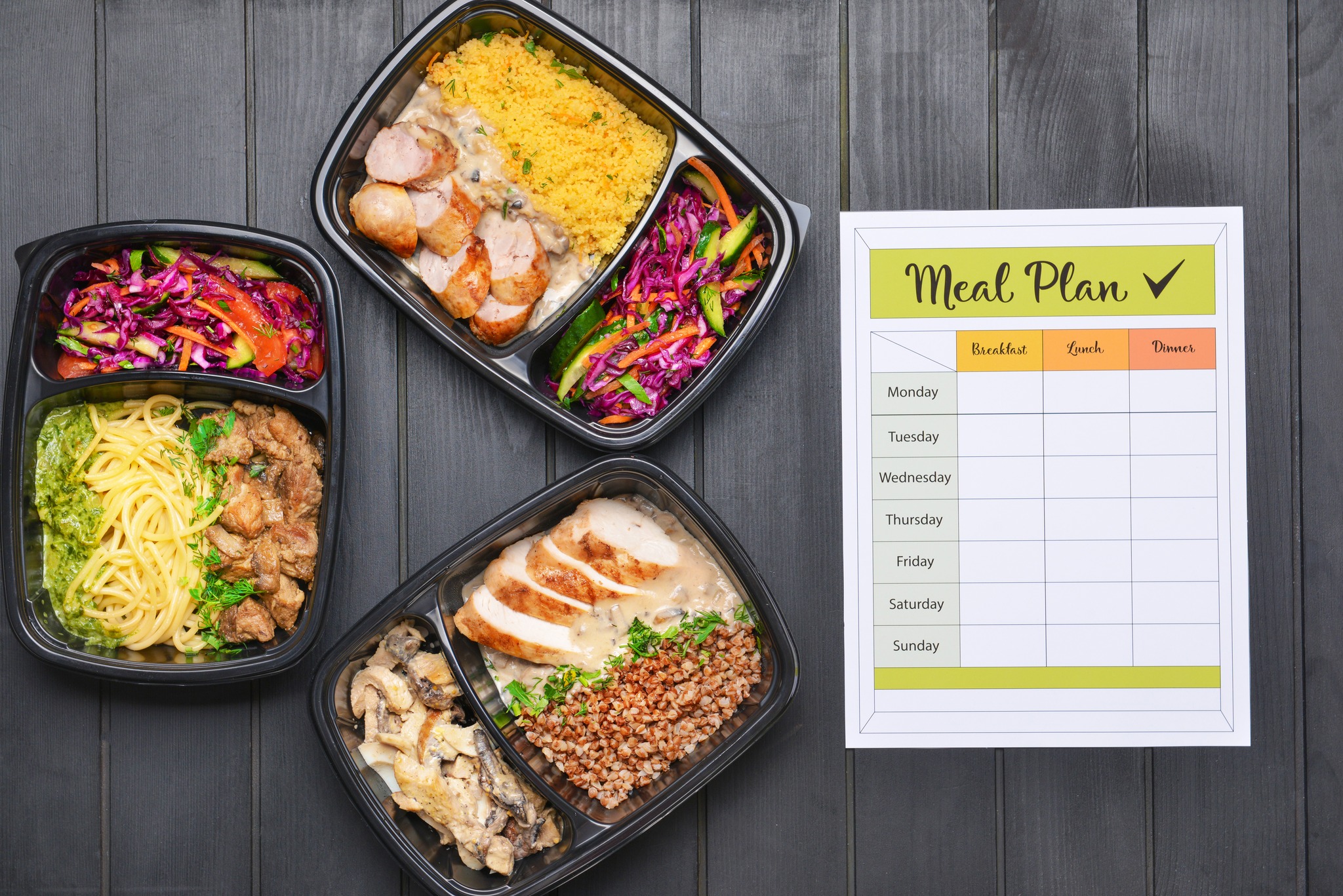
Discover how Fresh Fitness Food transforms vegan meal solutions into a convenient, delicious way to hit your fitness targets. Our personalized plans integrate carefully selected plant-based ingredients customized to your unique metabolic needs and fitness goals. Whether you seek muscle building, weight management, or performance recovery, explore our expertly balanced menus that eliminate guesswork. Start your path to smarter, performance-driven nutrition now at Fresh Fitness Food and experience the benefits of easy, tailored meals combined with fitness coaching designed for real results.
Frequently Asked Questions
What are vegan meal solutions?
Vegan meal solutions are nutritional plans that focus on plant-based ingredients to meet fitness and wellness goals, emphasizing a balanced intake of essential nutrients.
How do vegan meal solutions support muscle building?
Vegan meal solutions for muscle building typically include high-protein plant sources like legumes and quinoa, aiming for diverse protein combinations to ensure complete amino acid profiles.
What are the nutritional challenges of a vegan diet?
Common nutritional challenges of a vegan diet include potential gaps in vitamin B12, protein completeness, iron bioavailability, and omega-3 fatty acids, which can be addressed through strategic food choices and supplementation.
How can vegan meal solutions improve overall health?
Well-designed vegan meal solutions can enhance overall health by reducing the risk of chronic diseases, improving metabolic efficiency, and promoting a healthy inflammatory response through nutrient-dense, plant-based foods.