

Benefits of Vegan Meal Plans for Active Lifestyles
Finding time for meal prep while maintaining a balanced diet is a real challenge for many young professionals in Bucuresti. With busy schedules and fitness ambitions, the appeal of vegan meal plans grows stronger but nutritional complexity often raises concerns. Vegan meal plans stand out for their complete elimination of animal-derived products and intentional focus on micronutrient adequacy, making them uniquely suited to support wellness and sustainability. This article explores practical strategies for achieving nutritional balance and convenience through plant-based meals tailored for active lifestyles.
Table of Contents
- What Makes Vegan Meal Plans Unique
- Varieties of Vegan Meal Plans Explained
- How Vegan Meals Support Fitness Goals
- Nutrition, Recovery, and Sustained Energy
- Comparing Vegan Meals to Other Diets
- Addressing Common Challenges and Myths
Key Takeaways
| Point | Details |
|---|---|
| Unique Nutritional Focus | Vegan meal plans eliminate all animal products, emphasizing plant-based nutrition to ensure a balanced intake of essential nutrients. |
| Variety of Meal Plans | Options range from Whole-Food Plant-Based to High-Protein Vegan, each catering to different dietary preferences and health goals. |
| Support for Fitness Goals | Strategically designed vegan meals can enhance muscle recovery, energy optimization, and overall athletic performance. |
| Addressing Common Misconceptions | Vegan diets can meet nutritional needs through careful planning, addressing concerns about protein and micronutrient adequacy. |
What Makes Vegan Meal Plans Unique
Vegan meal plans represent a distinctive nutritional approach that completely eliminates all animal-derived products, creating a unique dietary strategy centered on plant-based nutrition. Unlike traditional meal plans, these specialized diets require meticulous nutritional engineering to ensure comprehensive nutrient coverage. Plant-based nutrition strategies demand careful planning to address potential micronutrient challenges inherent in excluding animal foods.
The fundamental uniqueness of vegan meal plans lies in their comprehensive approach to nutrition that prioritizes sustainability, ethical considerations, and health optimization. These meal plans distinguish themselves through several key characteristics:
- Complete elimination of all animal products
- High fiber content from whole plant foods
- Lower saturated fat profile compared to standard diets
- Emphasis on diverse protein sources
- Intentional micronutrient supplementation
Nutritional complexity sets vegan meal plans apart, requiring strategic combinations of plant proteins and potential fortification. Micronutrient adequacy in vegan diets necessitates thoughtful ingredient selection to ensure complete nutritional profiles, particularly for critical nutrients like vitamin B12, calcium, and omega-3 fatty acids.
Successful vegan meal plans transcend mere food substitution, representing a holistic approach to nutrition that considers environmental impact, personal health, and ethical food choices. By carefully balancing protein sources, incorporating fortified foods, and understanding nutritional nuances, individuals can craft meal plans that not only meet but potentially exceed traditional dietary standards.
Pro tip: Consult a registered dietitian specializing in plant-based nutrition to develop a personalized vegan meal plan that addresses your specific health and fitness goals.
Varieties of Vegan Meal Plans Explained
Vegan meal plans represent a diverse spectrum of nutritional strategies, each offering unique approaches to plant-based eating. Vegan diet variations demonstrate the flexibility and complexity of plant-focused nutrition, ranging from strictly whole-food approaches to more flexible dietary models.
The primary varieties of vegan meal plans include:
- Whole-Food Plant-Based (WFPB): Focuses on unprocessed, minimally refined plant foods
- Raw Vegan: Emphasizes uncooked, unprocessed plant foods
- High-Protein Vegan: Prioritizes plant-based protein sources for athletes and active individuals
- Gluten-Free Vegan: Eliminates both animal products and gluten-containing grains
- Flexitarian: Allows occasional animal product consumption while predominantly plant-based
Each vegan meal plan type offers distinct nutritional profiles and potential health benefits. Whole-food plant-based diets typically provide the most comprehensive nutritional coverage, emphasizing nutrient-dense foods like legumes, whole grains, fruits, and vegetables. Raw vegan plans maximize enzymatic activity and nutrient preservation through minimal food processing, while high-protein vegan plans strategically combine plant proteins to support muscle development and athletic performance.
Nutritional diversity and careful planning remain critical across all vegan meal plan varieties. Understanding individual nutritional needs, activity levels, and personal health goals helps individuals select the most appropriate vegan meal plan strategy for their lifestyle and wellness objectives.
Here’s a side-by-side look at how popular vegan meal plan types compare:
| Meal Plan Type | Key Focus | Typical Macronutrient Balance |
|---|---|---|
| Whole-Food Plant-Based | Minimally processed foods | Higher carbs, moderate protein |
| Raw Vegan | Uncooked whole plants | Higher fiber, lower calories |
| High-Protein Vegan | Plant protein emphasis | Increased protein, moderate carbs |
| Gluten-Free Vegan | Removes gluten and animal | Customized carbs, higher legumes |
| Flexitarian | Mainly plants, some animal | Flexible balance, varies widely |
Pro tip: Consult a registered dietitian to develop a personalized vegan meal plan that aligns perfectly with your specific health, fitness, and nutritional requirements.
How Vegan Meals Support Fitness Goals
Performance nutrition strategies demonstrate that vegan meals can effectively support comprehensive fitness goals when strategically designed. Contrary to traditional beliefs, plant-based nutrition offers robust support for athletes and active individuals through carefully planned macronutrient and micronutrient intake.
Key ways vegan meals support fitness objectives include:
- Muscle Recovery: Provides essential amino acids through strategic protein combinations
- Energy Optimization: High carbohydrate content from whole plant foods
- Inflammation Reduction: Natural anti-inflammatory compounds from fruits and vegetables
- Cardiovascular Efficiency: Improved heart health through nutrient-dense plant proteins
- Metabolic Flexibility: Enhanced nutrient absorption and utilization
Plant-based nutritional strategies reveal that vegan diets can significantly impact muscle adaptation and physical performance. The molecular signaling in skeletal muscle responds positively to carefully constructed plant-based meal plans, offering potential advantages in endurance and overall athletic performance. Crucial considerations include protein quality, comprehensive micronutrient intake, and balanced macronutrient distribution.

Successful vegan fitness nutrition requires understanding individual metabolic needs, activity levels, and precise nutritional engineering. Athletes must focus on complete protein sources, strategic supplementation, and meal timing to maximize performance potential while maintaining a completely plant-based dietary approach.
Pro tip: Consult a sports nutritionist specializing in plant-based diets to develop a personalized vegan meal plan that precisely matches your specific fitness and performance goals.
Nutrition, Recovery, and Sustained Energy
Plant-based energy metabolism offers a sophisticated approach to maintaining consistent physical performance through strategic nutritional engineering. Vegan meal plans unlock unique metabolic pathways that support sustained energy production, muscle recovery, and overall athletic resilience.
Key components of vegan nutrition that drive sustained energy include:
- Complex Carbohydrates: Slow-release energy from whole grains and legumes
- Protein Diversity: Complete amino acid profiles from combined plant sources
- Antioxidant Rich Foods: Reduced inflammation and faster recovery
- Micronutrient Dense Ingredients: Enhanced cellular energy production
- Hydration-Supporting Nutrients: Improved electrolyte balance
The metabolic advantages of plant-based nutrition extend beyond simple caloric intake. Vegan diets contribute to more efficient energy utilization by providing high-fiber foods that stabilize blood sugar, reduce metabolic stress, and support consistent performance levels. The intricate balance of macronutrients and micronutrients in well-designed vegan meal plans enables athletes to maintain steady energy output while minimizing recovery time.
Successful energy management through vegan nutrition requires understanding individual metabolic requirements, strategic meal timing, and comprehensive nutrient combinations. By prioritizing whole, nutrient-dense foods and maintaining a balanced approach to plant-based protein and carbohydrate intake, active individuals can optimize their physical performance and metabolic efficiency.
Pro tip: Create a meal prep routine that includes pre- and post-workout plant-based options to maintain consistent energy levels and support rapid muscle recovery.
Comparing Vegan Meals to Other Diets
Comparative dietary analysis reveals the nuanced differences between vegan nutrition and traditional dietary approaches. Unlike omnivorous meal plans, vegan diets offer a distinctive nutritional profile that prioritizes plant-based whole foods, presenting unique advantages and potential challenges for health-conscious individuals.
Key comparative distinctions between vegan and other dietary approaches include:
- Cardiovascular Health: Lower heart disease risk in well-planned vegan diets
- Environmental Impact: Significantly reduced ecological footprint
- Nutrient Density: Higher antioxidant and fiber content
- Potential Deficiency Risks: Increased need for strategic supplementation
- Inflammation Response: Reduced inflammatory markers
Dietary sustainability research highlights critical differences in resource utilization and long-term health outcomes. Vegan diets demonstrate superior efficiency in land and water use, with lower greenhouse gas emissions compared to traditional omnivorous nutrition. However, careful planning remains essential to ensure comprehensive nutrient intake and prevent potential micronutrient deficiencies.
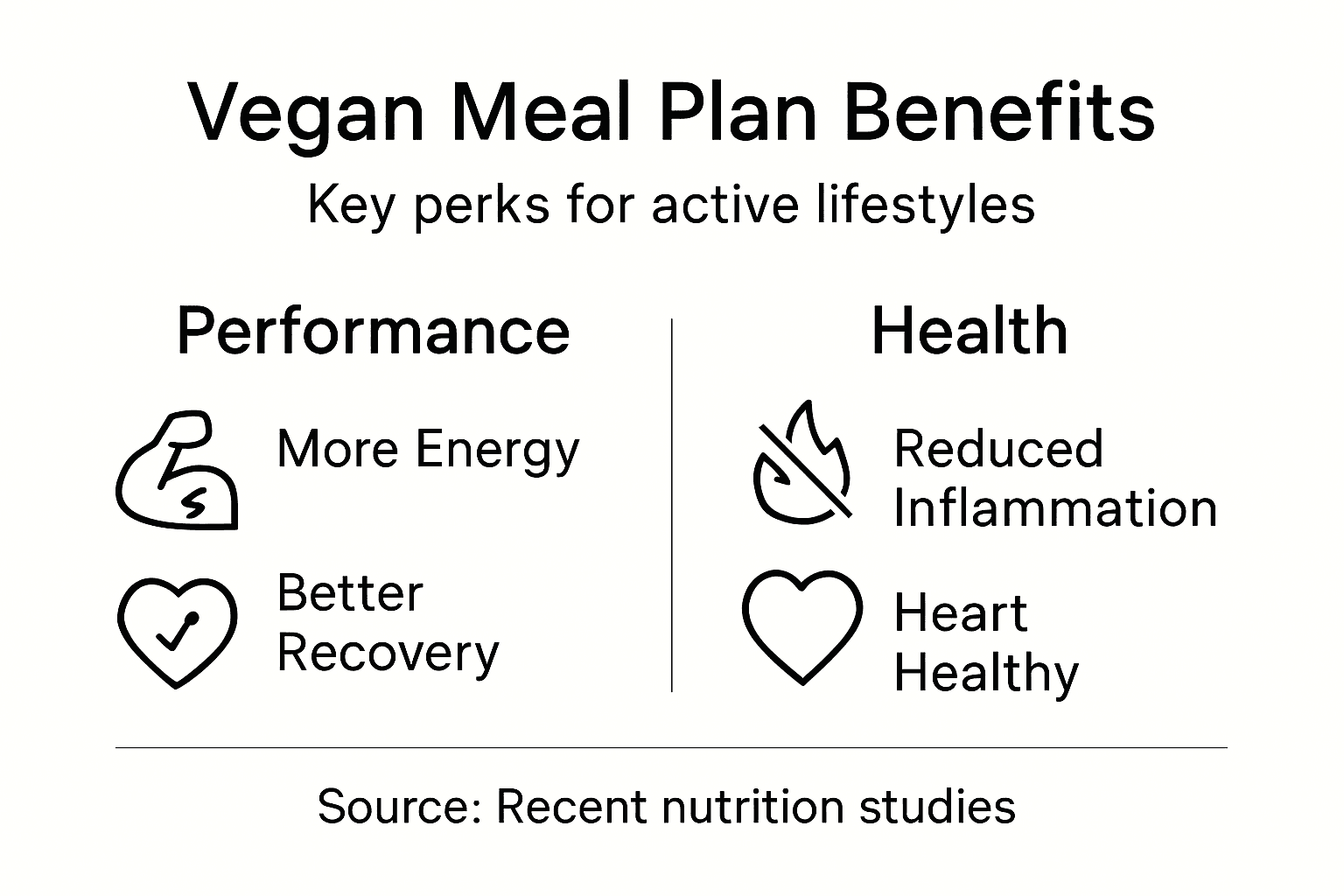
While vegan diets offer compelling health and environmental advantages, they are not a one-size-fits-all solution. Balanced omnivorous diets with increased plant-based components can also yield positive health outcomes. The key lies in understanding individual nutritional needs, maintaining dietary diversity, and focusing on whole, minimally processed foods across all dietary approaches.
This comparison highlights how vegan and omnivorous diets differ in health and sustainability:
| Aspect | Vegan Diet | Omnivorous Diet |
|---|---|---|
| Heart Health | Often lowers cholesterol | Higher saturated fat risk |
| Environmental Impact | Lower resource usage | Greater land and water needs |
| Nutrient Concerns | Requires B12 supplement | May lack fiber, antioxidants |
| Inflammation | Often reduces markers | Can increase inflammation |
Pro tip: Consult a registered dietitian to develop a personalized nutrition strategy that balances your specific health goals, dietary preferences, and potential nutrient requirements.
Addressing Common Challenges and Myths
Vegan nutritional challenges reveal a complex landscape of misconceptions and legitimate dietary considerations that require strategic nutritional planning. Contrary to popular belief, vegan diets are not inherently deficient or restrictive, but rather demand thoughtful approach and informed nutritional choices.
Common myths and challenges in vegan nutrition include:
- Protein Insufficiency: Easily addressed through diverse plant protein sources
- Nutrient Deficiency: Manageable with strategic food selection and supplementation
- Limited Food Variety: Extensive global plant-based culinary options exist
- Performance Limitations: Well-planned vegan diets support peak athletic performance
- Expensive Dietary Approach: Cost-effective when focusing on whole food sources
Technological advances in food processing and nutritional science have significantly expanded options for addressing potential nutrient gaps. Strategic approaches like incorporating fortified foods, understanding complementary protein combinations, and targeted supplementation can effectively mitigate traditional concerns about vegan nutritional adequacy. Critical nutrients such as vitamin B12, iron, calcium, and omega-3 fatty acids can be successfully integrated through mindful dietary planning.
Education and individual nutritional awareness remain key to successfully navigating vegan dietary challenges. Understanding personal metabolic needs, consulting nutrition professionals, and maintaining a diverse, whole-food approach can transform perceived limitations into opportunities for optimal health and performance.
Pro tip: Consult a registered dietitian specializing in plant-based nutrition to develop a personalized strategy for comprehensive nutrient intake and dietary balance.
Elevate Your Active Lifestyle with Tailored Vegan Meal Plans
Are you ready to overcome the common challenges of creating a balanced vegan meal plan that supports muscle recovery, sustained energy, and overall fitness? This article highlights the importance of strategic nutrition design, including protein diversity, micronutrient balance, and anti-inflammatory foods to help you perform at your best without compromise. Fresh, personalized meal solutions can remove the stress of meal prep while ensuring you meet your unique fitness and wellness goals.
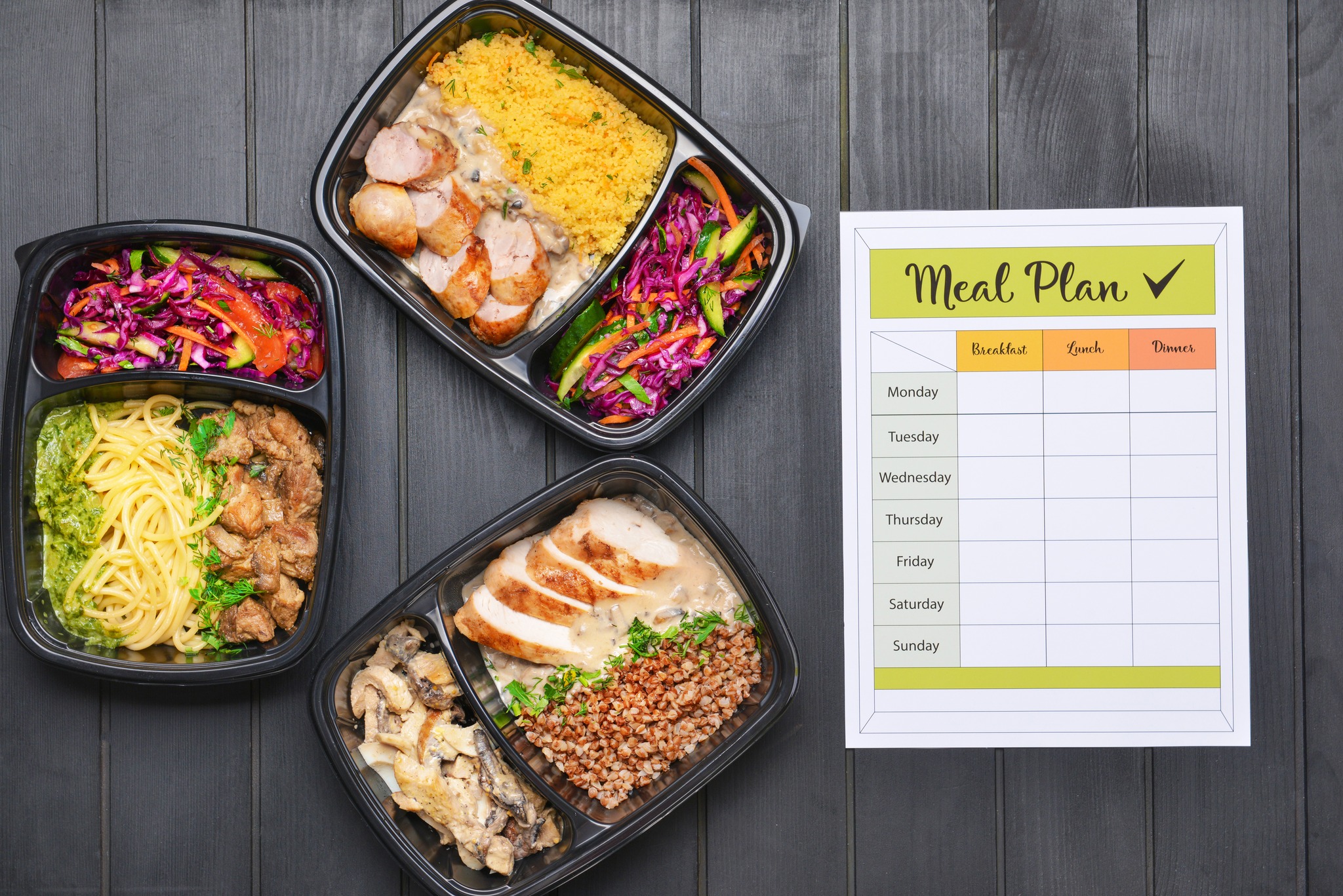
Discover how Fresh Fitness Food can help you enjoy expertly crafted, macro-balanced vegan meals made from fresh ingredients. Our approach gives you the nutritional edge through customization and convenience so you can focus fully on your fitness journey. Don’t wait to experience plant-based nutrition tailored exactly to your lifestyle and goals. Get started today at Fresh Fitness Food and take the first step toward a healthier, more powerful you.
Explore more on personalized nutrition and lifestyle coaching in one place with our comprehensive offerings designed just for you at Fresh Fitness Food.
Frequently Asked Questions
What are the key benefits of vegan meal plans for active individuals?
Vegan meal plans support active lifestyles by providing high carbohydrate content for energy, diverse plant proteins for muscle recovery, and antioxidants for inflammation reduction.
How can vegan meals help in muscle recovery?
Vegan meals support muscle recovery by providing essential amino acids through strategic combinations of plant proteins, which help in repairing and rebuilding muscle tissue after exercise.
Are vegan meal plans sufficient for athletic performance?
Yes, well-planned vegan meal plans can meet the nutritional needs of athletes by focusing on complete protein sources, ensuring sufficient caloric intake, and utilizing micronutrient-rich foods.
What nutritional challenges might arise on a vegan meal plan?
Vegan meal plans can present challenges such as potential deficiencies in vitamin B12, calcium, and omega-3 fatty acids, which can be addressed through strategic food choices and supplementation.