

7 Essential Steps for a Fitness Meal Planning Checklist
Every health-conscious busy professional in Bucuresti knows how challenging it can be to eat like an American athlete while navigating long workdays and packed schedules. In fact, research shows that over 60 percent of professionals struggle to maintain consistent, macro-balanced meals when aiming for weight loss or muscle gain. Understanding how to define clear goals and create meal strategies that fit your unique preferences unlocks a world of convenient nutrition, fueling your progress without sacrificing valuable time.
Table of Contents
- 1. Define Your Fitness Goals and Dietary Preferences
- 2. Calculate Daily Calorie and Macro Needs
- 3. Choose Fresh, Whole Food Ingredients
- 4. Plan Balanced Meals with Nutrient Variety
- 5. Schedule Meal Times for Optimal Energy
- 6. Prep and Portion Meals for the Week
- 7. Track Progress and Adjust Your Meal Strategy
Quick Summary
| Takeaway | Explanation |
|---|---|
| 1. Define clear fitness goals | Establish specific, measurable targets to guide your nutrition strategy effectively. |
| 2. Calculate daily calorie and macro needs | Determine your unique calorie and macronutrient requirements for optimal results in your fitness journey. |
| 3. Choose high-quality whole foods | Select minimally processed ingredients to ensure you receive essential nutrients for performance and recovery. |
| 4. Plan balanced meals with variety | Structure meals with diverse food groups to maximize nutrient intake and support overall health. |
| 5. Regularly track progress and adjust | Continuously assess your results and be flexible with your meal strategy to align with changing health goals. |
1. Define Your Fitness Goals and Dietary Preferences
Successful fitness journeys begin with crystal clear goals and a deep understanding of your personal dietary needs. The foundation of any effective meal plan is knowing exactly what you want to achieve and tailoring your nutrition to support those objectives.
Defining your fitness goals requires honest self assessment and specificity. Are you aiming to build muscle, lose weight, improve athletic performance, or enhance overall health? Setting realistic fitness goals involves breaking down your ultimate vision into actionable, measurable targets that motivate and guide your nutrition strategy.
Start by considering your current fitness level and health status. Your goals might range from losing 15 pounds, gaining 10 pounds of lean muscle, preparing for a marathon, or simply maintaining a healthy lifestyle. Each objective demands a unique nutritional approach. For muscle gain, you’ll need higher protein intake. Weight loss requires a caloric deficit. Athletes need more complex carbohydrates and strategic nutrient timing.
Beyond fitness objectives, understanding your dietary preferences and potential restrictions is crucial. Are you vegetarian, vegan, gluten free, lactose intolerant? Do you have allergies or specific health conditions that impact your diet? These factors dramatically influence meal planning and nutritional strategies.
Key Considerations for Goal Setting:
- Specific and measurable targets
- Alignment with personal health conditions
- Realistic timeframes for achievement
- Comprehensive nutrition strategy
Pro tip: Consult a registered dietitian or fitness professional to help translate your goals into a personalized nutrition blueprint that ensures balanced, sustainable progress.
2. Calculate Daily Calorie and Macro Needs
Understanding your body’s precise nutritional requirements is the key to transforming fitness goals from wishful thinking to achievable reality. Your daily calorie and macronutrient needs are the fundamental blueprint for effective meal planning and body composition transformation.
Your unique calorie requirements depend on multiple interconnected factors: age, gender, weight, height, activity level, and specific fitness objectives. Daily calorie needs calculators provide a scientifically grounded starting point for personalized nutrition strategies. These tools help translate your fitness goals into actionable dietary targets.
Macronutrients are the three primary nutritional components driving your body’s performance: proteins, carbohydrates, and fats. Each plays a critical role in muscle development, energy production, and metabolic function. Protein supports muscle repair and growth. Carbohydrates fuel high intensity workouts. Healthy fats regulate hormones and support overall cellular function.
Macro Breakdown Guidelines:
- Protein: 1.6 to 2.2 grams per kilogram of body weight
- Carbohydrates: 40 to 60 percent of total daily calories
- Fats: 20 to 35 percent of total daily calories
The calculation process involves determining your basal metabolic rate and total daily energy expenditure. This means understanding how many calories your body burns at rest and during physical activities. Professional nutrition tools from USDA can help make these calculations precise and personalized.
Pro tip: Recalculate your calorie and macro needs every 8 to 12 weeks as your body composition and fitness level change, ensuring your nutrition remains optimally aligned with your evolving goals.
3. Choose Fresh, Whole Food Ingredients
The foundation of any effective fitness nutrition strategy lies in selecting high quality, nutrient dense whole food ingredients that fuel your body and support your wellness goals. Your meal plan is only as powerful as the ingredients you choose to include.
Federal nutrition guidelines emphasize the critical importance of prioritizing minimally processed, whole food ingredients. These are foods that remain close to their natural state and have not been significantly altered or stripped of their nutritional value during production.
Key Whole Food Categories:
- Fresh vegetables and fruits
- Lean proteins like chicken, fish, and plant based options
- Whole grains such as quinoa, brown rice, and oats
- Nuts and seeds
- Legumes and beans
- Unprocessed dairy or dairy alternatives
Choosing whole foods means selecting ingredients that are free from artificial additives, excessive processing, and unnecessary preservatives. These foods provide a rich array of vitamins, minerals, fiber, and essential nutrients that support muscle recovery, metabolic function, and overall health.
When shopping, focus on the perimeter of the grocery store where fresh ingredients are typically located. Read labels carefully and choose products with minimal ingredients. Prioritize seasonal, local produce when possible to maximize nutritional value and support sustainable food systems.
Pro tip: Prep your whole food ingredients in advance by batch cooking grains, chopping vegetables, and portioning proteins to streamline your meal planning and ensure you always have nutritious options ready.
4. Plan Balanced Meals with Nutrient Variety
Balanced nutrition is more than just counting calories its about creating meals that provide a comprehensive array of essential nutrients to support your fitness journey. Your body requires a strategic mix of macronutrients and micronutrients to perform at its peak.
Healthy Eating Plate guidelines recommend structuring meals with intentional proportions to maximize nutritional benefits. This means dividing your plate into strategic sections that ensure comprehensive nutrient intake.
Balanced Meal Composition Guidelines:
- 1/2 plate filled with colorful vegetables and fruits
- 1/4 plate dedicated to lean proteins
- 1/4 plate with whole grains or complex carbohydrates
- Small portion of healthy fats
Nutrient variety means consuming foods from different color groups. Each color represents unique phytonutrients and antioxidants that support different bodily functions. Red foods offer lycopene. Green vegetables provide chlorophyll. Orange produce delivers beta carotene. Purple foods contain anthocyanins.
Protein sources should be diverse including animal and plant based options. Rotate between chicken, fish, eggs, tofu, legumes, and plant proteins to prevent nutritional monotony and ensure complete amino acid profiles.
Key Strategies for Nutrient Diversity:
- Eat the rainbow with varied produce colors
- Mix protein sources weekly
- Include different whole grains
- Experiment with international cuisines
- Use herbs and spices for additional micronutrients
Pro tip: Create a weekly meal rotation that intentionally introduces new ingredients and cuisines to prevent nutritional boredom and maximize micronutrient intake.
5. Schedule Meal Times for Optimal Energy
Your body operates like a sophisticated machine with intricate energy management systems that respond directly to when and what you eat. Strategic meal timing can transform your metabolism, cognitive performance, and overall fitness results.
Meal timing research suggests consuming balanced meals every 3 to 4 hours helps stabilize blood sugar and maintain consistent energy levels. This approach prevents dramatic energy spikes and crashes that disrupt productivity and workout performance.
Optimal Daily Meal Timing Strategy:
- Breakfast within one hour of waking
- Mid morning nutrient dense snack
- Balanced lunch
- Afternoon protein rich snack
- Dinner at consistent time
- Optional light evening protein
Circadian rhythm alignment plays a crucial role in metabolic efficiency. Consuming meals at consistent times signals your body to optimize digestion, hormone production, and energy utilization. Professional athletes and high performers understand that meal timing is as important as meal composition.
Your first meal should include complex carbohydrates, lean protein, and healthy fats to jumpstart metabolism. Subsequent meals should maintain this balanced approach, focusing on nutrient density and portion control.
Key Considerations for Meal Scheduling:
- Maintain consistent meal times daily
- Match meal composition to activity levels
- Listen to your body hunger signals
- Avoid late night heavy meals
- Hydrate between meals
Pro tip: Prepare meal time templates in advance and set phone reminders to help maintain a consistent eating schedule that supports your fitness and energy goals.
6. Prep and Portion Meals for the Week
Meal prepping is the strategic approach that transforms sporadic eating habits into a systematic nutrition plan that supports your fitness goals. By dedicating a few hours each week to meal preparation, you can dramatically simplify your nutrition management and ensure consistent, healthy eating.
Meal prepping techniques help busy individuals maintain balanced nutrition despite challenging schedules. The core principle involves batch cooking versatile ingredients that can be mixed and matched throughout the week, creating variety while minimizing daily cooking time.
Essential Meal Prep Strategies:
- Cook proteins in large batches
- Roast multiple vegetable varieties
- Prepare versatile grains like quinoa and brown rice
- Portion meals into individual containers
- Label containers with date and macronutrient content
Start by selecting recipes that share common ingredients to maximize efficiency. Chicken breast can become a stir fry, salad topping, or protein bowl component. Roasted sweet potatoes work in breakfast hash or as a dinner side dish. This approach reduces waste and keeps meals interesting.
Recommended Meal Prep Equipment:
- Glass storage containers with compartments
- Digital food scale
- Quality meal prep bags
- Instant pot or slow cooker
- Sharp meal prep knives
Portion control is critical. Use a digital food scale to measure protein, carbohydrate, and vegetable quantities. Invest in containers with compartments to keep ingredients separate and maintain food quality. Proper portioning prevents overeating and supports your specific fitness goals.
Pro tip: Schedule your meal prep during a consistent weekly time block typically Sunday afternoon or Wednesday evening to maintain momentum and prevent nutritional decision fatigue.
7. Track Progress and Adjust Your Meal Strategy
Successful fitness nutrition is not a static process but a dynamic journey of continuous monitoring, evaluation, and strategic adaptation. Your meal plan should be a living document that evolves with your body’s changing needs and performance goals.
Monitoring and evaluation frameworks provide critical insights into your nutritional strategy’s effectiveness. This means regularly assessing your progress through multiple measurable indicators beyond just weight or body measurements.
Key Progress Tracking Metrics:
- Body composition changes
- Energy levels and workout performance
- Muscle mass and strength gains
- Recovery rate
- Mood and mental clarity
- Sleep quality
- Biomarkers like cholesterol and blood sugar
Utilize both quantitative and qualitative data to understand your body’s response. A digital fitness tracker or nutrition tracking tool can help collect precise measurements. Consider taking progress photos, logging workout performance, and noting subjective experiences like energy levels and mood.
Adjustment Strategies:
- Review metrics every 4 to 6 weeks
- Consult fitness and nutrition professionals
- Be willing to modify macronutrient ratios
- Experiment with meal timing
- Adapt calories based on activity levels
Remember that progress is not linear. Plateaus and fluctuations are normal. The key is maintaining a flexible mindset and being responsive to your body’s signals. Small consistent adjustments often yield more sustainable results than drastic changes.
Pro tip: Create a monthly progress journal combining objective measurements and subjective experiences to develop a holistic understanding of your nutritional strategy’s impact.
The following table summarizes the key strategies and insights presented in the article regarding effective meal planning and nutrition optimization in the context of fitness goals.
| Main Topic | Description | Key Considerations |
|---|---|---|
| Define Fitness Goals | Establish specific, measurable, achievable objectives tailored to personal health and fitness levels. | Align goals with dietary preferences and potential restrictions for maximum effectiveness. |
| Calculate Daily Requirements | Determine calorie intake and macronutrient distribution based on age, gender, activity level, and goals. | Regularly update calculations to reflect changes in fitness and body composition dynamics. |
| Choose Nutritious Ingredients | Focus on minimally processed, nutrient-dense whole foods for greater health benefits. | Include varied food groups such as vegetables, lean proteins, whole grains, and healthy fats. |
| Structure Balanced Meals | Design meals with an appropriate mix of macronutrients and diverse ingredients. | Follow guidelines like dividing the plate into colorful vegetables, lean proteins, and whole grains. |
| Optimize Meal Timing | Schedule meals strategically to maintain energy levels and metabolic efficiency throughout the day. | Adopt consistent timing aligned with circadian rhythms and activity demands. |
| Meal Preparation Techniques | Batch cook ingredients and portion meals for weekly convenience. | Utilize versatile tools and equipment for efficient meal planning. |
| Track Progress and Adapt | Monitor indicators like energy, performance, and body measurements to evaluate nutrition plans. | Make gradual changes to strategies as dictated by measurable outcomes and professional advice. |
Master Your Fitness Meal Plan with Expert Support
Planning balanced meals and managing calorie and macro needs can feel overwhelming when trying to reach your fitness goals. Whether your challenge is finding time to prep fresh whole foods, maintaining nutrient variety, or optimizing meal timing for sustained energy, understanding and executing each essential step from goal setting to progress tracking requires dedication and a reliable system.
At Fresh Fitness Food, we transform these common pain points into effortless nutrition solutions. Our customizable meal plans provide fresh, macro-balanced dishes tailored to your specific goals like muscle gain, weight loss, or specialized diets such as vegan and keto. We eliminate the hassle of meal prep so you can focus on consistent progress supported by nutrition experts and lifestyle coaching.
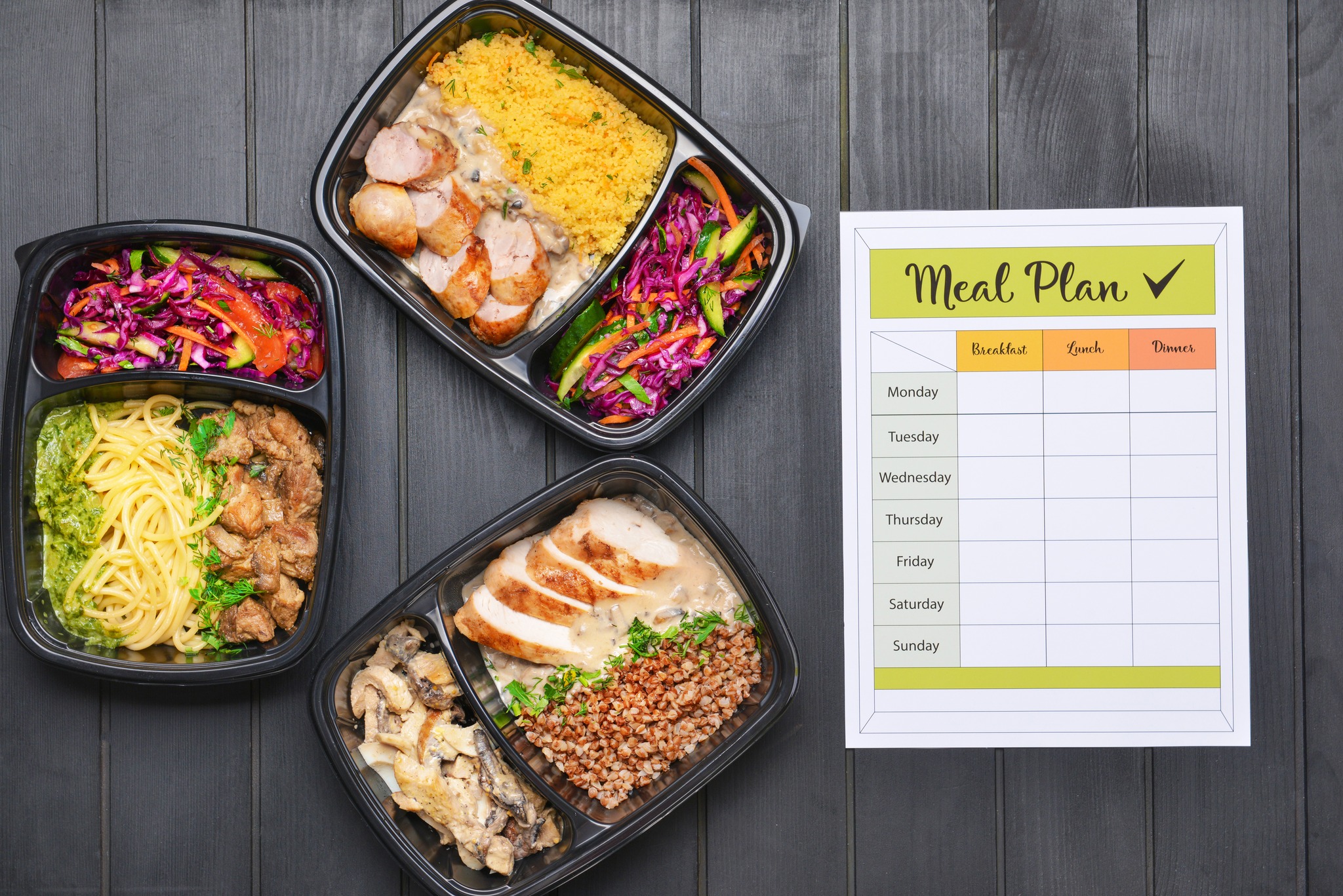
Ready to simplify your fitness nutrition and take control of your health journey? Explore personalized meal plans and discover how to fuel your body the smart way today at Fresh Fitness Food. Let us help you stay on track with convenient, wholesome meals crafted to support every step of your meal planning checklist.
Frequently Asked Questions
How do I define my fitness goals for meal planning?
To define your fitness goals, assess what you want to achieve, such as losing weight, gaining muscle, or improving overall health. Break down your ultimate vision into specific, measurable targets, like losing 15 pounds or gaining 10 pounds of lean muscle over the next three months.
What steps should I take to calculate my daily calorie and macro needs?
Start by considering your age, gender, weight, height, and activity level. Use these factors to determine your basal metabolic rate and total daily energy expenditure, helping you establish precise calorie and macronutrient targets for your fitness goals.
What are some tips for choosing fresh, whole food ingredients?
Prioritize minimally processed foods that are close to their natural state, including fresh vegetables, lean proteins, and whole grains. Focus your grocery shopping on whole food categories, such as fruits, vegetables, and legumes, to ensure that your meals are nutrient-dense and health-promoting.
How can I create balanced meals with nutrient variety?
Structure your meals to include a mix of colorful vegetables, lean proteins, and whole grains, filling half your plate with fruits and veggies. Experiment with different food sources and colors each week to ensure you’re receiving a comprehensive array of essential nutrients.
What is the best way to schedule my meal times for optimal energy?
Aim to eat balanced meals every 3 to 4 hours to maintain steady energy levels and prevent crashes. Start your day with a nutritious breakfast within one hour of waking to kickstart your metabolism, and maintain this schedule consistently for best results.
How do I track progress and adjust my meal strategy?
Monitor your progress every 4 to 6 weeks using metrics such as body composition changes and energy levels. Be prepared to modify your caloric intake and macronutrient ratios based on your evolving fitness goals and performance, ensuring continued alignment with your nutrition strategy.