

7 Essential Steps for a Fitness Nutrition Checklist
Rushing between meetings and gym sessions in Bucharest can leave even the most health-conscious professional searching for fast solutions. Over 60% of busy people admit they struggle to eat balanced meals that fit both vegan and keto lifestyles while managing weight and gaining muscle. Learning how to adapt tried-and-true American nutrition strategies to your own needs will help you fuel up quickly, stay satisfied, and reach your fitness goals without sacrificing convenience or taste.
Table of Contents
- 1. Assess Your Daily Calorie and Macro Needs
- 2. Choose The Right Meal Timing For Your Goals
- 3. Prioritize High-Quality Protein Sources
- 4. Include A Variety Of Colorful Vegetables
- 5. Incorporate Healthy Fats Smartly
- 6. Plan Quick, Balanced Snacks And Meals
- 7. Stay Hydrated And Limit Sugary Drinks
Quick Summary
| Key Insight | Explanation |
|---|---|
| 1. Calculate Your Caloric Needs | Determine your Total Daily Energy Expenditure to guide your nutrition strategy efficiently. |
| 2. Focus on Meal Timing | Strategically plan your meals around workouts to enhance energy and recovery. |
| 3. Choose Quality Protein Sources | Prioritize high-quality protein to support muscle growth and recovery effectively. |
| 4. Diversify Vegetable Intake | Include various colorful vegetables to maximize nutrient and antioxidant benefits. |
| 5. Stay Hydrated, Limit Sugary Drinks | Drink plenty of water and minimize sugary beverages to support overall health. |
1. Assess Your Daily Calorie and Macro Needs
Understanding your daily calorie and macronutrient requirements is the foundational first step in creating a personalized nutrition strategy that supports your fitness goals. Your body’s energy needs are unique, influenced by factors like age, gender, weight, muscle mass, and activity level.
To effectively determine your nutritional needs, you’ll want to start by calculating your Total Daily Energy Expenditure (TDEE), which represents the total number of calories your body burns in a day. The National Institutes of Health provides comprehensive dietary reference guidelines to help you understand baseline nutritional requirements.
Typically, macronutrient recommendations break down as follows:
- Protein: 10-35% of total daily calories
- Carbohydrates: 45-65% of total daily calories
- Fats: 20-35% of total daily calories
These ranges can shift depending on specific fitness objectives like muscle gain, weight loss, or athletic performance. For instance, someone looking to build muscle might aim for a higher protein percentage, while an endurance athlete might require more carbohydrates.
To calculate your specific needs, use online calculators or consult with a registered dietitian who can provide personalized recommendations based on your individual body composition and health goals.
Pro tip: Track your food intake for one week using a nutrition app to get an accurate baseline of your current macro consumption before making adjustments.
2. Choose the Right Meal Timing for Your Goals
Meal timing is more than just scheduling your food intake it is a strategic approach to optimizing your body’s metabolic performance and supporting your fitness objectives. Understanding how and when you eat can significantly impact your energy levels, muscle growth, and overall nutritional effectiveness.
Research demonstrates that meal timing directly influences metabolic health with profound implications for weight management and performance. Your body’s hormonal and metabolic responses vary throughout the day, making strategic meal planning crucial for achieving fitness goals.
Key Meal Timing Strategies:
- Pre Workout: Consume easily digestible carbohydrates and protein 30 60 minutes before exercise
- Post Workout: Eat protein and carbohydrates within 45 minutes after training to support muscle recovery
- Breakfast: Prioritize protein rich meals to kickstart metabolism
- Evening Meals: Reduce carbohydrate intake and focus on lean proteins
A systematic review of nutritional trials revealed that time restricted eating and consuming more calories earlier in the day can significantly improve metabolic outcomes. This approach aligns meal consumption with your body’s natural circadian rhythms, potentially enhancing weight management and overall health.
Pro tip: Experiment with meal timing by tracking your energy levels and performance to find the optimal eating schedule that works best for your individual metabolism and fitness goals.
3. Prioritize High-Quality Protein Sources
Protein is the fundamental building block for muscle growth, recovery, and overall metabolic health. Understanding and selecting high-quality protein sources can dramatically transform your fitness nutrition strategy.
Protein quality depends on amino acid composition and digestibility, making it crucial to choose sources that provide complete nutritional profiles. Not all proteins are created equal some offer superior benefits for muscle synthesis and recovery.
High Quality Protein Sources:
- Animal Proteins: Lean chicken, turkey, fish, egg whites
- Dairy Proteins: Greek yogurt, cottage cheese, whey protein
- Plant Proteins: Quinoa, tempeh, lentils, chickpeas
- Complete Plant Protein Combinations: Rice and beans, hummus with whole grain bread
Research indicates that protein complementarity across dietary sources ensures you receive all essential amino acids. This means combining different protein sources can help you meet your nutritional requirements more effectively.
Protein Quality Considerations:
- Digestibility
- Essential amino acid profile
- Protein concentration
- Bioavailability
Pro tip: Aim to consume protein from varied sources throughout the day to maximize amino acid absorption and support muscle protein synthesis.
4. Include a Variety of Colorful Vegetables
Vegetables are nutritional powerhouses that do far more than simply fill your plate they are complex biochemical systems packed with protective compounds that can transform your health and fitness performance. Bioactive pigments in vegetables offer remarkable health benefits that go beyond basic nutrition.
Color Categories and Their Benefits:
- Red Vegetables: Lycopene rich tomatoes and red peppers support heart health
- Green Vegetables: Chlorophyll packed spinach and kale boost cellular recovery
- Orange Vegetables: Beta carotene in carrots and sweet potatoes enhance immune function
- Purple Vegetables: Anthocyanin rich beets and eggplants provide potent antioxidants
Diverse vegetable pigments provide critical phytochemicals that combat inflammation and support overall metabolic health. Each color represents a different set of protective compounds that work synergistically to optimize your body’s performance.
Aim to include at least 3 different colored vegetables in each meal to maximize nutritional diversity and ensure a broad spectrum of micronutrients and antioxidants.
Pro tip: Try a weekly “rainbow challenge” where you intentionally choose vegetables from different color groups to maximize your nutritional intake and keep meals exciting.
5. Incorporate Healthy Fats Smartly
Fat is not the enemy many people believe it to be. In fact, strategic fat consumption plays a critical role in supporting metabolic health, hormone production, and overall fitness performance. Lipid quality significantly impacts cardiovascular health making it crucial to understand which fats to embrace and which to avoid.
Healthy Fat Categories:
- Monounsaturated Fats: Olive oil, avocados, almonds
- Polyunsaturated Fats: Salmon, chia seeds, walnuts
- Omega 3 Fatty Acids: Fatty fish, flaxseeds, sardines
Dietary fat recommendations emphasize unsaturated sources that support heart health and reduce inflammation. The key is selecting high quality fats that provide nutritional benefits without compromising your fitness goals.
Fat Consumption Guidelines:
- Limit saturated fat intake to less than 10% of daily calories
- Choose plant based and marine sourced fats
- Avoid processed and trans fat sources
- Integrate healthy fats into every meal for balanced nutrition
Aim to consume approximately 20 35% of your daily calories from healthy fat sources to support optimal metabolic function and nutrient absorption.
Pro tip: Store nuts and seeds in opaque containers in a cool dark place to preserve their nutritional integrity and prevent oxidation.
6. Plan Quick, Balanced Snacks and Meals
Meal and snack planning is your secret weapon for maintaining consistent nutrition without sacrificing time or health goals. Efficient meal preparation supports sustainable dietary habits and helps you stay on track with your fitness objectives.
Balanced Meal and Snack Components:
- Protein: Lean meats, Greek yogurt, protein shakes
- Complex Carbohydrates: Whole grains, sweet potatoes, quinoa
- Healthy Fats: Nuts, seeds, avocado, olive oil
- Fiber: Vegetables, fruits, legumes
Quick Meal Prep Strategies:
- Batch cook proteins on weekends
- Prepare vegetable containers for easy grab and go
- Use slow cookers or instant pots for efficient cooking
- Stock freezer with portion controlled meals
Nutrition experts recommend balancing meals to maintain consistent energy and support metabolic health. The goal is creating nutrient dense options that can be prepared quickly and eaten conveniently.
Aim for snacks and meals that combine at least three macronutrient groups to ensure sustained energy and optimal nutrition.
Pro tip: Invest in high quality meal prep containers with compartments to help portion and separate different food groups for easy, balanced eating.
7. Stay Hydrated and Limit Sugary Drinks
Hydration is far more than just drinking water it is a critical component of your fitness and nutrition strategy. Global health policies emphasize water consumption as a key factor in preventing obesity and maintaining metabolic health.
Beverage Hierarchy:
- Best Choices: Water, unsweetened tea, black coffee
- Moderate Choices: Low fat milk, herbal teas
- Limited Choices: Fruit juices, sports drinks
- Avoid: Sugary sodas, energy drinks, sweetened beverages
The Harvard Beverage Guidance Panel recommends prioritizing water intake as the most effective hydration strategy. Sugary drinks not only add empty calories but can significantly disrupt your metabolic health and fitness goals.
Daily Hydration Guidelines:
- Consume 8 10 glasses of water daily
- Drink water before meals to support metabolism
- Replace sugary drinks with water or herbal tea
- Monitor urine color as a hydration indicator
Track your liquid calorie intake and aim to replace at least one sugary beverage per day with water or unsweetened alternatives.
Pro tip: Invest in a large reusable water bottle with time markers to help you consistently track and meet your daily hydration goals.
Below is a comprehensive summary table presenting the key strategies and insights discussed throughout the article regarding personalized nutrition and fitness optimization.
| Topic | Overview | Details |
|---|---|---|
| Assessing Caloric and Macronutrient Needs | Calculate energy and nutrient requirements for tailored nutrition. | Use TDEE calculators and adjust macros based on goals like muscle gain or weight loss. |
| Optimizing Meal Timing | Schedule meals to enhance metabolic and exercise outcomes. | Time meals around workouts, prioritize protein-rich breakfasts, and align caloric intake with circadian rhythms. |
| Including High-Quality Protein Sources | Select proteins for muscle recovery and metabolic health. | Combine various sources like lean meats, dairy, and plant-based proteins for a complete amino acid profile. |
| Adding Colorful Vegetables | Enhance nutrition with diverse vegetables high in phytonutrients. | Incorporate a minimum of three different vegetable colors per meal for a broad spectrum of benefits. |
| Selecting Healthy Fats | Integrate beneficial fats for cardiovascular and metabolic health. | Focus on unsaturated fats from sources like fish, nuts, and olive oil, avoiding trans fats. |
| Managing Meals and Snacks | Plan balanced and efficient food options to maintain consistency. | Prepare protein, complex carb, and fiber-rich meals/snacks using batch-cooking techniques. |
| Maintaining Hydration | Prioritize water and limit sugary beverages for health. | Aim for 8-10 water glasses daily, replacing sugary drinks with alternatives like unsweetened teas. |
Take Control of Your Fitness Nutrition Today
Struggling to balance your daily calorie needs, meal timing, and protein quality while keeping up with a busy lifestyle can feel overwhelming. This article highlights key challenges like calculating macros, optimizing meal timing, and prioritizing nutrient-rich foods — all essential steps to reach your fitness goals efficiently. If you want to simplify these complex steps and avoid spending time on meal prep without sacrificing quality, we have the perfect solution for you.
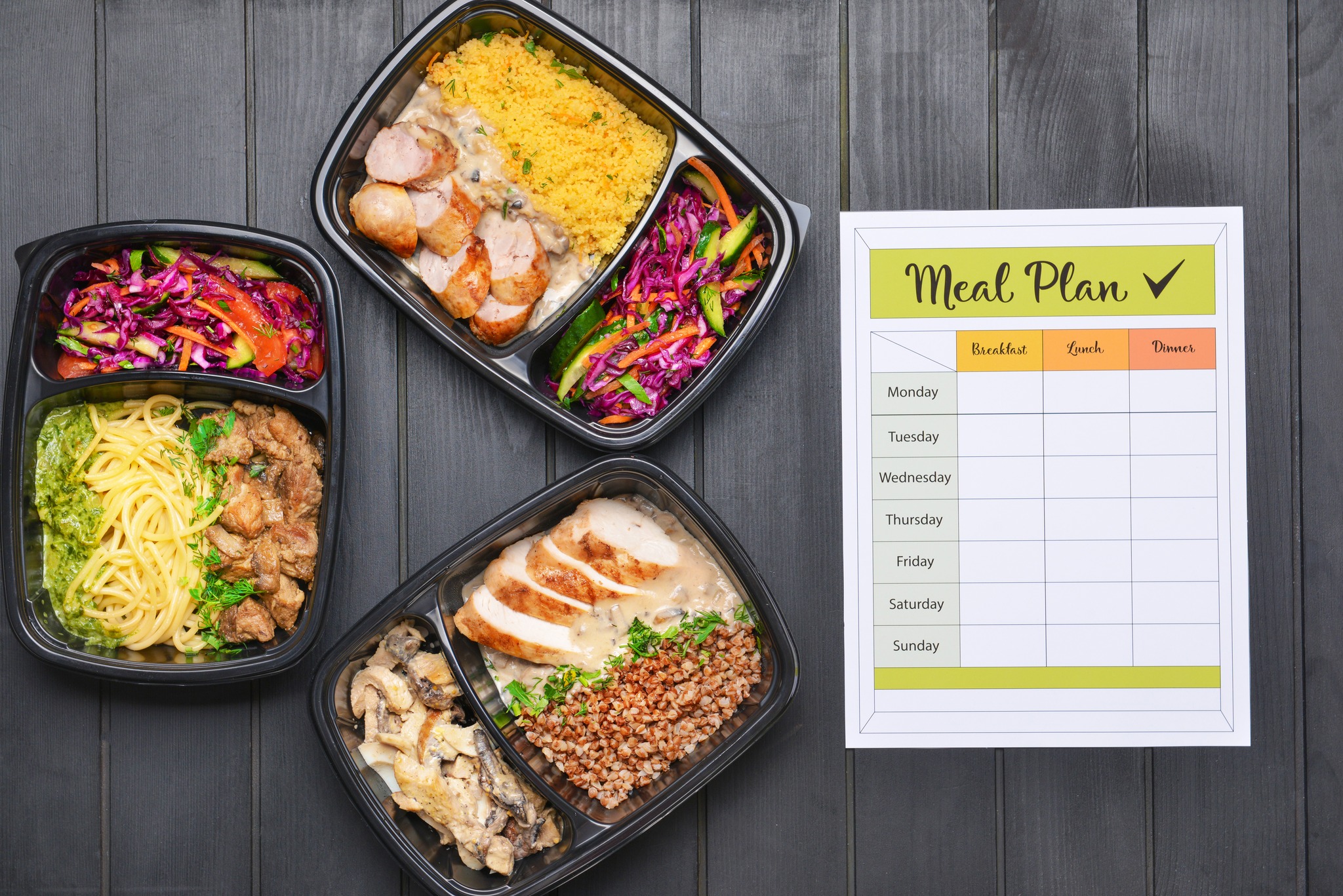
Discover how Fresh Fitness Food can transform your nutrition journey with fresh, personalized meal plans tailored to your specific fitness objectives like weight loss, muscle gain, or keto. Our macro-balanced menus, rich in high-quality proteins and colorful vegetables, help you follow your fitness nutrition checklist effortlessly. Ready to fuel your workouts and boost your recovery with convenience and expert support? Visit Fresh Fitness Food now and take the first step toward nutrition made simple and effective. Your personalized healthy lifestyle starts here.
Frequently Asked Questions
How can I assess my daily calorie and macro needs for fitness?
To assess your daily calorie and macronutrient needs, calculate your Total Daily Energy Expenditure (TDEE). Use an online calculator or consult a registered dietitian to determine your specific calorie and macro requirements based on your age, gender, weight, and activity level.
What is the best meal timing strategy for supporting fitness goals?
The best meal timing strategy includes consuming easily digestible carbohydrates and protein pre-workout and prioritizing protein and carbs for recovery post-workout. Experiment with meal timings to identify what enhances your energy and performance during your workouts.
What are high-quality protein sources I should include in my nutrition plan?
Include high-quality protein sources like lean meats, fish, Greek yogurt, legumes, and quinoa in your nutrition plan. Aim to consume a variety of these proteins throughout the day to maximize your amino acid intake and support muscle growth.
How can I incorporate a variety of vegetables into my meals effectively?
Incorporate a variety of colorful vegetables by including at least three different colored vegetables in each meal. This ensures a broad range of micronutrients and antioxidants, which are vital for overall health and fitness performance.
What should I focus on when including healthy fats in my diet?
When including healthy fats in your diet, focus on sources like olive oil, avocados, and fatty fish. Aim to consume 20-35% of your daily calories from these healthy fats to support metabolic function and nutrient absorption.
What are some quick meal and snack planning tips to maintain nutrition?
For quick meal and snack planning, prepare balanced meals that include proteins, complex carbohydrates, and healthy fats. Batch cook proteins in advance and stock your pantry with nutritious snacks to ensure you can easily maintain consistent nutrition.