

Vegetarian Meal Prep Basics for Healthy Living
Late office hours and unpredictable schedules can leave health-conscious professionals in Bucuresti searching for quick yet nutritious meal solutions that do not compromise their wellness goals. Planning vegetarian meals requires more than just skipping animal products—it involves thoughtfully combining plant-based proteins and balancing nutrients for optimal energy. Discover how a vegetarian meal prep strategy can streamline your routines and help you stay fueled, organized, and on track with your fitness objectives, all while saving precious time.
Table of Contents
- Defining Vegetarian Meal Prep Strategy
- Essential Plant-Based Protein Sources
- Time-Saving Prep Techniques For Busy Days
- Achieving Balanced Nutrition With Meal Prep
- Avoiding Common Pitfalls And Mistakes
Key Takeaways
| Point | Details |
|---|---|
| Vegetarian Meal Prep Strategy | A systematic approach to planning and preparing plant-based meals that meet nutritional needs through diverse protein sources and ingredient combinations. |
| Plant-Based Protein Diversity | Incorporating a variety of plant proteins ensures complete amino acid profiles and prevents nutritional monotony. |
| Efficient Meal Prep Techniques | Utilizing batch cooking, kitchen organization, and technology can significantly reduce preparation time while maximizing nutritional quality. |
| Nutritional Planning and Awareness | Attention to critical nutrients like Vitamin B12, iron, and omega-3 fatty acids is essential to prevent deficiencies in a vegetarian diet. |
Defining Vegetarian Meal Prep Strategy
A vegetarian meal prep strategy represents a systematic approach to planning, preparing, and organizing plant-based meals that deliver comprehensive nutritional needs while supporting an active lifestyle. Unlike traditional meal planning, vegetarian strategies require careful consideration of protein sources, nutrient balance, and dietary diversity.
The core objective of vegetarian meal prep involves creating nutritionally adequate dietary patterns that meet all essential nutritional requirements through strategic plant-based ingredient selection. This means intentionally combining protein sources like legumes, tofu, tempeh, and whole grains to ensure complete amino acid profiles and optimal nutrient absorption.
Effective vegetarian meal prep strategies typically involve several key components: protein diversity, macro and micronutrient balance, batch cooking, strategic ingredient selection, and advanced meal storage techniques. Urban professionals need flexible approaches that minimize daily cooking time while maximizing nutritional density. This might include preparing versatile base ingredients like quinoa, roasted vegetables, and plant-based proteins that can be mixed and matched throughout the week.
Nutritional planning becomes critical in vegetarian meal preparation. Diverse plant protein sources must be carefully combined to create complete protein profiles, ensuring adequate intake of essential amino acids, iron, vitamin B12, zinc, and omega-3 fatty acids typically found in animal products.
Pro tip: Invest in high-quality, leak-proof glass containers with compartments to streamline your vegetarian meal prep and keep ingredients fresh and separately stored.
Essential Plant-Based Protein Sources
Plant-based proteins are the cornerstone of a nutritionally complete vegetarian meal prep strategy, offering diverse options for meeting daily protein requirements while supporting overall health and fitness goals. Understanding the range and nutritional profile of these protein sources becomes critical for urban professionals seeking balanced dietary approaches.
The USDA recommends several protein-rich vegetarian food sources, including legumes, nuts, seeds, and soy products. Each category brings unique nutritional benefits. Legumes like black beans, lentils, and chickpeas provide substantial protein alongside complex carbohydrates and fiber. Nuts and seeds offer protein combined with healthy fats, while soy products such as tofu and tempeh deliver complete protein profiles comparable to animal-based options.
To maximize protein intake, vegetarian meal preppers should focus on protein combination strategies. This means mixing different plant protein sources to create complete amino acid profiles. For example, combining beans with whole grains like quinoa or brown rice can create a protein combination that delivers all essential amino acids. Protein diversity also helps prevent nutritional monotony and ensures a broader spectrum of micronutrients.
Nutritional experts recommend consuming approximately 0.8 grams of protein per kilogram of body weight daily, with athletes and active professionals potentially requiring higher amounts. Strategic meal prep can help meet these requirements through carefully planned protein-rich ingredients like edamame, seitan, nutritional yeast, and protein-fortified plant milks. These options not only provide protein but also contribute essential vitamins and minerals typically found in animal products.

Here’s a quick reference comparing key plant-based protein sources and their nutritional highlights:
| Protein Source | Protein per 100g | Unique Nutrients | Complete Protein |
|---|---|---|---|
| Lentils | 9g | Iron, Folate, Fiber | No |
| Tofu | 8g | Calcium, Isoflavones | Yes |
| Chickpeas | 7g | Zinc, Magnesium, Fiber | No |
| Quinoa | 4g | Magnesium, All Amino Acids | Yes |
| Edamame | 11g | Vitamin K, Folate | Yes |
| Seitan | 25g | Selenium, Low Fat | Yes |
| Almonds | 21g | Vitamin E, Healthy Fats | No |
| Tempeh | 19g | Iron, Probiotics | Yes |
Pro tip: Create a weekly protein rotation featuring different plant-based sources to ensure nutritional variety and prevent taste fatigue.
Time-Saving Prep Techniques for Busy Days
Successful vegetarian meal preparation for busy professionals requires strategic planning and efficient techniques that minimize time spent in the kitchen while maximizing nutritional quality. Understanding how to streamline your cooking process can transform meal prep from a time-consuming chore into a quick, manageable weekly routine.
Mastering efficient meal preparation strategies involves several key approaches. Batch cooking stands out as a primary technique, where multiple portions of staple ingredients are prepared simultaneously. This might include cooking large batches of quinoa, roasted vegetables, and plant-based proteins that can be mixed and matched throughout the week. Urban professionals can dedicate 2-3 hours on weekends to preparing base ingredients, dramatically reducing daily cooking time.
Kitchen organization plays a critical role in meal prep efficiency. Implementing smart storage solutions like clear, stackable containers, labeling systems, and designated prep zones can significantly reduce time spent searching for ingredients or tools. Developing a consistent mise en place approach means gathering and prepping all ingredients before cooking, which streamlines the entire preparation process and reduces mental clutter during meal creation.
Technological tools can also enhance meal prep productivity. Investing in time-saving kitchen appliances like instant pots, food processors, and high-quality chef’s knives can cut preparation time dramatically. Meal planning apps and digital calendars can help track ingredient inventories, plan meals in advance, and create systematic shopping lists that prevent last-minute grocery runs and reduce overall time investment.
Pro tip: Dedicate one evening each week to comprehensive meal planning and ingredient prep to transform your entire approach to vegetarian cooking.
Achieving Balanced Nutrition with Meal Prep
Balanced nutrition in vegetarian meal preparation requires strategic planning and comprehensive understanding of nutrient requirements. Urban professionals seeking optimal health must approach meal prep with a holistic perspective that goes beyond simply avoiding animal products and focuses on creating nutritionally complete plant-based meals.
Research demonstrates that well-planned vegetarian diets can significantly reduce risks of chronic diseases while providing comprehensive nutritional benefits. The key lies in intentional food selection and combination. This means carefully addressing potential nutrient gaps common in vegetarian diets, such as vitamin B12, vitamin D, calcium, iron, and complete protein profiles through thoughtful ingredient combinations and supplementation strategies.
Dietary guidelines recommend creating meal prep plans that incorporate diverse plant-based food groups. This includes combining legumes with whole grains to create complete proteins, integrating nuts and seeds for healthy fats and micronutrients, and ensuring abundant servings of colorful vegetables and fruits. Strategic meal preppers should focus on nutrient density, selecting ingredients that provide maximum nutritional value per serving and creating meal combinations that offer comprehensive micronutrient profiles.
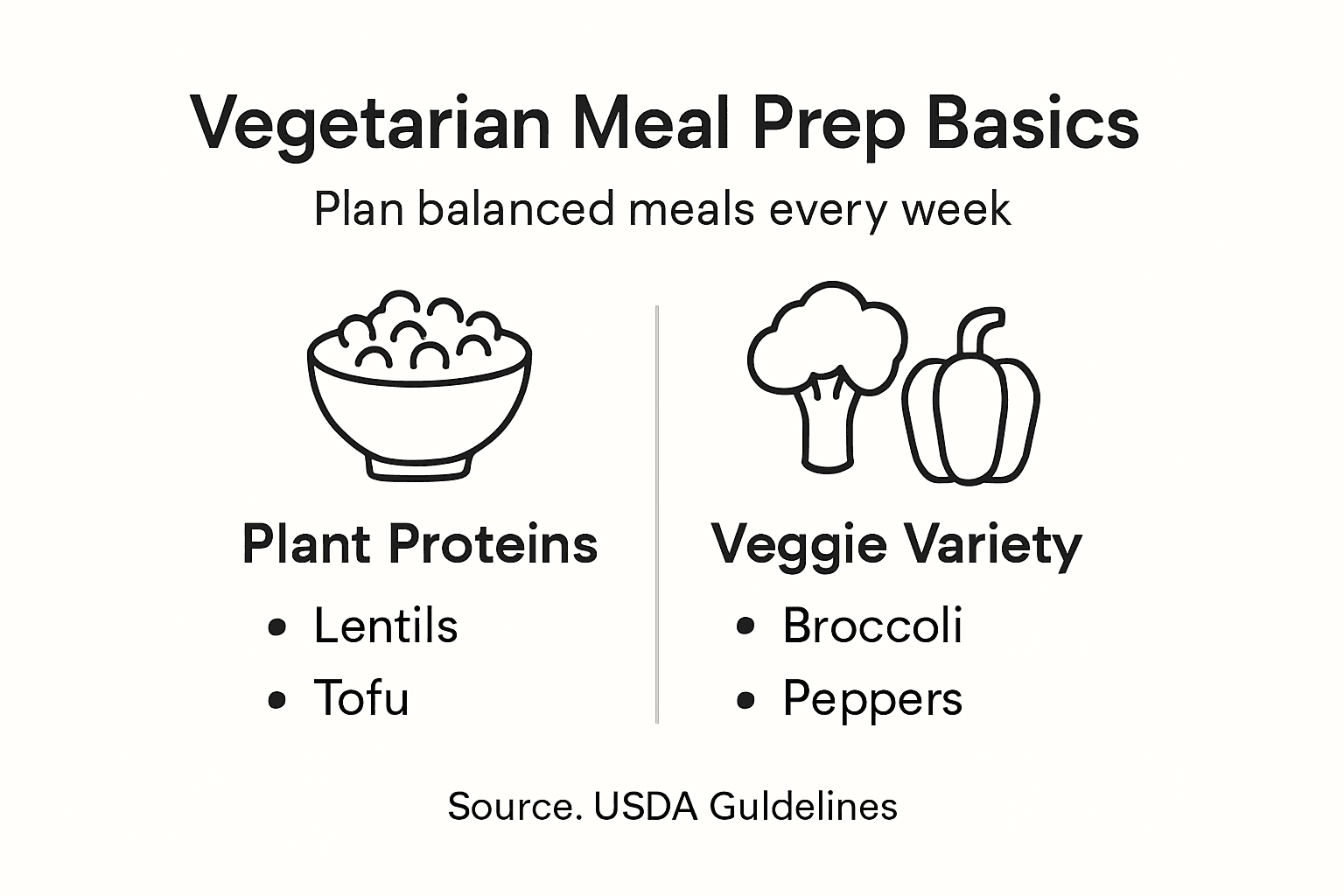
Nutrition experts emphasize the importance of variety and intentional food pairings. For instance, combining vitamin C-rich foods with iron-containing plant sources can dramatically improve iron absorption. Similarly, including fortified plant milks, nutritional yeast, and strategically chosen supplements can help vegetarians meet nutritional requirements that might be challenging to obtain from plant sources alone. The goal is creating a sustainable, enjoyable eating approach that supports long-term health and fitness objectives.
Pro tip: Create a weekly meal rotation that intentionally incorporates nutrient-diverse ingredients to prevent potential nutritional monotony and ensure comprehensive dietary coverage.
Avoiding Common Pitfalls and Mistakes
Vegetarian meal preparation demands precision and strategic planning to prevent potential nutritional vulnerabilities. Professionals transitioning to plant-based diets often encounter common challenges that can compromise their health and dietary goals if not addressed proactively.
Vegetarian nutrition strategies require careful attention to nutrient diversity and potential deficiency risks. The most prevalent mistakes include insufficient protein intake, neglecting micronutrient requirements, and failing to create balanced meal combinations. Urban professionals must recognize that simply eliminating animal products does not automatically ensure a nutritionally complete diet. Critical nutrients like vitamin B12, iron, calcium, and omega-3 fatty acids demand intentional dietary planning and potential supplementation.
Nutritional experts highlight several key areas where vegetarians frequently stumble. Protein quality remains a significant concern, with many individuals not understanding how to combine plant proteins to create complete amino acid profiles. Relying too heavily on processed vegetarian alternatives instead of whole food sources can lead to excessive sodium and refined carbohydrate consumption. Additionally, many new vegetarians struggle with meal monotony, creating repetitive eating patterns that limit nutritional variety and potentially compromise dietary satisfaction.
Successful vegetarian meal preparation requires a comprehensive approach that goes beyond simply removing animal products. This means developing a nuanced understanding of nutritional requirements, investing time in meal planning, and continuously educating oneself about plant-based nutrition. Strategic meal preppers should focus on creating diverse, colorful plates that incorporate multiple protein sources, abundant vegetables, whole grains, and carefully selected supplements to address potential nutritional gaps.
Below is a summary of essential nutrients vegetarians should track and effective meal prep strategies to address common deficiencies:
| Nutrient | Common Deficiency Risk | Best Dietary Sources | Prep Strategy |
|---|---|---|---|
| Vitamin B12 | High | Fortified plant milk, yeast | Use supplements and fortified foods |
| Iron | Moderate | Lentils, spinach | Pair with vitamin C-rich foods |
| Omega-3s | Moderate | Chia, flaxseed | Add seeds to meals often |
| Calcium | Moderate | Tofu, fortified drinks | Include calcium-rich items daily |
| Vitamin D | High | Fortified foods, sunlight | Supplement especially in winter |
| Zinc | Moderate | Chickpeas, nuts | Rotate beans and nuts weekly |
Pro tip: Conduct a quarterly nutritional assessment with a registered dietitian to identify and proactively address any emerging dietary deficiencies in your vegetarian meal plan.
Simplify Your Vegetarian Meal Prep and Stay Nourished Every Day
Creating a balanced vegetarian meal plan that meets all nutritional needs can feel overwhelming. From combining plant proteins for complete amino acid profiles to managing time-saving batch cooking techniques many busy professionals struggle with meal prep strategies that support their active lifestyles. If you find yourself concerned about avoiding common pitfalls like protein deficiency, missing key micronutrients, or meal monotony there is a better way to reach your health goals without spending hours in the kitchen.
Experience the ease of fresh, macro-balanced meals tailored to your vegetarian lifestyle with Fresh Fitness Food. We specialize in healthy, personalized meal solutions designed to deliver the nutrition you need for muscle gain, weight loss, or overall wellness all while saving you precious time. Combining thoughtfully prepared plant-based ingredients and expert guidance means you can enjoy diverse, nutrient-rich meals every day without the stress of planning or grocery shopping.
Discover how our tailored meals remove the guesswork from vegetarian nutrition and support your busy schedule.
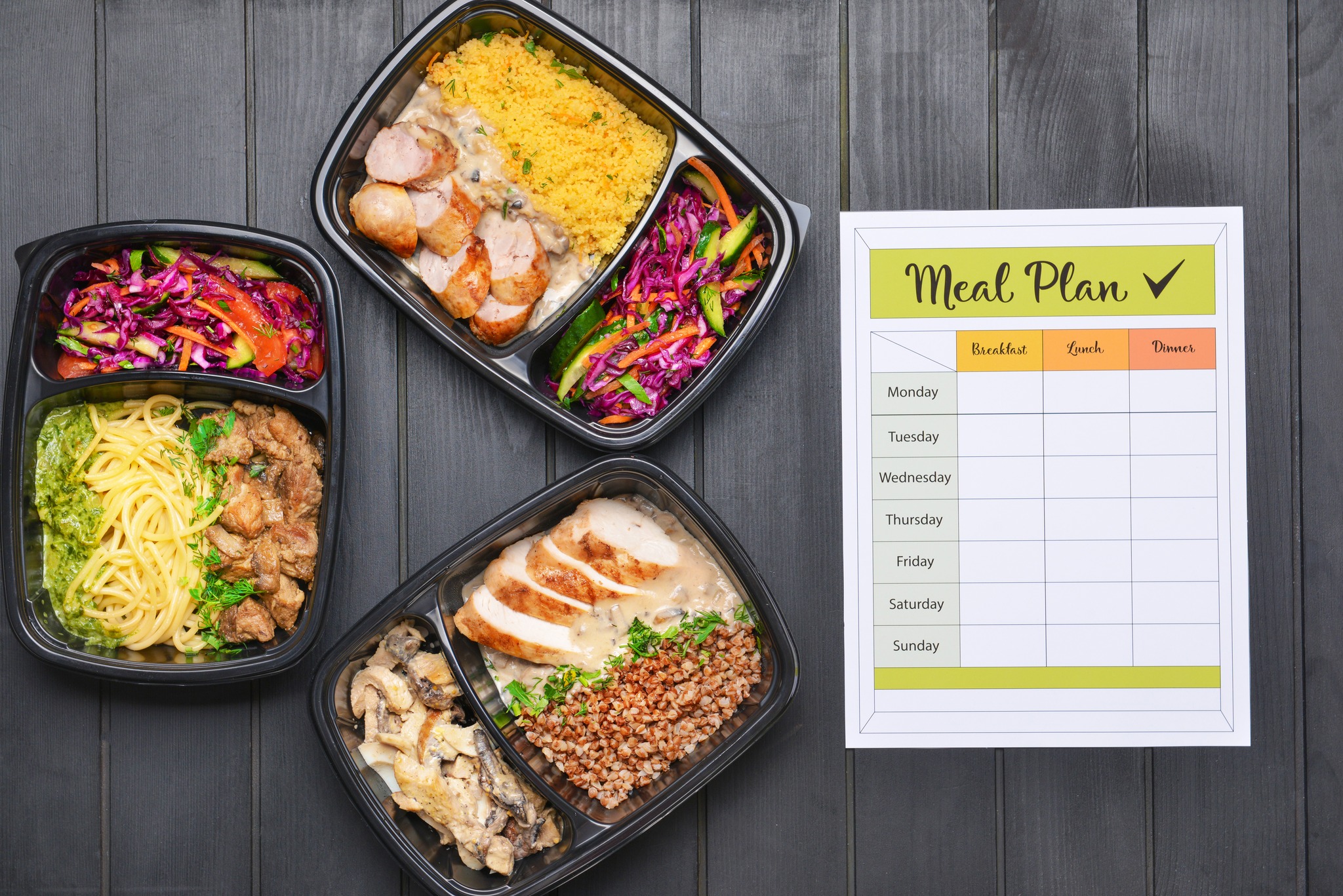
Stop worrying about meeting every nutrient requirement alone and start fueling your body the smart way. Visit Fresh Fitness Food now to explore customizable vegetarian plans and take the first step toward effortless healthy living.
Frequently Asked Questions
What are the best plant-based protein sources for vegetarians?
The best plant-based protein sources for vegetarians include legumes like lentils and chickpeas, soy products such as tofu and tempeh, nuts and seeds, and whole grains like quinoa. Combining these can help ensure a complete amino acid profile.
How can I plan my vegetarian meals to ensure balanced nutrition?
To ensure balanced nutrition in your vegetarian meals, incorporate a variety of food groups. Combine legumes with whole grains, include colorful vegetables and fruits, and integrate healthy fats from nuts and seeds. Consider supplements for nutrients like vitamin B12 and omega-3s.
What are effective time-saving techniques for meal prepping as a vegetarian?
Effective time-saving techniques for vegetarian meal prepping include batch cooking staple ingredients, organizing your kitchen with clear storage solutions, implementing mise en place, and using efficient kitchen tools like food processors and instant pots.
How can I avoid common nutritional deficiencies in a vegetarian diet?
To avoid common nutritional deficiencies, track essential nutrients like vitamin B12, iron, and omega-3s. Prioritize whole food sources, effectively combine proteins, and consider supplementation or fortified foods to ensure adequate intake of these nutrients.