

Vegan Fitness Meals: Boosting Performance Naturally
Most American diet trends miss the mark for athletes who demand both speed and substance in their meals. For health-conscious professionals in Bucharest, finding quick vegan fitness meal solutions that actually deliver results can feel challenging. With studies showing plant-based diets support athletic performance on par with traditional options, this guide reveals how smart vegan nutrition can help you maintain balance while keeping pace with your demanding schedule.
Table of Contents
- What Are Vegan Fitness Meals? Core Concepts
- Nutrient Density and Health Benefits Explained
- How Vegan Meals Support Athletic Performance
- Common Challenges and How to Overcome Them
- Comparing Vegan Fitness Meals to Alternatives
Key Takeaways
| Point | Details |
|---|---|
| Vegan Fitness Meals Enhance Performance | Well-planned vegan meals support athletic performance and recovery through strategic nutritional combinations of plant-based ingredients. |
| Nutrient Density is Key | These meals provide essential vitamins, minerals, and antioxidants, promoting overall health while reducing chronic disease risks. |
| Careful Nutritional Planning is Essential | Vegan athletes need to ensure complete protein intake and manage micronutrient levels through thoughtful meal planning and supplementation. |
| Comparison with Other Diets | Vegan fitness meals differ from omnivorous and flexitarian diets by avoiding animal products and focusing on nutrient density for improved health outcomes. |
What Are Vegan Fitness Meals? Core Concepts
Vegan fitness meals represent a strategic nutritional approach designed to support athletic performance using exclusively plant-based ingredients. These meals are carefully crafted to provide comprehensive nutrition that meets the high-energy demands of active individuals while adhering to plant-based dietary principles. Emerging research on vegan athlete nutrition demonstrates that well-planned vegan diets can effectively support exercise performance and recovery.
At their core, vegan fitness meals encompass whole food plant-based ingredients strategically combined to deliver essential macronutrients and micronutrients. These meals typically include protein-rich sources like legumes, tofu, tempeh, seitan, and plant protein powders, complex carbohydrates from whole grains, and healthy fats from nuts, seeds, and avocados. The goal is creating balanced nutrition that supports muscle development, energy production, and optimal physical performance without animal products.
Unlike traditional meal plans, vegan fitness meals require careful nutritional planning to ensure comprehensive nutrient intake. Vegan diets in sports and exercise highlight that athletes can achieve comparable performance levels by focusing on protein diversity, strategic supplementation, and whole food nutrient sources. Key nutritional considerations include obtaining complete proteins, managing vitamin B12 levels, ensuring adequate iron intake, and maintaining proper amino acid profiles.
Pro tip: Start incorporating diverse plant proteins like quinoa, lentils, and hemp seeds to create nutritionally complete vegan fitness meals that support your athletic performance and recovery.
Nutrient Density and Health Benefits Explained
Vegan fitness meals represent an exceptional nutritional strategy for enhancing overall health through nutrient-dense plant-based ingredients. Plant-based diets demonstrate remarkable health benefits by providing substantial quantities of essential vitamins, minerals, fiber, and protective phytochemicals while simultaneously reducing intake of saturated fats and inflammatory compounds.
The nutritional profile of vegan fitness meals goes beyond basic sustenance, offering targeted health advantages. Nutrient density in these meals comes from strategically combining whole foods like leafy greens, legumes, nuts, seeds, and whole grains. These ingredients provide comprehensive nutrition that supports cardiovascular health, metabolic function, and immune system resilience. Each component delivers specific micronutrients: spinach offers iron, quinoa provides complete proteins, chia seeds contribute omega-3 fatty acids, and berries pack powerful antioxidants.

Cardiometabolic health research confirms that well-constructed vegan diets can significantly reduce risks of chronic diseases including type 2 diabetes, hypertension, and cardiovascular conditions. However, athletes and fitness enthusiasts must approach vegan nutrition thoughtfully, ensuring balanced intake of critical nutrients like vitamin B12, iron, calcium, and complete protein sources. Strategic meal planning and potential targeted supplementation become essential for maintaining optimal performance and health.
Pro tip: Rotate diverse plant protein sources weekly to ensure comprehensive amino acid intake and prevent nutritional monotony in your vegan fitness meal plan.
Here’s a quick reference for nutrient-dense vegan fitness meal components:
| Ingredient | Primary Nutrient | Extra Benefit |
|---|---|---|
| Quinoa | Complete protein | High magnesium content |
| Lentils | Plant protein, iron | Excellent fiber source |
| Spinach | Iron, vitamin K | Supports cardiovascular health |
| Chia seeds | Omega-3 fatty acids | Antioxidant support |
How Vegan Meals Support Athletic Performance
Athletic performance on vegan diets demonstrates that plant-based nutrition can effectively support intense physical training when strategically approached. Contrary to traditional beliefs, vegan athletes can maintain strength, endurance, and recovery by carefully designing their nutritional intake to meet specific performance requirements. The key lies not in eliminating animal products, but in intelligent meal planning that addresses potential nutrient gaps.
Nutritional strategies for vegan athletes focus on comprehensive protein acquisition, energy balance, and micronutrient optimization. Protein synthesis becomes critical, requiring diverse plant protein sources like legumes, quinoa, tempeh, and pea protein isolates that provide complete amino acid profiles. These ingredients help muscle repair, growth, and recovery while delivering additional benefits such as anti-inflammatory compounds and complex carbohydrates that support sustained energy release during extended physical activities.
Plant-based performance research confirms that vegan diets can match omnivorous nutrition across strength, power, and endurance metrics. However, athletes must proactively manage potential nutritional challenges, including maintaining adequate levels of creatine, iron, vitamin B12, and omega-3 fatty acids. Strategic supplementation and thoughtful meal composition become essential for preventing performance limitations and supporting optimal physiological function.
Pro tip: Incorporate nutritional yeast, fortified plant milks, and algae-based omega-3 supplements to address common micronutrient challenges in vegan athletic nutrition.
Common Challenges and How to Overcome Them
Nutritional challenges in vegan fitness diets represent complex obstacles that require strategic and informed approaches. Vegan athletes must navigate potential nutrient deficiencies while maintaining optimal performance, understanding that simply eliminating animal products does not guarantee comprehensive nutrition. The most critical challenges center around protein quality, micronutrient absorption, and maintaining balanced energy metabolism.
Protein acquisition emerges as a fundamental concern, with plant-based sources presenting unique digestibility and amino acid profile complexities. Protein combining becomes essential, involving strategic integration of complementary plant proteins like legumes, grains, seeds, and nuts to create complete protein profiles. Protein quality research demonstrates that intentional dietary diversity can effectively overcome limitations in individual plant protein sources, ensuring athletes receive comprehensive amino acid requirements for muscle synthesis and recovery.
Micronutrient management requires a multifaceted approach, focusing on critical nutrients often challenging to obtain through plant-based diets. Key focus areas include vitamin B12, iron, calcium, omega-3 fatty acids, and iodine. Athletes must consider fortified foods, targeted supplementation, and precise meal planning to prevent potential deficiencies that could compromise athletic performance and overall health. Innovative strategies like biofortification and advanced food processing techniques are emerging to enhance nutrient density in plant-based nutrition.
Pro tip: Create a weekly meal rotation that intentionally mixes protein sources like quinoa, lentils, hemp seeds, and nutritional yeast to ensure comprehensive amino acid and micronutrient intake.
Comparing Vegan Fitness Meals to Alternatives
Comparative diet analyses reveal nuanced differences between dietary approaches, with vegan fitness meals standing out for their unique nutritional profile. Unlike omnivorous or flexitarian diets, vegan nutrition eliminates all animal products, focusing exclusively on plant-based ingredients that offer distinct metabolic and performance advantages. This approach demands more intentional nutritional planning but provides significant health and environmental benefits.
Nutritional composition varies significantly across dietary strategies. Nutrient density in vegan fitness meals typically features lower calorie concentrations coupled with higher fiber and phytochemical content compared to traditional omnivorous diets. Plant-based proteins from legumes, grains, and seeds offer comprehensive amino acid profiles when strategically combined, challenging the misconception that vegan diets inherently lack protein quality. Cardiovascular health research demonstrates that vegan diets can potentially reduce risks of chronic diseases like diabetes and heart conditions more effectively than alternative dietary approaches.
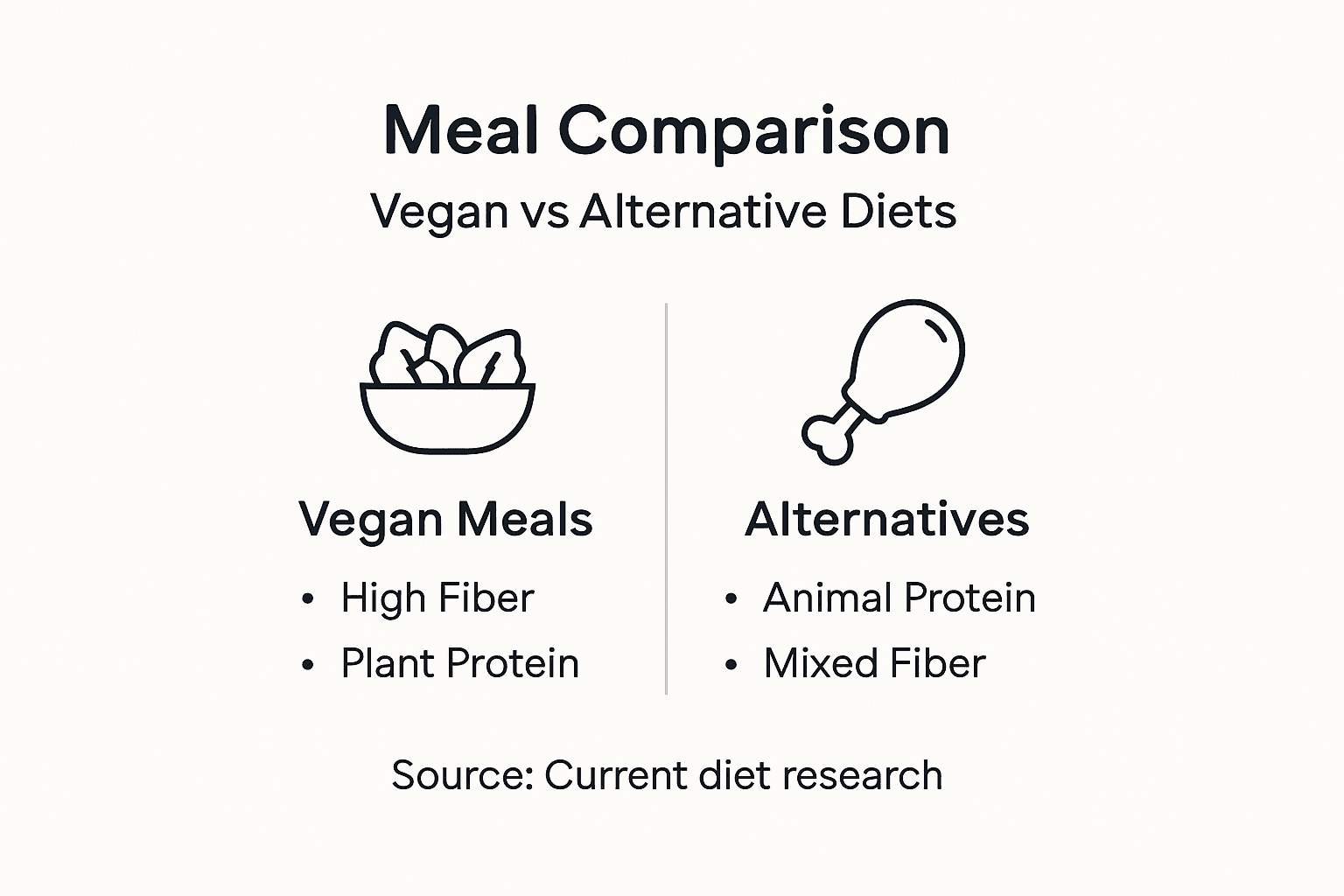
The primary distinctions emerge in nutrient acquisition and metabolic impact. Flexitarian and vegetarian diets allow some animal-derived proteins, providing different nutritional flexibility, while vegan fitness meals require more precise nutritional engineering. Supplementation becomes crucial for addressing potential micronutrient gaps, particularly vitamin B12, iron, and omega-3 fatty acids. Athletes choosing vegan nutrition must invest more time in meal planning and potentially incorporate targeted supplements to maintain optimal performance levels.
Here’s a concise overview comparing common fitness meal approaches:
| Diet Type | Protein Sources | Key Nutritional Focus | Typical Health Benefit |
|---|---|---|---|
| Vegan | Legumes, tofu, grains | Amino acid diversity, B12 | Lower chronic disease risk |
| Vegetarian | Dairy, eggs, plants | Calcium, iron, B12 | Good heart health |
| Flexitarian | Plants, some meat | Moderation, balanced intake | Flexible nutrient balance |
| Omnivorous | Animal, plant foods | Protein, iron, fat | Maximum food variety |
Pro tip: Conduct periodic nutritional assessments and blood tests to monitor micronutrient levels when transitioning to or maintaining a vegan fitness nutrition strategy.
Elevate Your Performance with Expertly Crafted Vegan Fitness Meals
Struggling to balance complete plant-based nutrition with your active lifestyle? The article highlights key challenges such as protein diversity, micronutrient intake, and meal planning needed to support muscle growth, endurance, and recovery. You do not have to face these obstacles alone. At Fresh Fitness Food, we specialize in providing personalized vegan fitness meals designed to deliver optimal amino acid profiles and essential nutrients like B12 and iron, tailored specifically for athletes and fitness enthusiasts.
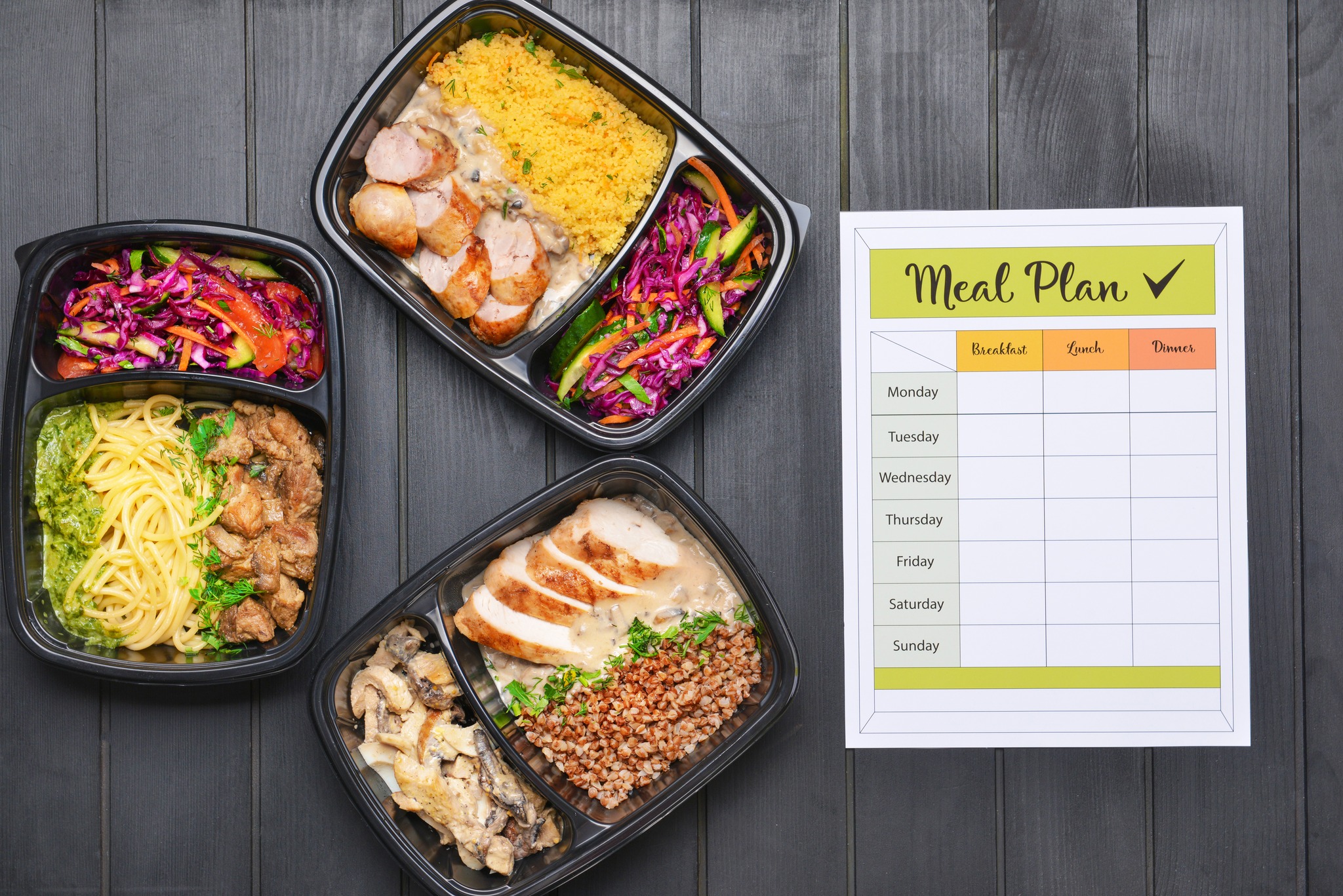
Take control of your health and performance today. Discover fresh, macro-balanced meals with trusted ingredients and expert nutrition guidance that make overcoming vegan fitness nutrition barriers effortless. Explore our fully customizable meal plans, nutritional coaching, and seamless delivery service at Fresh Fitness Food. Visit now and start powering your workouts naturally with every bite.
Frequently Asked Questions
What are vegan fitness meals?
Vegan fitness meals are strategically designed plant-based meals that provide essential nutrients to support athletic performance and recovery, focusing on whole food ingredients like legumes, whole grains, and healthy fats.
How can vegan meals support athletic performance?
Vegan meals can support athletic performance by offering complete proteins, complex carbohydrates, and key vitamins and minerals required for energy production, muscle repair, and overall health, enabling athletes to maintain strength and endurance during training.
What are the common nutritional challenges for vegan athletes?
Vegan athletes may face challenges like obtaining sufficient protein quality, vitamin B12, iron, and omega-3 fatty acids. It’s important to plan meals carefully and consider supplementation to address these potential gaps.
How do vegan fitness meals compare to omnivorous diets?
Vegan fitness meals typically have lower calorie density but higher fiber and micronutrient content compared to omnivorous diets. They require more intentional planning to ensure balanced nutrition without any animal products.