

7 Practical Examples of Fitness Meal Plans You Can Try
More than 60 percent of busy professionals in Bucharest say time limits their ability to maintain a healthy diet like their american counterparts. When juggling workouts, demanding schedules, or specific goals such as muscle gain or weight loss, finding simple meal plans becomes essential. This guide shows how tailored nutrition can help you meet fitness targets quickly whether you prefer keto, vegan, or balanced meals designed for fast results.
Table of Contents
- 1. Balanced Weight Loss Meal Plan Example
- 2. Sample Muscle Gain Meal Plan for Busy Days
- 3. Easy Vegan Fitness Meal Plan Template
- 4. Quick Keto Meal Plan for On-the-Go Professionals
- 5. Macro-Balanced Meal Plan for Active Lifestyles
- 6. Detox Meal Plan Example for a Fresh Start
- 7. Busy Day High-Protein Meal Plan Idea
Quick Summary
| Key Insight | Explanation |
|---|---|
| 1. Focus on Nutrient Density | Prioritize colorful vegetables, whole grains, and lean proteins to enhance nutrition while managing calorie intake. |
| 2. Practice Portion Control | Use smaller plates and measure servings to help create a calorie deficit without feeling deprived. |
| 3. Plan Balanced Meals | Structure meals to include proteins, carbohydrates, and healthy fats for sustained energy and better nutrition. |
| 4. Stay Hydrated | Drink enough water daily and before meals to control appetite and support metabolism. |
| 5. Prepare Meals in Advance | Batch cooking and meal prepping helps ensure nutritious options are available, making healthy eating easier. |
1. Balanced Weight Loss Meal Plan Example
A balanced weight loss meal plan is more than just reducing calories it is about creating sustainable nutrition that supports your body while helping you shed unwanted pounds. By strategically designing meals that provide essential nutrients, you can achieve weight loss without feeling deprived or exhausted.
The Healthy Eating Plate by Harvard offers an excellent framework for structuring weight loss meals. This approach emphasizes filling half your plate with vegetables and fruits, which provides high nutritional density while keeping calorie intake low. The remaining half should be divided equally between whole grains and lean protein sources.
When creating a balanced weight loss meal plan, focus on these key principles:
Nutrient Density
- Choose colorful vegetables and fruits
- Select whole grains over refined carbohydrates
- Opt for lean proteins like chicken, fish, and legumes
- Include healthy fats in moderate quantities
Portion Control
Measuring your food portions helps create a calorie deficit without extreme restrictions. Use smaller plates, measure ingredients, and be mindful of serving sizes. A typical balanced meal might include:
- 4 ounces of grilled chicken breast
- 1 cup of quinoa
- 2 cups of mixed vegetables
- 1 tablespoon of olive oil
Meal Timing
Spread your calories across 3 main meals and 1 2 small snacks. This approach helps maintain steady energy levels and prevents excessive hunger that can lead to overeating.
Hydration
Drink water before meals to help control appetite. Aim for 8 10 glasses of water daily, which supports metabolism and helps distinguish between hunger and thirst.
Pro tip: Prepare your meals in advance to ensure you always have nutritious options ready and reduce the temptation of unhealthy convenience foods.
2. Sample Muscle Gain Meal Plan for Busy Days
Building muscle requires strategic nutrition and smart meal planning, especially for professionals juggling demanding schedules. A well designed muscle gain meal plan can transform your fitness goals from challenging to achievable by providing targeted nutrition that supports muscle growth and recovery.
The muscle gain meal strategy emphasizes consistent protein intake throughout the day. This approach helps maximize muscle protein synthesis and maintain steady energy levels for busy individuals. Your goal is to consume balanced meals that provide high quality protein combined with complex carbohydrates and essential nutrients.
Key Meal Planning Principles
- Prioritize lean protein sources like chicken, beef, fish
- Include complex carbohydrates for sustained energy
- Incorporate vegetables for micronutrient support
- Plan meals that can be prepared quickly or prepped in advance
Sample Daily Meal Structure
-
Breakfast (600 calories)
- 4 egg whites with one whole egg
- Oatmeal with berries
- Greek yogurt
-
Mid Morning Snack (300 calories)
- Protein shake
- Handful of almonds
-
Lunch (600 calories)
- Grilled chicken breast
- Brown rice
- Steamed vegetables
-
Post Workout Meal (400 calories)
- Lean beef
- Sweet potato
- Mixed green salad
-
Dinner (500 calories)
- Salmon or turkey
- Quinoa
- Roasted vegetables
Meal Preparation Strategies
- Batch cook proteins on weekends
- Use slow cookers and instant pots
- Keep frozen vegetables and precooked proteins on hand
Macro Tracking
Aim for approximately 2200 2400 calories with a macro split of:
- 30% protein
- 40% carbohydrates
- 30% healthy fats
Pro tip: Invest in quality food storage containers and prepare multiple meals simultaneously to save time and maintain consistent nutrition throughout your busy week.
3. Easy Vegan Fitness Meal Plan Template
Designing an effective vegan fitness meal plan requires strategic nutrition planning that delivers complete protein sources and sustained energy. A well constructed vegan diet can support muscle growth, recovery, and overall athletic performance when approached thoughtfully.
The vegan nutrition guidelines emphasize selecting diverse plant proteins that provide comprehensive amino acid profiles. Your goal is creating meals that deliver balanced nutrition supporting both fitness objectives and overall health.
Essential Protein Sources
- Tofu
- Tempeh
- Lentils
- Chickpeas
- Quinoa
- Seitan
- Hemp seeds
- Nutritional yeast
Sample Daily Vegan Fitness Meal Plan
-
Breakfast (600 calories)
- Tofu scramble with spinach
- Whole grain toast
- Chia seed pudding
-
Morning Snack (250 calories)
- Protein smoothie
- Handful of almonds
-
Lunch (650 calories)
- Black bean quinoa bowl
- Roasted vegetables
- Avocado slices
-
Post Workout (350 calories)
- Plant based protein shake
- Fresh fruit
-
Dinner (550 calories)
- Tempeh stir fry
- Brown rice
- Steamed broccoli
Nutritional Considerations
- Track protein intake carefully
- Supplement vitamin B12
- Include iron rich foods
- Monitor zinc and omega 3 levels
Macro Breakdown
- 30% protein
- 45% complex carbohydrates
- 25% healthy plant fats
Budget Friendly Tips
Canned beans, frozen vegetables, and bulk grains can help manage food expenses while maintaining nutritional quality. Buying seasonal produce and planning meals in advance reduces overall costs.
Pro tip: Invest in a high quality plant based protein powder and meal prep containers to streamline your vegan fitness nutrition strategy.
4. Quick Keto Meal Plan for On-the-Go Professionals
Navigating a ketogenic diet while managing a demanding professional schedule requires strategic meal planning and smart nutrition choices. The modified ketogenic nutrition approach provides a flexible framework for busy individuals seeking sustainable low carb eating strategies.
Key Keto Principles for Professionals
- Prioritize high quality fats
- Select low carbohydrate vegetables
- Include moderate protein sources
- Focus on convenient meal preparation
Quick Meal Preparation Strategies
-
Breakfast Options (400 calories)
- Chia seed pudding with almond milk
- Egg muffins with spinach
- Greek yogurt with walnuts
-
Mid Morning Snack (250 calories)
- Protein shake with MCT oil
- Cheese cubes
- Macadamia nuts
-
Lunch (500 calories)
- Grilled chicken salad
- Avocado slices
- Olive oil dressing
-
Afternoon Snack (200 calories)
- Hard boiled eggs
- Cucumber with cream cheese
-
Dinner (450 calories)
- Salmon with asparagus
- Cauliflower rice
- Butter sauce
Macro Nutrient Breakdown
- 70% healthy fats
- 20% protein
- 10% net carbohydrates
Portable Keto Essentials
- Prepackaged protein shakes
- Nuts and seed packets
- Cheese sticks
- Electrolyte supplements
Hydration and Supplementation
- Drink 8 10 glasses of water
- Consider electrolyte replacement
- Track mineral intake
Pro tip: Invest in high quality meal prep containers and a portable cooler to maintain keto compliance during busy workdays.
5. Macro-Balanced Meal Plan for Active Lifestyles
A macro-balanced meal plan serves as the foundation for sustainable fitness and optimal performance, strategically combining nutrients to fuel your body efficiently. Nutritional guidelines for active individuals emphasize the importance of precise macro distribution to support energy levels and recovery.
Macro Balancing Fundamentals
- 40% complex carbohydrates
- 30% lean proteins
- 30% healthy fats
Sample Daily Macro Breakdown
-
Breakfast (500 calories)
- Egg white omelet
- Whole grain toast
- Avocado slices
- Mixed berries
-
Mid Morning Snack (250 calories)
- Greek yogurt
- Almonds
- Chia seeds
-
Lunch (600 calories)
- Grilled chicken breast
- Quinoa
- Roasted vegetables
- Olive oil dressing
-
Afternoon Snack (200 calories)
- Protein shake
- Apple
-
Dinner (450 calories)
- Wild caught salmon
- Sweet potato
- Steamed green vegetables
Macro Tracking Strategies
- Use nutrition tracking apps
- Measure food portions
- Learn to read nutrition labels
- Adjust portions based on activity level
Performance Nutrition Principles
- Eat within 30 minutes after workout
- Stay hydrated
- Consume whole unprocessed foods
- Include varied protein sources
Customization Tips
- Adjust macros based on fitness goals
- Consider individual metabolism
- Modify for muscle gain or fat loss
- Consult nutrition professionals
Pro tip: Invest in a digital food scale and macro tracking app to simplify your nutritional planning and ensure consistent macro balance.
6. Detox Meal Plan Example for a Fresh Start
A strategic detox meal plan offers a thoughtful approach to resetting your nutritional habits and supporting your body’s natural cleansing processes. Detoxification research highlights emphasize that effective renewal comes from balanced nutrition rather than extreme restrictions.
Core Detox Nutrition Principles
- Focus on whole unprocessed foods
- Maximize vegetable and fruit intake
- Stay consistently hydrated
- Support liver and kidney function
- Minimize processed food consumption
Sample 3 Day Detox Meal Plan
-
Breakfast (400 calories)
- Green smoothie with spinach
- Chia seeds
- Lemon water
-
Mid Morning Snack (200 calories)
- Fresh berries
- Raw almonds
-
Lunch (500 calories)
- Quinoa vegetable bowl
- Grilled chicken breast
- Herbal tea
-
Afternoon Snack (250 calories)
- Cucumber slices
- Hummus
- Green tea
-
Dinner (450 calories)
- Baked salmon
- Roasted Brussels sprouts
- Cauliflower rice
Hydration Strategy
- Drink 8 10 glasses of water daily
- Include herbal teas
- Consume water rich vegetables
Supportive Lifestyle Practices
- Get 7 9 hours of sleep
- Practice stress reduction techniques
- Light exercise like walking
- Avoid alcohol and caffeine
Supplement Considerations
- Milk thistle for liver support
- Probiotics for gut health
- Vitamin B complex
- Omega 3 supplements
Pro tip: Prepare your detox meals in advance and keep a water bottle with you to maintain consistent hydration and nutrition throughout your cleansing journey.
7. Busy Day High-Protein Meal Plan Idea
Maintaining high protein intake during chaotic work schedules requires strategic meal planning and smart nutritional choices. High protein nutrition strategies help professionals sustain energy and support muscle maintenance without compromising their demanding lifestyles.
Protein Intake Principles
- Aim for 20 30 grams per meal
- Include diverse protein sources
- Plan portable protein options
- Prioritize lean protein varieties
Quick High Protein Meal Structure
-
Breakfast (450 calories)
- Greek yogurt protein smoothie
- Hard boiled eggs
- Handful of almonds
-
Mid Morning Snack (250 calories)
- Protein shake
- Turkey roll ups
- String cheese
-
Lunch (500 calories)
- Grilled chicken breast
- Quinoa
- Mixed green salad
-
Afternoon Snack (200 calories)
- Cottage cheese
- Edamame
- Protein bar
-
Dinner (500 calories)
- Salmon
- Lentil side dish
- Roasted vegetables
Protein Source Variety
- Lean meats
- Fish
- Eggs
- Dairy products
- Plant based proteins
- Protein supplements
Meal Preparation Strategies
- Batch cook proteins
- Use slow cookers
- Keep frozen protein options
- Pack portable protein snacks
Performance Nutrition Goals
- Maintain muscle mass
- Support metabolic function
- Stabilize energy levels
- Enhance recovery
Pro tip: Invest in high quality meal prep containers and portable protein sources to ensure consistent nutrition during your busiest days.
Below is a comprehensive table summarizing various meal plan approaches to support different health and fitness goals as outlined in the article.
| Meal Plan Type | Key Features | Benefits |
|---|---|---|
| Balanced Weight Loss | Focus on nutrient density with lean protein, vegetables, and portion control. | Sustainable weight loss and enhanced energy levels. |
| Muscle Gain | Emphasis on consistent protein intake and complex carbohydrates. | Supports muscle growth and recovery. |
| Vegan Fitness | Inclusion of diverse plant proteins and careful nutrient tracking. | Achieves fitness goals with a plant-based approach. |
| Keto for Professionals | High fat, low carb meals with convenient preparation strategies. | Maintains ketosis while on a busy schedule. |
| Macro-Balanced | Strategic macro distribution tailored to active lifestyles. | Enhances energy and performance. |
| Detox for Renewal | Focus on natural, unprocessed foods and hydration. | Supports body cleansing and nutritional reset. |
| High-Protein Busy Day | Emphasizes portable protein-rich options for quick meals. | Sustains muscle and metabolic functions amidst a hectic schedule. |
Transform Your Fitness Goals with Personalized Meal Plans
Struggling to maintain consistent nutrition while juggling a busy lifestyle is a common challenge for fitness enthusiasts and professionals alike. Whether you need a balanced weight loss meal plan, a muscle gain strategy, or a quick keto solution, carefully planned meals rich in the right macros are essential for achieving your goals without feeling overwhelmed or deprived. This article highlights practical meal plan examples designed to keep your energy steady and your nutrition on point.
At Fresh Fitness Food, we understand these pain points and offer fresh, customized meal plans tailored specifically for your fitness journey. From vegan fitness templates to detox and high-protein options, our meals remove the hassle of prep work while ensuring you get exactly what your body needs. Experience the convenience of having healthy, macro-balanced meals delivered to your door—perfect for busy days when sticking to your nutrition feels impossible.
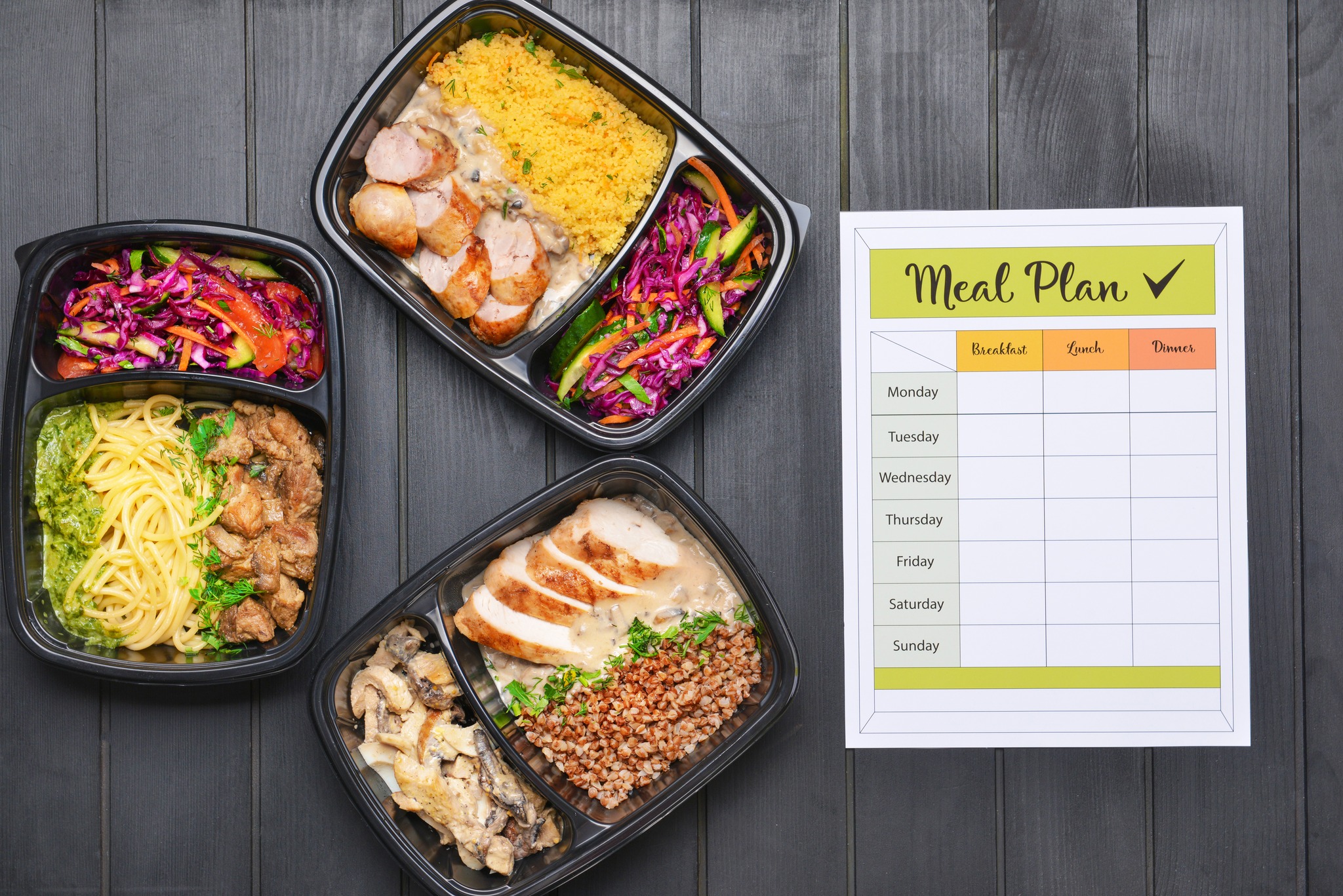
Ready to take control of your nutrition and fuel your fitness with ease? Explore our wide range of meal plans and embrace a healthier lifestyle today. Visit Fresh Fitness Food to start your personalized meal plan now and never miss a chance to nourish your body the right way.
Frequently Asked Questions
What are some examples of fitness meal plans for weight loss?
A balanced weight loss meal plan should include half your plate filled with vegetables and fruits, and the other half divided between whole grains and lean proteins. For instance, a typical meal might consist of 4 ounces of grilled chicken, 1 cup of quinoa, and 2 cups of mixed vegetables.
How can I create a muscle gain meal plan while managing a busy schedule?
To build muscle with a muscle gain meal plan, prioritize consistent protein intake throughout the day, with meals featuring lean proteins, complex carbohydrates, and vegetables. For a quick meal option, try a grilled chicken breast with brown rice and steamed vegetables.
What are the essential components of a vegan fitness meal plan?
A vegan fitness meal plan should focus on diverse plant protein sources like tofu, lentils, and quinoa, while ensuring balanced nutrition to support muscle growth. For a meal, you could prepare a black bean quinoa bowl with roasted vegetables and avocado slices.
How can I maintain a keto diet during busy workdays?
On a keto diet, prioritize high-quality fats and low-carb vegetables, and choose convenient meals. For example, a quick lunch could be a grilled chicken salad topped with avocado and olive oil dressing.
What should I consider when creating a detox meal plan?
A detox meal plan should emphasize whole, unprocessed foods, increasing vegetable and fruit intake, while staying hydrated. Begin your day with a green smoothie and include plenty of herbal teas throughout to refresh and cleanse your system.
How do I ensure high protein intake on hectic days?
To achieve high protein intake, plan meals that include at least 20-30 grams of protein per serving, using lean meats, dairy, and plant-based proteins. For instance, a meal could consist of a grilled chicken breast with quinoa and a side salad to keep your protein levels up throughout the day.