

7 Top Examples of Fitness-Friendly Foods for Busy Lives
Picking the right foods to support your fitness routine can feel confusing, especially with so many options available. You need ingredients that actually help fuel performance, aid muscle recovery, and keep energy levels steady all day. The key is knowing which foods provide real benefits backed by nutritional science instead of just hype.
This guide reveals specific foods proven to support muscle repair, long-lasting energy, and overall wellness. You’ll discover practical choices—like those with high-quality protein and unique fibers—that can directly impact your results. Keep reading to find out how these simple foods can transform your nutrition and help you reach your fitness goals faster.
Table of Contents
- Lean Chicken Breast For Muscle Support
- Oats For Long-Lasting Energy
- Greek Yogurt For Protein And Gut Health
- Quinoa As A Complete Protein Source
- Avocado For Healthy Fats And Satiety
- Salmon For Heart Health And Omega-3s
- Berries For Antioxidants And Recovery
Quick Summary
| Takeaway | Explanation |
|---|---|
| 1. Lean Chicken Breast Supports Muscle Growth | High protein content with all essential amino acids aids muscle development and recovery. |
| 2. Oats Provide Sustained Energy | Rich in complex carbohydrates, oats stabilize blood sugar and offer lasting energy for workouts. |
| 3. Greek Yogurt Enhances Protein Intake | Packed with probiotics and protein, Greek yogurt supports muscle recovery and gut health. |
| 4. Quinoa is a Complete Protein | Contains all essential amino acids, quinoa is a top choice for plant-based protein sources. |
| 5. Avocados Aid Satiety and Nutrient Absorption | High in healthy fats, avocados reduce hunger and enhance nutrient absorption in meals. |
1. Lean Chicken Breast for Muscle Support
Lean chicken breast stands as a powerhouse protein source for fitness enthusiasts seeking optimal muscle development. Packed with high-quality protein, this versatile food offers athletes and active professionals a nutrient-dense option for supporting muscle growth and recovery.
Research demonstrates that chicken breast provides superior muscle protein synthesis compared to many plant-based alternatives. Its complete amino acid profile makes it an exceptional choice for those looking to build and maintain lean muscle mass.
Key benefits of incorporating lean chicken breast into your fitness diet include:
- Contains all nine essential amino acids
- Low in fat and high in protein
- Easy to digest and absorb
- Supports muscle repair after intense workouts
- Helps maintain a lean body composition
A 4-ounce serving of chicken breast provides approximately 25-30 grams of pure, high-quality protein.
For maximum muscle support, aim to consume chicken breast as part of a balanced meal that includes complex carbohydrates and vegetables. Grilling, baking, or poaching chicken helps preserve its nutritional profile while avoiding unnecessary added fats.
Pro tip: Marinate chicken in herbs and lemon juice before cooking to enhance flavor without adding calories and make your muscle-building meals more enjoyable.
2. Oats for Long-Lasting Energy
Oats represent a nutrition powerhouse perfect for fitness enthusiasts seeking sustained energy throughout demanding days. With their exceptional nutritional profile, oats deliver a steady release of energy that keeps you powered through intense workouts and busy schedules.
The secret behind oats’ energy-boosting capabilities lies in their unique complex carbohydrate structure. Unlike simple sugars that cause rapid spikes and crashes, oats contain beta-glucan fiber which moderates glucose absorption and provides consistent metabolic fuel.
Key benefits of incorporating oats into your diet include:
- Stabilizes blood sugar levels
- Provides prolonged energy release
- High in essential nutrients and minerals
- Supports digestive health
- Reduces cholesterol
One half-cup serving of oats delivers approximately 27 grams of complex carbohydrates and 5 grams of protein.
Practical ways to enjoy oats include overnight oatmeal, protein-packed morning porridge, or blending them into smoothies for a quick energy boost. Choose steel-cut or rolled oats for maximum nutritional benefits and minimal processing.
Pro tip: Prepare a batch of overnight oats the evening before to ensure a quick, nutritious breakfast that will fuel your morning workouts and provide sustained energy.
3. Greek Yogurt for Protein and Gut Health
Greek yogurt stands out as a nutritional powerhouse that delivers exceptional benefits for fitness enthusiasts seeking muscle support and digestive wellness. Its unique composition makes it a superior protein source that goes beyond basic nutrition.
The straining process creates a concentrated food with remarkable protein and probiotic benefits. Unlike regular yogurt, Greek yogurt provides a higher protein content while maintaining a low sugar profile, making it ideal for muscle recovery and overall health.
Key advantages of Greek yogurt include:
- High protein content for muscle synthesis
- Supports digestive system health
- Contains essential probiotics
- Low in sugar compared to regular yogurt
- Versatile for multiple meal preparations
A single cup of Greek yogurt can deliver up to 20 grams of complete protein.
For maximum benefits, choose plain varieties and add your own fresh fruits or nuts to control sugar intake. The live cultures in Greek yogurt help maintain a balanced gut microbiome, which is crucial for immune function and overall metabolic health.
Pro tip: Mix Greek yogurt with protein powder and berries for a quick post-workout recovery meal that combines muscle-building protein with delicious flavor.
4. Quinoa as a Complete Protein Source
Quinoa emerges as a nutritional superstar for fitness enthusiasts seeking a powerful plant-based protein source. This ancient grain offers a remarkable nutritional profile that goes far beyond typical grain alternatives, making it a must-have for health-conscious individuals.
Research highlights quinoa’s exceptional nutritional value through its complete amino acid composition. Unlike most plant proteins, quinoa contains all nine essential amino acids, making it a rare complete protein source ideal for muscle development and recovery.
Key benefits of incorporating quinoa into your diet include:
- Provides all essential amino acids
- Gluten-free and easily digestible
- Rich in minerals like magnesium and iron
- Supports metabolism and muscle function
- Versatile for multiple meal preparations
Just one cup of cooked quinoa delivers approximately 8 grams of complete protein.
Quinoa works perfectly in multiple meal scenarios from breakfast bowls to post-workout salads. Its nutty flavor and versatile texture make it an excellent replacement for rice or pasta while delivering superior nutritional value.
Pro tip: Rinse quinoa before cooking to remove its natural saponin coating, which can create a bitter taste, and experiment with toasting it briefly in a dry pan to enhance its nutty flavor profile.
5. Avocado for Healthy Fats and Satiety
Avocados represent a nutritional powerhouse that delivers exceptional health benefits for fitness enthusiasts seeking sustained energy and smart nutrition. This creamy green fruit offers far more than just great taste – it is a strategic dietary weapon for maintaining optimal body composition.
Research reveals avocados’ remarkable impact through their unique nutritional profile. Packed with monounsaturated fats and prebiotic fibers, avocados help control hunger, support metabolic health, and provide lasting satiety.
Key advantages of adding avocados to your diet include:
- Supports heart health
- Reduces hunger and appetite
- Enhances nutrient absorption
- Provides healthy fat sources
- Delivers essential micronutrients
A single medium avocado contains approximately 13 grams of heart-healthy monounsaturated fats.
Incorporate avocados into meals through multiple strategies like adding slices to salads, blending into smoothies, or using as a spread on whole grain toast. Their versatility makes them an easy addition to almost any meal plan.
Pro tip: Store ripe avocados in the refrigerator to extend their shelf life and prevent rapid over-ripening, ensuring you always have a nutrient-dense food ready for quick meals.
6. Salmon for Heart Health and Omega-3s
Salmon emerges as a nutritional superhero for fitness enthusiasts seeking optimal heart health and comprehensive wellness. This fatty fish delivers a powerful combination of nutrients that support cardiovascular function and overall metabolic performance.
Clinical research demonstrates salmon’s remarkable impact through its omega-3 fatty acid profile. The high concentration of EPA and DHA provides substantial protection against heart disease by reducing inflammation, improving blood lipid profiles, and supporting cardiovascular function.
Key benefits of consuming salmon include:
- Reduces cardiovascular disease risk
- Supports healthy blood pressure
- Prevents blood clot formation
- Provides high-quality protein
- Delivers essential micronutrients
A 4-ounce serving of salmon contains approximately 2.5 grams of heart-protective omega-3 fatty acids.
Prepare salmon through various methods like grilling, baking, or poaching to preserve its nutritional integrity. Wild-caught varieties typically offer superior nutritional profiles compared to farm-raised alternatives.
Pro tip: Aim to consume wild-caught salmon at least twice per week and pair it with anti-inflammatory foods like leafy greens to maximize its cardiovascular benefits.
7. Berries for Antioxidants and Recovery
Berries represent a potent nutritional powerhouse that can dramatically enhance post-workout recovery and support overall fitness performance. These tiny fruits pack an incredible punch of antioxidants that help combat exercise-induced stress and inflammation.
Clinical research reveals berries’ remarkable potential through their powerful antioxidant capabilities. The high concentration of polyphenols helps reduce oxidative damage, support muscle recovery, and potentially improve overall exercise performance.
Key benefits of consuming berries include:
- Reduces exercise-induced inflammation
- Supports muscle recovery
- Enhances antioxidant capacity
- Low in calories
- High in essential micronutrients
A single cup of mixed berries provides over 8 different types of powerful antioxidants.
Incorporate berries into your diet through smoothies, post-workout snacks, or as toppings for yogurt and oatmeal. Blueberries, strawberries, and raspberries offer the most significant recovery benefits.
Pro tip: Combine fresh or frozen berries with a protein source like Greek yogurt to create a powerful recovery meal that maximizes nutrient absorption and supports muscle repair.
Below is a comprehensive table summarizing the nutritional insights and benefits of various foods highlighted in the article for fitness enthusiasts and health-conscious individuals.
| Food Item | Key Benefits | Additional Information |
|---|---|---|
| Lean Chicken Breast | High-quality protein, contains all nine essential amino acids, aids in muscle repair and maintenance | Approximately 25-30 grams of protein per 4-ounce serving |
| Oats | Long-lasting energy, stabilizes blood sugar levels, supports digestive health | About 27 grams of complex carbs per half-cup serving |
| Greek Yogurt | Promotes muscle synthesis, supports gut health, high in probiotics | Up to 20 grams of protein per cup |
| Quinoa | Gluten-free complete protein, rich in essential minerals | About 8 grams of protein per cup of cooked quinoa |
| Avocado | Provides monounsaturated fats, reduces hunger, enhances nutrient absorption | Contains 13 grams of healthy fats per medium avocado |
| Salmon | Rich in omega-3 fatty acids, promotes cardiovascular health | Contains 2.5 grams of omega-3s per 4-ounce serving |
| Berries | Antioxidant-rich, aids in muscle recovery, reduces inflammation | Contains multiple types of antioxidants per cup |
Fuel Your Fitness Journey with Fresh, Personalized Meals
Busy professionals and fitness enthusiasts often struggle to find time for meal prep that supports their muscle building, energy needs, and overall wellness goals outlined in “7 Top Examples of Fitness-Friendly Foods for Busy Lives.” Key challenges include balancing high-quality proteins like lean chicken breast and Greek yogurt with nutrient-rich options like oats and berries, all while managing a hectic schedule. Without convenient access to balanced meals featuring these essential ingredients, maintaining consistent energy, recovery, and satiety can feel overwhelming.
At Fresh Fitness Food, we understand these pain points and are here to simplify your nutrition. Our fresh, macro-balanced meal plans are tailored to your specific fitness and dietary goals whether you aim for muscle gain, weight loss, or sustained energy. We take the hassle out of meal prep by delivering nutritious options crafted from fitness-friendly foods that mirror the article’s top picks such as quinoa, salmon, and avocados. Plus, our combined approach with lifestyle coaching and personalized training helps you stay on track for success.
Here is your solution for eating smarter without sacrificing time or flavor:
- Access fresh meals packed with complete proteins and healthy fats
- Enjoy customizable options that suit your busy life
- Benefit from expert-designed plans that boost recovery and energy
Ready to transform your eating habits and see real fitness results? Take the first step now by exploring our offerings at Fresh Fitness Food.
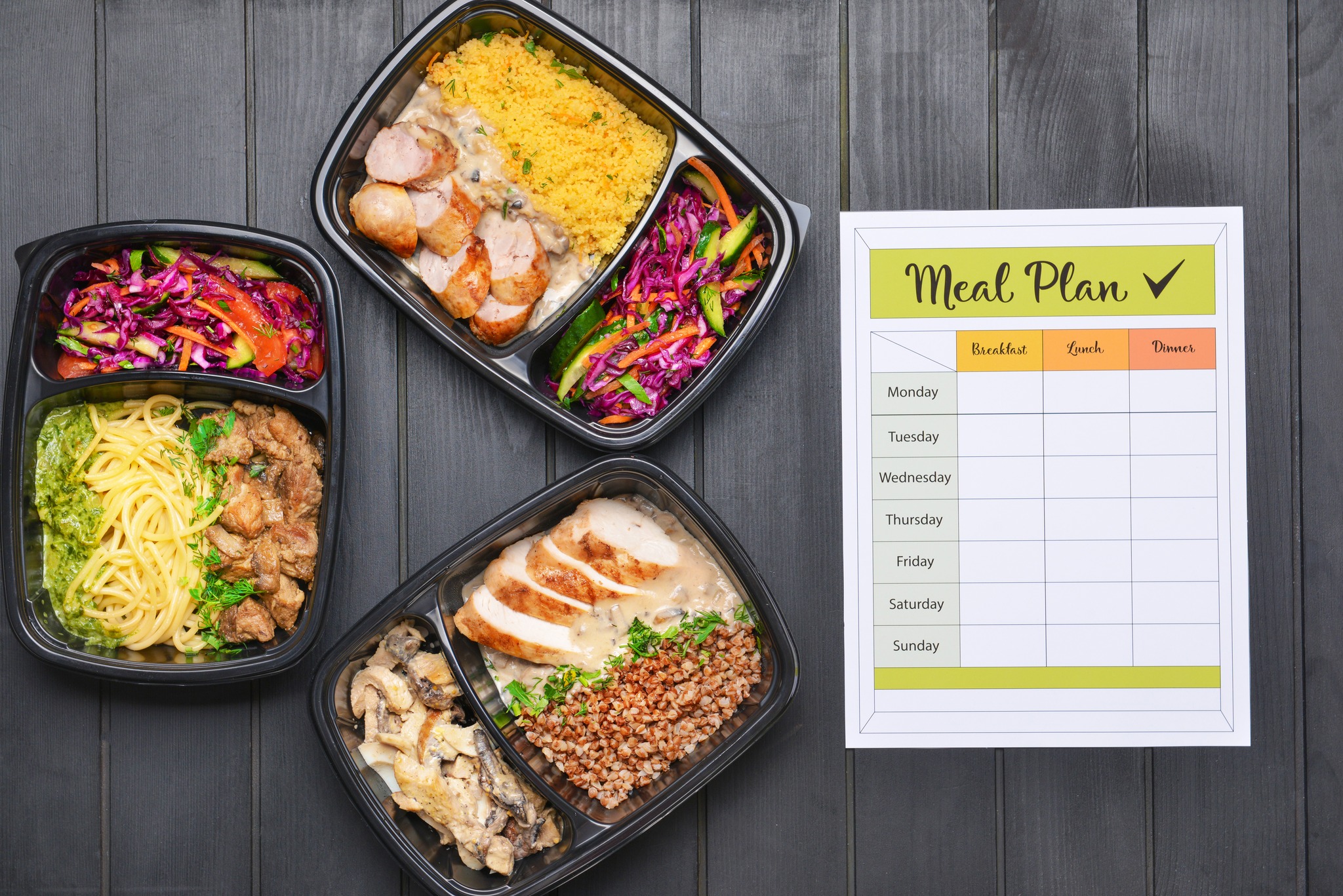
Discover how easy and enjoyable healthy eating can be. Visit Fresh Fitness Food to get started today and unlock the power of fitness-friendly foods designed for YOUR busy life.
Frequently Asked Questions
What are the best fitness-friendly foods for a busy lifestyle?
Lean chicken breast, oats, Greek yogurt, quinoa, avocados, salmon, and berries are excellent choices. These foods are packed with essential nutrients and can easily be incorporated into various meals.
How can I quickly prepare a healthy meal using these fitness-friendly foods?
Combine foods like quinoa and lean chicken breast for a nutritious meal. Prepare a batch of quinoa in advance and pair it with grilled chicken and vegetables for a quick, balanced dinner.
What are the benefits of eating oats for energy during busy days?
Oats provide long-lasting energy by stabilizing blood sugar levels and providing a steady release of complex carbohydrates. Incorporate them into your morning routine by preparing overnight oats or oatmeal to fuel your day.
How can I use Greek yogurt as a post-workout snack?
Greek yogurt is high in protein and can aid in muscle recovery after workouts. Mix it with berries or nuts for a delicious and nutritious post-exercise snack that supports muscle synthesis.
What is the role of healthy fats from avocados in a fitness diet?
Avocados are a great source of monounsaturated fats and provide lasting satiety while supporting heart health. Include avocado slices in your salads or blend them into smoothies for an energy boost.
How often should I include salmon in my diet for optimal health benefits?
Aim to eat salmon at least twice a week to benefit from its omega-3 fatty acids, which support heart health. Try grilling or baking salmon for a nutritious main dish during busy weeknights.