

Master a Customized Nutrition Workflow for Health Goals
Over 60 percent of young professionals in European cities say convenience is the main barrier to meeting their nutrition and fitness goals. For those balancing long work hours in Bucharest, finding a meal plan as precise as an American nutrition workflow can feel out of reach. This guide makes personalizing your eating habits practical, showing you how to align your daily meals with individual fitness targets so you can achieve weight loss, muscle gain, or simply feel energized for what matters most.
Table of Contents
- Step 1: Identify Personal Dietary Preferences And Goals
- Step 2: Assess Nutritional Needs Using Fitness Data
- Step 3: Select Optimal Meal Plan And Ingredients
- Step 4: Personalize Portion Sizes And Meal Timing
- Step 5: Monitor Progress And Adjust Workflow
Quick Summary
| Key Insight | Explanation |
|---|---|
| 1. Identify Personal Preferences | Understand your food preferences and health goals to create a tailored nutrition plan. |
| 2. Utilize Fitness Data | Leverage personal fitness metrics for precise dietary recommendations and nutritional needs. |
| 3. Optimize Meal Planning | Develop a meal plan that aligns with your nutritional data and health objectives for better results. |
| 4. Personalize Portion Sizes | Tailor portion sizes and meal timing to your unique metabolic patterns for improved energy levels. |
| 5. Monitor and Adjust Progress | Regularly track your progress and make informed adjustments based on comprehensive data analysis. |
Step 1: Identify personal dietary preferences and goals
Designing a personalized nutrition workflow starts with understanding your unique dietary landscape. By mapping out your individual preferences, health objectives, and lifestyle constraints, you can create a nutrition strategy that genuinely resonates with your body and goals.
Begin by conducting an honest self assessment across multiple dimensions. Understanding individual food choice motives requires examining psychological, social, cultural, and biological factors that influence your eating patterns. Consider questions like: What foods make you feel energized? Which cuisines do you enjoy? Are there specific health conditions or fitness objectives driving your nutrition choices? These reflections help create a comprehensive profile that goes beyond generic dietary recommendations.
Effective personalization means balancing multiple considerations. Personalized nutrition solutions should incorporate not just biomedical targets, but also pleasure, sustainability, and individual taste preferences. Track your current eating habits using a food journal, noting portion sizes, meal times, emotional responses to different foods, and energy levels after consuming specific dishes. This granular data becomes your roadmap for creating a tailored nutrition workflow.
Pro tip: Create a detailed spreadsheet or use a tracking app to document your dietary insights, making your personalization process systematic and data driven.
Step 2: Assess nutritional needs using fitness data
Transforming your nutrition strategy requires a scientific approach that leverages your personal fitness data to create precise, targeted dietary recommendations. This step moves beyond generic advice by using concrete metrics that reflect your unique physiological profile.
Digital applications for nutrition monitoring now enable unprecedented precision in tracking your metabolic needs. Modern technologies integrate data from fitness trackers, smartwatches, and health apps to generate comprehensive insights about your body’s nutritional requirements. Consider connecting devices that track heart rate, activity levels, sleep patterns, and exercise intensity. These metrics provide a holistic view of your metabolism and energy expenditure, allowing you to calibrate your nutritional intake with remarkable accuracy.
Artificial intelligence technologies can transform raw fitness data into actionable nutritional recommendations. By analyzing factors like your genetic profile, current fitness level, workout frequency, and metabolic markers, advanced algorithms can suggest precise macronutrient ratios and caloric intake tailored specifically to your body’s needs. The calculator tool can help you translate these insights into a personalized nutrition plan that supports your specific health and fitness objectives.
Pro tip: Sync multiple health tracking devices and apps to create a comprehensive data profile, ensuring more accurate nutritional assessments.
Here’s a comparison of different nutrition tracking tools and their unique benefits:
| Tool Type | Key Features | Best For |
|---|---|---|
| Food Journals | Manual entry, habit reflection | Building self-awareness |
| Fitness Trackers | Real-time biometrics, auto-sync | Tracking activity and calories |
| AI Nutrition Advisors | Data analysis, personalized tips | Generating tailored meal plans |
| Mobile Diet Apps | Easy logging, reminders, insights | Daily convenience and accuracy |
Step 3: Select optimal meal plan and ingredients
Selecting the right meal plan is a strategic process that transforms nutritional data into practical eating strategies. Your goal is to create a personalized nutrition approach that aligns perfectly with your health objectives and metabolic needs.

Data-driven meal planning approaches now enable unprecedented precision in creating nutritionally balanced meal strategies. By systematically analyzing recipe data, nutritional information, and cost considerations, you can develop a meal plan that maximizes nutrition while maintaining budget efficiency. Look for plans that offer diverse ingredient combinations, ensuring you receive a comprehensive range of nutrients without compromising taste or satisfaction.
World Health Organization dietary recommendations emphasize the importance of ingredient variety and nutrient density. Focus on incorporating a balanced mix of cereals, legumes, fruits, vegetables, and lean protein sources. The weight loss meal plan can serve as a template for understanding how to structure meals that support your specific health goals. Pay close attention to macronutrient ratios, portion sizes, and the overall nutritional profile of each meal to ensure optimal results.
Pro tip: Create a weekly ingredient rotation strategy to prevent nutritional monotony and maintain dietary excitement.
Step 4: Personalize portion sizes and meal timing
Creating a nutrition workflow that adapts to your unique metabolic rhythm requires precision and strategic planning. This step transforms generic dietary guidelines into a personalized eating strategy that aligns perfectly with your body’s specific needs and lifestyle patterns.
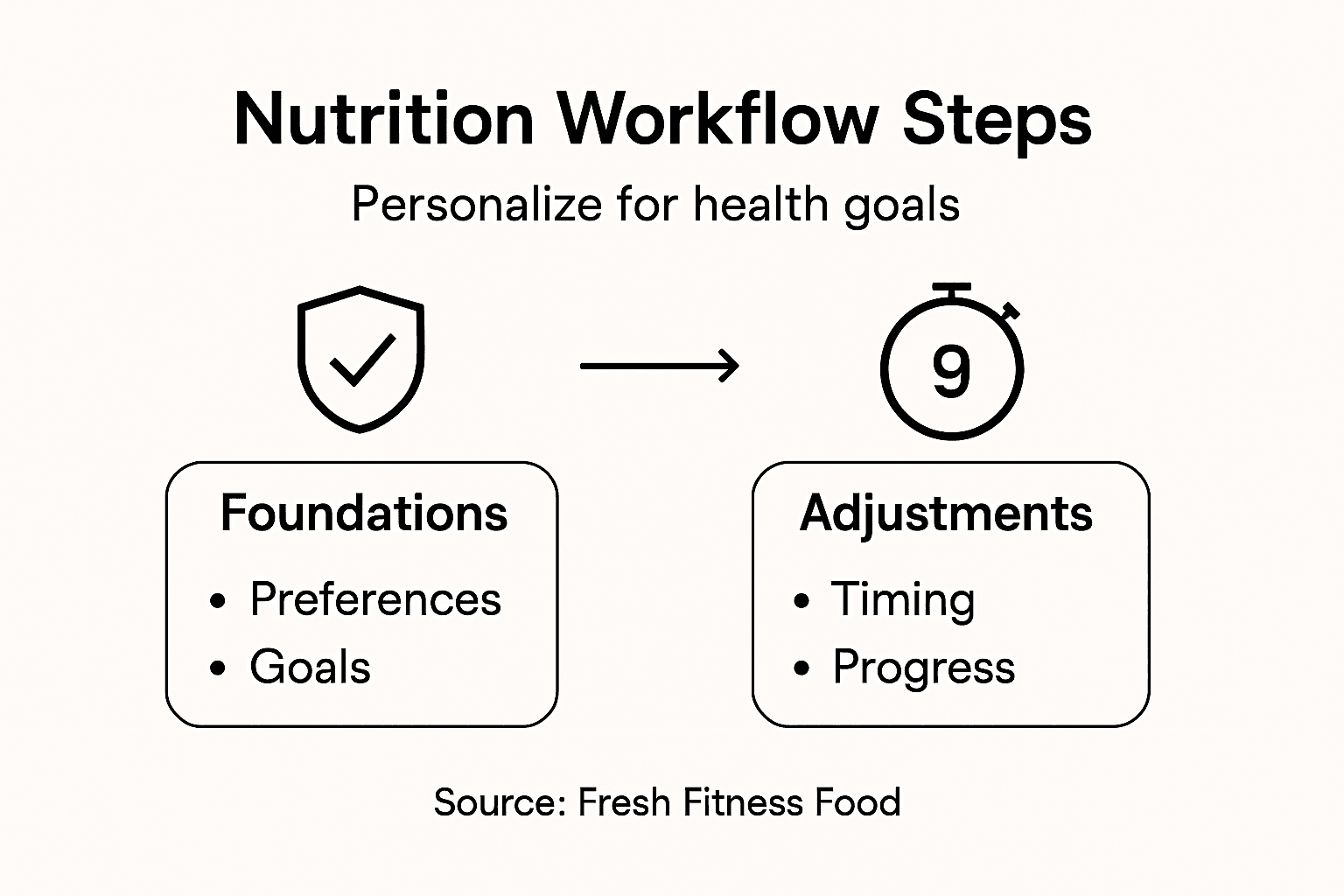
Personalized meal planning systems now offer sophisticated approaches to tailoring nutrition strategies. These advanced methods use collaborative filtering and comprehensive analysis of your health history to recommend meal plans with real time adjustments. Consider tracking your daily energy levels, workout intensity, and metabolic responses to fine tune portion sizes and meal intervals that support your specific health objectives.
Individualized nutrient timing strategies emphasize the critical connection between meal scheduling and metabolic performance. The personalized menu can help you understand how strategic eating windows can optimize your energy, support muscle recovery, and enhance overall metabolic efficiency. Focus on aligning your meal timing with your body’s natural circadian rhythms and activity patterns to maximize nutritional absorption and metabolic response.
Pro tip: Experiment with meal timing by tracking your energy levels and performance to discover your body’s optimal eating schedule.
Step 5: Monitor progress and adjust workflow
Tracking your nutritional journey transforms abstract goals into measurable results. This critical step ensures your customized nutrition strategy remains responsive and aligned with your evolving health objectives.
Digital nutrition tools now provide sophisticated features for comprehensive progress monitoring. These advanced platforms utilize real time data and AI driven insights to help you track performance against specific health metrics. Implement regular check ins where you assess key indicators such as body composition, energy levels, workout performance, and overall well being. Compare your actual results against your initial goals and be prepared to make strategic adjustments.
Monitoring and evaluation frameworks emphasize the importance of systematic data collection for continuous improvement. Develop a consistent tracking system that captures multiple dimensions of your nutritional progress. Consider maintaining a detailed log that includes not just physical measurements, but also subjective experiences like mood, sleep quality, and mental clarity. This holistic approach provides a more nuanced understanding of how your nutrition workflow impacts your overall health and performance.
This table summarizes crucial metrics to monitor for effective nutrition workflow adjustments:
| Metric | Why Track It | Adjustment Trigger |
|---|---|---|
| Body Composition | Shows muscle vs fat change | Plateau or decline |
| Energy Levels | Indicates daily fuel sufficiency | Persistent fatigue |
| Workout Performance | Reflects nutrient adequacy | Decreased strength/endurance |
| Mental Clarity | Relates to macro balance | Ongoing brain fog |
| Sleep Quality | Impacts recovery and hunger | Poor rest, mood swings |
Pro tip: Schedule monthly review sessions to comprehensively analyze your nutrition data and make informed, incremental adjustments.
Master Your Nutrition Goals with Personalized Meal Solutions
Struggling to translate your unique dietary preferences, fitness data, and meal timing into an effective nutrition workflow? You are not alone. Many face challenges balancing precise portion sizes, ingredient variety, and real-time progress monitoring. This article highlights key pain points such as customizing macronutrient ratios, syncing fitness insights, and adapting meal plans to your body’s metabolic rhythm.
Take control with Fresh Fitness Food, where personalization meets convenience. Our fresh, macro-balanced meal plans are tailored to your health goals including weight loss, muscle gain, vegan, keto, and more. Benefit from expertly crafted menus that align with your nutrition workflow and save you time on meal prep. Combine this with our integrated lifestyle coaching for a holistic approach that evolves alongside your progress.
Discover how easy hitting your targets can be.
Are you ready to optimize your nutrition workflow today and feel energized every day?
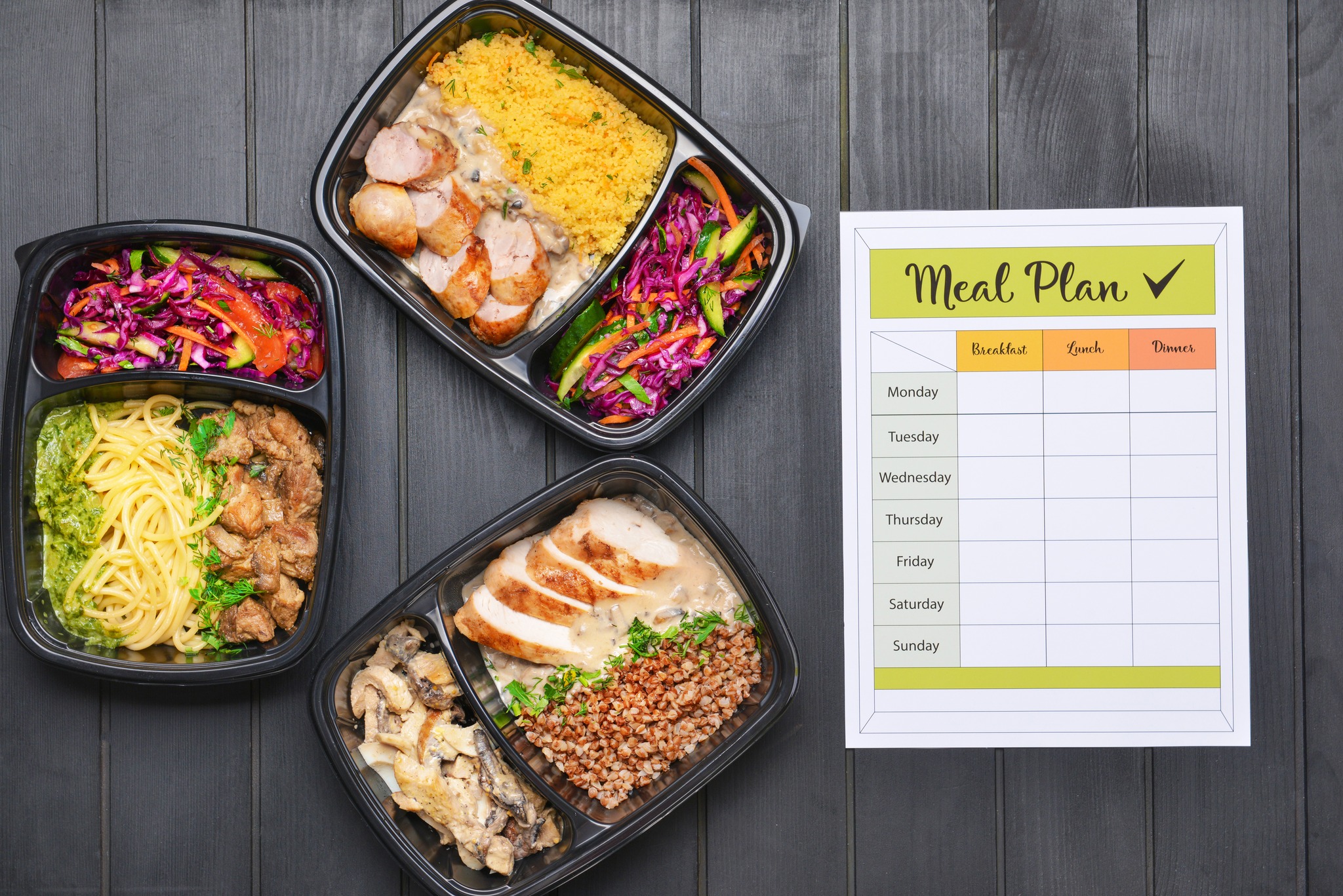
Explore tailored meal plans and start your personalized journey now at Fresh Fitness Food. Make the shift from planning to thriving with meals built specifically for your body and lifestyle.
Frequently Asked Questions
How can I identify my personal dietary preferences and goals?
Begin by conducting a self-assessment of your food preferences, health objectives, and lifestyle constraints. Reflect on what foods energize you, any specific health conditions, and workout goals to create a tailored nutrition profile that suits your needs.
What nutritional needs should I assess using my fitness data?
Assess your metabolic requirements by integrating data from fitness trackers and health apps. Focus on metrics such as activity levels, heart rate, and sleep patterns to fine-tune your dietary intake and create targeted recommendations that support your fitness objectives.
How do I select the optimal meal plan and ingredients for my custom nutrition workflow?
Choose a meal plan that prioritizes nutrient variety and balances nutrition with budget standards. Analyze recipe data and nutritional information to create a meal plan that maximizes health benefits while ensuring meal enjoyment and satisfaction.
What is the best way to personalize portion sizes and meal timing?
Tailor your portion sizes and meal timing to match your daily energy levels and workout intensity. Monitor your body’s responses to different meal schedules and adjust as needed to enhance nutritional absorption and overall performance.
How can I effectively monitor my progress and adjust my nutrition workflow?
Utilize digital tools to track key health metrics such as body composition and energy levels. Conduct monthly reviews of your progress to implement adjustments based on your nutrition data, aiming for continuous improvement in your health goals.