

Guide to Healthy Bulking Meals for Lasting Muscle Gain
Most American meal planning guides overlook the unique nutrition needs of fitness enthusiasts in Bucharest who want hassle-free bulking solutions. The truth is, over 80% of muscle gains depend on tailored diet choices and not just hitting the gym. This article reveals how to assess, optimize, and personalize your bulking nutrition for maximum results—giving you a clear path to nutritious, macro-balanced meals without the stress of daily prep.
Table of Contents
- Step 1: Assess Personal Nutrition Goals
- Step 2: Choose Macro-Balanced Meal Components
- Step 3: Prepare and Portion Bulk-Friendly Ingredients
- Step 4: Customize Menus for Taste and Progress
- Step 5: Verify Nutritional Quality and Consistency
Quick Summary
| Essential Insight | Explanation |
|---|---|
| 1. Assess Your Nutritional Goals | Calculate caloric needs and focus on a protein-rich diet for muscle gain. |
| 2. Prioritize Macro-Balanced Meals | Incorporate combinations of protein, carbohydrates, and healthy fats in meals. |
| 3. Master Meal Preparation | Use proper tools and batch cooking to simplify consistent nutrition. |
| 4. Customize Menus for Variety | Experiment with different food sources and flavors to maintain meal interest. |
| 5. Verify Nutritional Quality | Regularly check meal compositions to align with your bulking goals. |
Step 1: Assess Personal Nutrition Goals
Starting your muscle building journey requires a strategic approach to understanding your unique nutritional requirements. Successful bulking isn’t about eating everything in sight but developing a precise nutrition strategy tailored to your body’s specific needs. The Dietary Guidelines for Americans emphasize that personalized nutrition planning involves considering multiple factors including your current body composition, metabolic rate, activity level, and fitness objectives.
To effectively assess your nutrition goals, begin by calculating your baseline caloric needs. This involves determining your basal metabolic rate and total daily energy expenditure based on age, weight, height, and activity level. Muscle gain requires a calculated calorie surplus typically ranging from 250 to 500 additional calories per day above your maintenance level. The Healthy Eating Plate recommends focusing on nutrient dense foods that provide high quality protein, complex carbohydrates, and healthy fats to support muscle growth and overall metabolic function.
Your personal nutrition assessment should include tracking macronutrient ratios with an emphasis on protein intake. For muscle building, aim for approximately 1.6 to 2.2 grams of protein per kilogram of body weight daily. This means if you weigh 80 kilograms, your target protein intake would range between 128 to 176 grams per day. Distribute these protein sources across multiple meals to optimize muscle protein synthesis and recovery.
Pro tip: Consider using a digital food tracking app to simplify macro calculations and ensure consistent nutrient intake during your muscle building phase.
Step 2: Choose Macro-Balanced Meal Components
Building an effective muscle building nutrition strategy requires thoughtful selection of macro-balanced meal components that fuel growth and recovery. Macro balance fundamentals emphasize creating meals that provide strategic combinations of proteins, carbohydrates, and healthy fats to support muscle development.
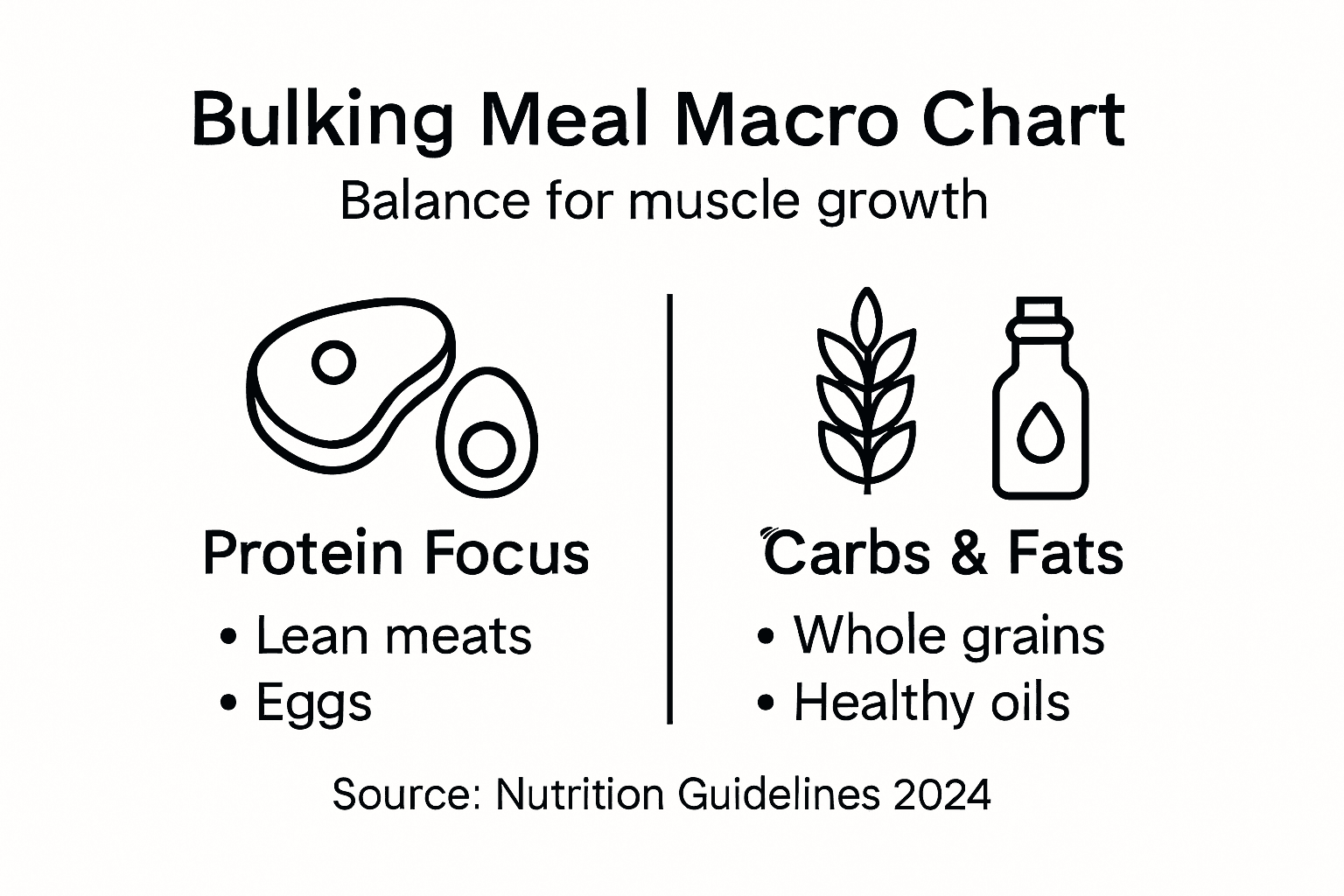
Protein should be your primary focus, targeting high quality sources like lean meats, fish, eggs, and plant based proteins such as legumes and quinoa. Aim for approximately 25 to 35 grams of protein per meal, distributed across 4 to 5 daily eating occasions. Carbohydrates play a crucial role in muscle glycogen replenishment, so prioritize complex carbohydrates like sweet potatoes, brown rice, oats, and whole grains. These provide sustained energy and support intense training sessions. Your fat intake should come from nutrient dense sources including avocados, nuts, seeds, olive oil, and fatty fish, which contribute to hormone production and overall metabolic health.

When constructing your meals, follow a general macro ratio of 30-40% protein, 40-50% carbohydrates, and 20-30% healthy fats. This balanced approach ensures your body receives adequate nutrients for muscle synthesis while maintaining metabolic flexibility. Remember that individual needs can vary, so monitor your body composition and performance to fine tune your macro ratios.
Pro tip: Prepare your meals in advance and portion them with a food scale to ensure precise macro tracking and consistency in your nutrition plan.
Step 3: Prepare and Portion Bulk-Friendly Ingredients
Mastering meal preparation is crucial for successful muscle building, and understanding precise meal prep techniques can dramatically streamline your nutrition strategy. Effective ingredient preparation involves selecting nutrient dense foods and systematically portioning them to meet your specific caloric and macronutrient requirements.
Start by investing in essential kitchen tools like a digital food scale, measuring cups, and quality storage containers. When preparing proteins, opt for batch cooking methods such as baking chicken breasts, grilling lean beef, or preparing large batches of fish that can be easily portioned and stored. For carbohydrates, cook large quantities of brown rice, quinoa, and sweet potatoes that can be divided into individual meal servings. Roast vegetables in bulk to add nutrient variety and ensure you have quick vegetable additions ready for each meal. The goal is to create a system where portion management becomes seamless and consistent.
Always label your prepared containers with the date, protein content, and total macronutrient breakdown. This practice not only helps you track your nutrition precisely but also ensures you can quickly grab meals that align with your muscle building goals. Consider preparing 3 to 4 days worth of meals at a time to maintain ingredient freshness and nutritional integrity.
Pro tip: Invest in high quality glass or BPA free plastic containers with compartments to simplify macro tracking and keep different food components separated during storage.
Here’s a summary of common meal prep tools and their benefits for muscle building nutrition:
| Tool | Purpose | Benefit |
|---|---|---|
| Digital Food Scale | Accurately measure ingredients | Precise portion control |
| Measuring Cups | Standardize ingredient amounts | Consistency in meal planning |
| Glass Containers | Store prepared meals safely | Maintains freshness & separation |
| Labels | Track meal composition and date | Ensures nutrient accountability |
Step 4: Customize Menus for Taste and Progress
Creating a sustainable muscle building nutrition plan requires more than just following generic guidelines. Healthy eating strategies emphasize the importance of developing a menu that not only meets your nutritional needs but also satisfies your personal taste preferences and cultural food traditions.
Start by experimenting with diverse protein sources like chicken, fish, lean beef, turkey, eggs, and plant based proteins such as legumes and tofu. Rotate your protein choices to prevent meal fatigue and ensure a broad spectrum of nutrients. When incorporating carbohydrates, explore varieties beyond standard rice and pasta including quinoa, sweet potatoes, butternut squash, and different whole grains. Add flavor complexity through herbs, spices, and marinades that make your meals exciting without compromising their nutritional profile. Meal customization techniques suggest tracking your body composition and performance metrics to guide menu adjustments every 4 to 6 weeks.
Document your progress by maintaining a nutrition journal that tracks meal compositions, taste ratings, energy levels, and body measurements. This systematic approach allows you to identify which meal combinations provide optimal performance and satisfaction. Be willing to modify your menu based on your body’s response, understanding that nutrition is a dynamic process of continuous learning and adaptation.
Pro tip: Create a weekly recipe rotation with 3 to 4 variations for each macronutrient to prevent monotony while maintaining nutritional consistency.
Step 5: Verify Nutritional Quality and Consistency
Validating the nutritional integrity of your bulking meals is a critical step in ensuring sustainable muscle growth and overall health. Comprehensive nutrient databases provide powerful tools for tracking and verifying the precise nutritional content of your ingredients, allowing you to make informed dietary decisions with scientific precision.
Utilize digital resources and nutrition label guidelines to cross reference the macronutrient and micronutrient content of your meal components. Pay special attention to protein quality, total calorie count, and essential micronutrients. Look for complete protein sources that provide all essential amino acids, and verify that your carbohydrate selections offer complex carbohydrates with substantial fiber content. Digital food tracking apps can help you log and analyze your daily nutrient intake, providing real time feedback on your macro and micronutrient balance.
Develop a systematic approach to nutritional verification by maintaining a weekly audit of your meal compositions. Compare your actual nutrient intake against your targeted macronutrient goals, making incremental adjustments based on your body composition changes, energy levels, and workout performance. Consistency is key in nutritional planning, so establish a routine of regular nutritional assessments that allow you to adapt and optimize your bulking strategy.
Pro tip: Create a digital spreadsheet to track your weekly nutrient intake, allowing you to identify patterns and make data driven nutritional adjustments.
This table compares ways to monitor and verify your nutrition for optimal bulking progress:
| Method | Tracking Focus | Benefit |
|---|---|---|
| Food Tracking App | Daily macro/micro intake | Real-time feedback |
| Nutrition Journal | Meals, energy, progress | Identifies trends |
| Weekly Audit | Actual vs. goal macros | Enables adjustments |
| Digital Spreadsheet | Weekly nutrient patterns | Data-driven decisions |
Fuel Your Muscle Gains with Expertly Crafted Meals
Struggling to balance calorie intake, macronutrient tracking, and meal prep while aiming for lasting muscle gain? This guide highlights the key challenges of building a personalized, macro-balanced nutrition plan that fits your lifestyle and training goals. From calculating precise protein needs to mastering bulk-friendly portioning and meal variety, consistent nutrition quality is essential for progress and avoiding burnout.
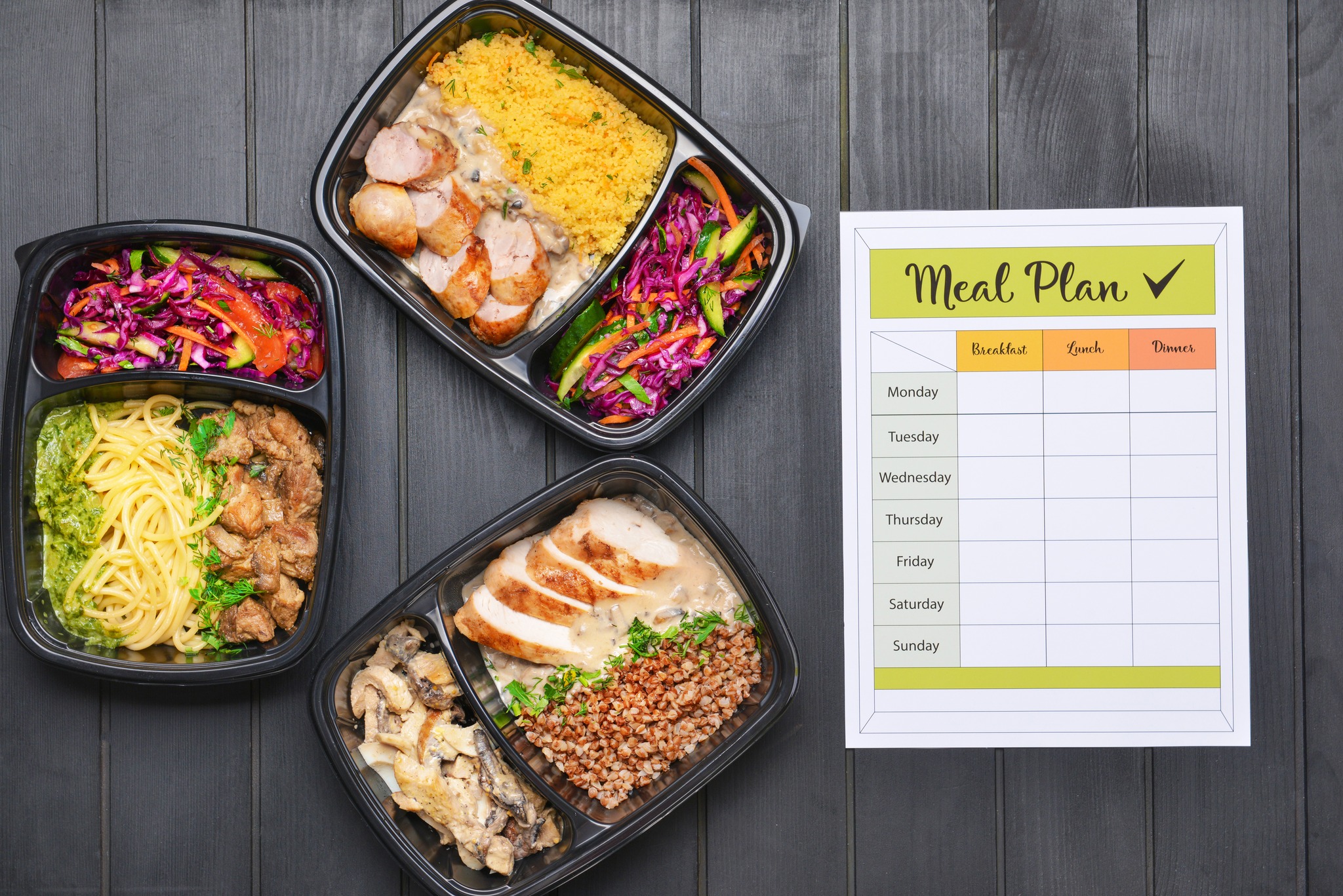
FreshFitnessFood.ro understands these pain points and offers a simple solution. Our customizable meal plans provide fresh, macro-balanced meals designed specifically for muscle building and fitness enthusiasts. Say goodbye to the hassle of meal prepping and tracking every ingredient. Enjoy nutrient-dense proteins, complex carbs, and healthy fats crafted to support your energy, recovery, and muscle synthesis needs.
Ready to take the guesswork out of your bulking nutrition? Explore how our expertly prepared meals can keep you on track and feeling your best. Visit FreshFitnessFood.ro now and start fueling your muscle gains with convenience and quality.
Frequently Asked Questions
How can I assess my personal nutrition goals for muscle building?
To assess your personal nutrition goals, start by calculating your baseline caloric needs using your age, weight, height, and activity level. Focus on creating a surplus of 250 to 500 calories above your maintenance level to support muscle gain.
What macronutrient ratios should I aim for in healthy bulking meals?
Aim for a macronutrient ratio of approximately 30-40% protein, 40-50% carbohydrates, and 20-30% healthy fats in your meals. Monitor your body composition and performance to fine-tune these ratios based on your progress.
What meal prep techniques can help me stay consistent with my bulking nutrition?
Use batch cooking to prepare proteins like chicken and fish, and cook large quantities of carbohydrates like brown rice and quinoa. Portion these ingredients in containers labeled with macronutrient breakdowns to streamline your meal planning.
How can I customize my meals to prevent boredom while bulking?
Experiment with a variety of protein sources and different types of carbohydrates to keep your meals exciting. Use herbs and spices for flavor enhancements, and rotate your meals every 4 to 6 weeks based on your taste preferences and nutritional needs.
How can I verify the nutritional quality of my bulking meals?
To verify the nutritional quality of your meals, track the macronutrient and micronutrient content using nutrient databases and nutrition label guidelines. Maintain a weekly audit of your meals to compare your actual intake against your nutritional goals for optimal adjustments.