

What Is Clean Eating and Its Wellness Impact
For many health-minded professionals in Bucharest, juggling fitness goals and a packed workday makes meal decisions feel complicated. Clean eating promises convenience and better wellness, but confusion around what truly counts as a clean meal often leads to unnecessary stress. Understanding the difference between flexible whole food choices and restrictive dieting helps you focus on balanced nutrition that fits your schedule, so you can support your wellness without sacrificing time or enjoyment.
Table of Contents
- Defining Clean Eating And Common Misconceptions
- Types Of Clean Eating Approaches
- Key Principles And Food Choices
- Benefits And Wellness Effects
- Risks, Challenges, And Alternatives
Key Takeaways
| Point | Details |
|---|---|
| Clean eating is flexible | It’s about making informed choices with whole foods, not strict elimination of all processed items. |
| Focus on balance and variety | Incorporate a range of foods to ensure sufficient nutrients while enjoying meals. |
| Beware of misconceptions | Clean eating does not guarantee weight loss or require extreme restrictions; it’s about sustainable habits. |
| Monitor mental health | Avoiding perfectionism around food choices is crucial to maintain a healthy relationship with eating. |
Defining Clean Eating and Common Misconceptions
Clean eating means choosing whole foods in their less processed states. Think vegetables, fruits, whole grains, legumes, quality proteins, nuts, and seeds rather than packaged products with long ingredient lists.
The core idea is straightforward: eat food that’s closer to its natural form. Ideally, these foods are seasonal and, when possible, organic. But here’s where confusion starts creeping in.
Many people believe clean eating requires eliminating all processed foods entirely. That’s not accurate. Understanding clean eating myths reveals that not all processed foods are unhealthy, and not all organic foods are pesticide-free. Foods exist on a spectrum, not in strict “clean” versus “dirty” categories.
The Misconceptions Holding You Back
When unqualified wellness influencers promote overly restrictive versions of clean eating, people start cutting out entire food groups. This approach often leads to nutrient deficiencies and unnecessary stress around meal choices.
Here are the most common clean eating misconceptions:
- All added sugars and preservatives must go
- Processed foods have zero nutritional value
- Organic always means cleaner and safer
- You must follow strict rules with zero flexibility
- Clean eating equals weight loss automatically
The term “clean” itself is misleading—it suggests foods are literally dirty or dangerous, when the reality is far more nuanced.
One study found that awareness of clean eating is high, largely driven by social media exposure. However, many people overlook potential risks from overly restrictive eating patterns, including disordered eating behaviors.
For busy professionals in Bucharest managing fitness goals, the real value of clean eating isn’t about perfection. It’s about making consistent, informed choices. A meal with some preservatives that fits your macros beats an obsessively “pure” meal that derails your routine.
The practical approach: focus on whole food foundations most of the time, allow flexibility for your lifestyle, and recognize that a balanced approach beats restriction every time.
Pro tip: Start by swapping one processed snack for a whole food alternative each week rather than overhauling everything at once—this builds sustainable habits without the overwhelm.
Types of Clean Eating Approaches
Clean eating isn’t one-size-fits-all. Different people adopt different versions based on their goals, values, and lifestyle. Understanding these approaches helps you find what actually works for you.
Some people follow a balanced clean eating approach, focusing on whole foods while still allowing flexibility. Others adopt more restrictive versions that eliminate specific food groups like gluten, dairy, or soy. The spectrum ranges from flexible to rigid, and neither extreme is automatically better.
Common Clean Eating Variations
Here’s what you might encounter:
- Whole food focus emphasizes vegetables, fruits, lean proteins, and whole grains with minimal processing
- Organic and seasonal prioritizes locally sourced, pesticide-minimized foods when budget allows
- Gluten-free clean eating removes wheat and gluten-containing grains for digestive or health reasons
- Dairy-free clean eating excludes all milk products while maintaining whole food principles
- Sugar-conscious clean eating dramatically reduces added sugars and refined carbohydrates
- Plant-based clean eating combines whole foods with vegetarian or vegan principles
Busy professionals often combine these approaches. You might eat clean whole foods most days while remaining flexible about organic status. This practical balance sustains habits better than rigid adherence.
To clarify different clean eating strategies, here’s a comparison of popular approaches:
| Approach | Flexibility Level | Foods Emphasized | Who It Fits Best |
|---|---|---|---|
| Balanced Clean Eating | Moderate flexibility | Whole foods, some processed | Most busy professionals |
| Gluten-Free | Restrictive | Grains without gluten, whole foods | Those with gluten sensitivity |
| Dairy-Free | Restrictive | Non-dairy proteins, vegetables | Lactose intolerant individuals |
| Organic/Seasonal Focus | Moderate | Local, organic produce when possible | Environmentally conscious eaters |
| Plant-Based Clean Eating | Varies | Vegetables, legumes, grains | Vegetarians, vegans |
The most sustainable clean eating approach is one you can maintain alongside your actual life, not one that requires constant vigilance or eliminates entire food groups unnecessarily.
The Extreme End: Detox and Cleanse Programs
Some people confuse clean eating with detox and cleanse programs, which include fasting, juice-only diets, or supplement-based cleanses. While these might produce short-term weight loss, they lack long-term scientific support and can sometimes be unsafe.
These extreme approaches aren’t actually part of clean eating. They represent the far end of dietary restriction. Clean eating itself focuses on consistent, whole food choices rather than extreme short-term interventions.
For fitness goals in Bucharest, a sustainable approach beats dramatic cleanses every time. You’ll see better results from steady whole food choices than from cycles of restriction followed by rebound eating.
Pro tip: Choose one or two clean eating variations that align with your fitness goals and lifestyle, rather than trying to follow all of them simultaneously—consistency matters more than perfection.
Key Principles and Food Choices
Clean eating rests on three foundational principles: variety, balance, and moderation. These aren’t complicated rules—they’re practical guidelines that align with what nutritional science actually supports.

Variety means eating different foods across food groups. This ensures you get the full spectrum of vitamins, minerals, and nutrients your body needs. It also protects against nutrient deficiencies and keeps meals interesting.
Balance means combining different macronutrients and food types at each meal. A plate with protein, vegetables, whole grains, and healthy fats supports steady energy and prevents blood sugar crashes. Balance also reduces your environmental footprint—something that matters if you care about sustainability.
Moderation means eating appropriate portions without excess. You don’t need to restrict calories obsessively; you need to eat enough to fuel your workouts and daily life while avoiding overeating.
The Foods That Actually Matter
When you follow these three principles, your food choices naturally gravitate toward whole options:
- Vegetables and fruits provide fiber, antioxidants, and micronutrients
- Whole grains like oats, quinoa, and brown rice offer sustained energy
- Lean proteins including chicken, fish, legumes, and Greek yogurt support muscle recovery
- Healthy fats from avocados, nuts, olive oil, and fatty fish reduce inflammation
- Minimally processed foods retain nutrients that refining removes
Sustainable healthy diet principles emphasize that food choices should be culturally acceptable, economically accessible, and environmentally responsible. For busy professionals in Bucharest, this means building meals around local, affordable whole foods rather than trendy superfoods.
The goal isn’t perfection—it’s consistency. A meal of grilled chicken, rice, and frozen vegetables beats an obsessively “pure” meal you’ll resent eating.
You don’t need expensive organic produce or rare supplements to eat clean. Standard vegetables, affordable proteins, and basic whole grains work perfectly. The principle matters more than the price tag.
Pro tip: Build your meals around one protein, one vegetable, and one whole grain rather than overthinking food combinations—this formula ensures balance and makes grocery shopping faster.
Benefits and Wellness Effects
Clean eating delivers real, measurable benefits when you approach it as a sustainable lifestyle rather than a temporary fix. The wellness gains extend beyond the scale to your daily energy, mental clarity, and long-term health.
Physical Health Benefits
Eating whole, minimally processed foods creates noticeable changes in your body:
- Stable blood sugar levels prevent energy crashes and cravings throughout the day
- Improved heart health from reduced sodium, added sugars, and unhealthy fats
- Better digestion thanks to increased fiber from whole foods and vegetables
- Stronger immune function from nutrient-dense foods rich in vitamins and minerals
- Enhanced metabolism when your body processes real food more efficiently
- Healthier body composition supporting your fitness goals in Bucharest
Clean eating that emphasizes whole foods reduces risks associated with poor-quality diets like heart disease, diabetes, and obesity. You’re not just eating differently—you’re actively protecting your future health.
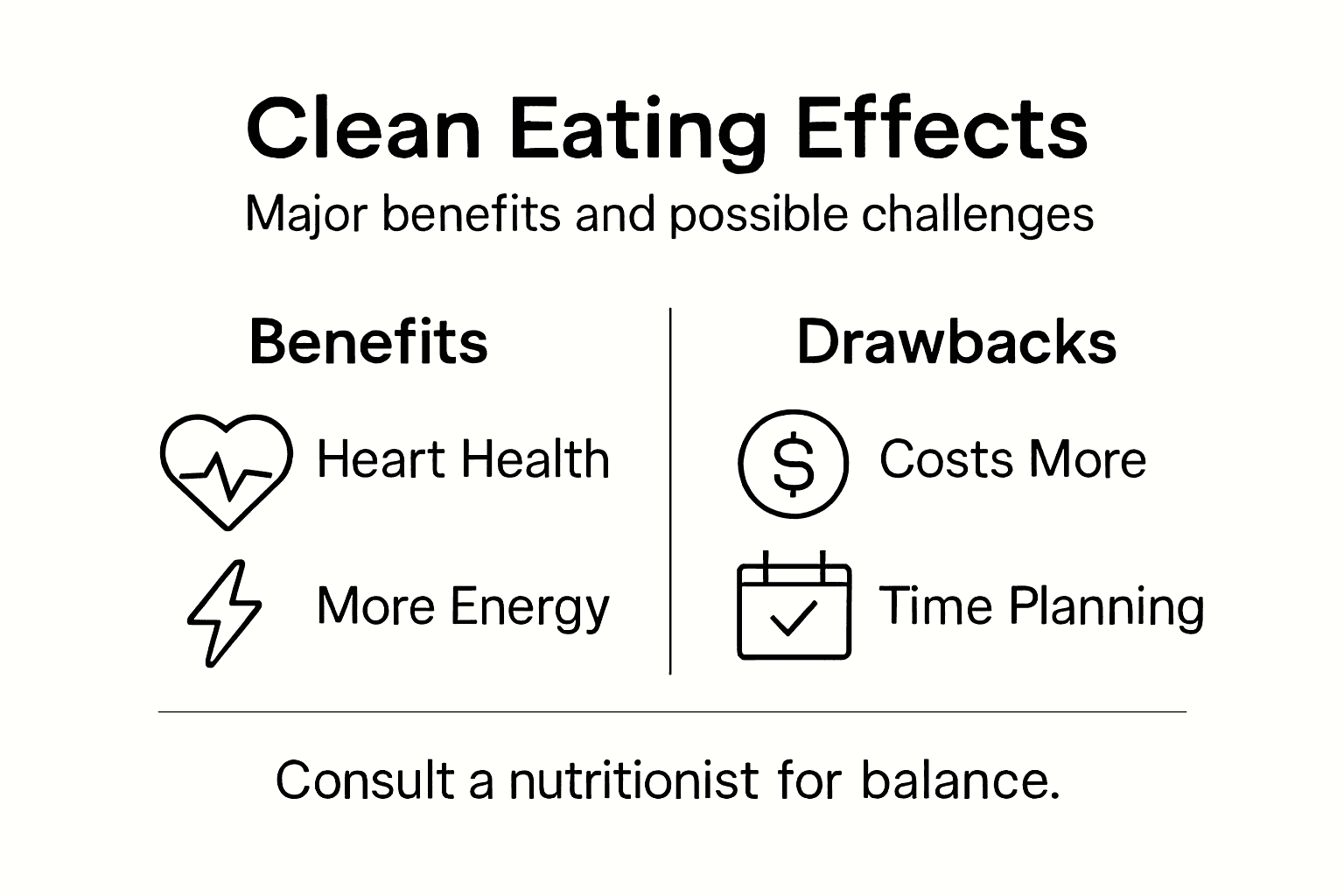
Here’s a summary of clean eating’s positive effects versus its potential drawbacks:
| Positive Effects | Potential Drawbacks | How to Minimize Risks |
|---|---|---|
| Stable energy levels | Nutrient deficiencies | Include all food groups |
| Improved heart health | Social isolation | Allow occasional flexibility |
| Stronger immunity | Increased meal planning stress | Prepare simple, quick meals |
| Better digestion | Financial cost concerns | Use affordable staples |
Energy and Performance
Busy professionals notice this benefit fastest. Whole foods fuel sustained energy without the afternoon crash. Your workouts improve when your nutrition supports recovery. Gym sessions feel stronger. Concentration at work sharpens.
Whole minimally processed foods can enhance energy levels by stabilizing blood sugar and providing steady nutrient delivery to your cells. You’re fueling performance, not just filling your stomach.
The energy boost from clean eating often appears within 2-3 weeks, making it one of the most motivating reasons to stay consistent.
Mental and Long-Term Wellness
Your brain benefits from clean eating too. Better nutrition supports mood stability, focus, and cognitive function. You’ll think clearer and feel more motivated about your fitness progress.
Long-term, you’re building habits that support healthy aging. You’re reducing inflammation, supporting heart health, and maintaining muscle mass—the things that determine quality of life decades from now.
This isn’t about restriction or deprivation. It’s about investing in the version of yourself that shows up stronger, more energized, and more capable.
Pro tip: Track your energy levels and workout performance for two weeks before starting clean eating, then again two weeks after—seeing concrete improvements motivates consistency far more than abstract health goals.
Risks, Challenges, and Alternatives
Clean eating isn’t risk-free, and it’s not the only path to wellness. Understanding potential downsides helps you make informed decisions about what approach fits your life.
Real Risks of Overly Restrictive Clean Eating
When clean eating becomes obsessive, problems emerge:
- Nutrient deficiencies from eliminating entire food groups without replacement
- Disordered eating patterns when rigidity around food creates anxiety or guilt
- Social isolation from refusing foods at meals with friends or family
- Unsustainable habits that eventually lead to abandoning the approach entirely
- Mental health strain from perfectionism around food choices
- Limited flexibility that makes travel, dining out, or spontaneity difficult
The issue isn’t clean eating itself—it’s when the approach becomes punitive rather than nourishing. If you’re obsessing over food purity or experiencing guilt around eating, that’s a red flag.
Restriction that damages your mental health or social relationships isn’t wellness, no matter how clean the foods are.
Practical Challenges for Busy Professionals
Time constraints are real. Clean eating requires planning, shopping, and preparation. For professionals balancing work and fitness goals, this can feel overwhelming without support systems in place.
Cost can also be a factor. Organic produce and specialty ingredients add up. Budget-conscious eating means choosing affordable whole foods, not expensive trend items.
Viable Alternatives
If strict clean eating doesn’t resonate, alternatives exist. Plant-based diets including vegetarian and vegan patterns provide substantial health and environmental benefits while reducing cardiovascular disease and diabetes risk. These approaches work well for Bucharest professionals with ethical or environmental values.
Sustainable dietary patterns like the EAT-Lancet diet66296-3/fulltext) balance nutrition, environmental impact, and cultural acceptability without extreme restriction. These frameworks prioritize plant-based foods with moderate animal products and minimal ultra-processed items—flexibility built in.
Mediterranean eating, intuitive eating, and balanced macro approaches also deliver results without clean eating’s strictness.
The best diet is one you’ll actually follow consistently. If clean eating creates stress, explore alternatives that align with your values and lifestyle.
Pro tip: If clean eating feels overwhelming, start with one dietary change—like swapping processed snacks for whole foods—rather than overhauling everything at once, which reduces burnout and increases adherence.
Achieve Sustainable Wellness with Clean Eating and Fresh Fitness Food
Struggling to maintain a balanced clean eating lifestyle amidst your busy schedule in Bucharest? You are not alone. This article highlights that overly restrictive diets often create unnecessary stress and nutrient gaps rather than sustainable wellness. Key pain points like meal planning challenges, social isolation, and the need for flexibility resonate deeply with anyone seeking real health improvements without perfection pressure. Fresh Fitness Food understands these struggles by offering easy access to macro-balanced meals made from whole, fresh ingredients that align with your fitness goals and dietary preferences.
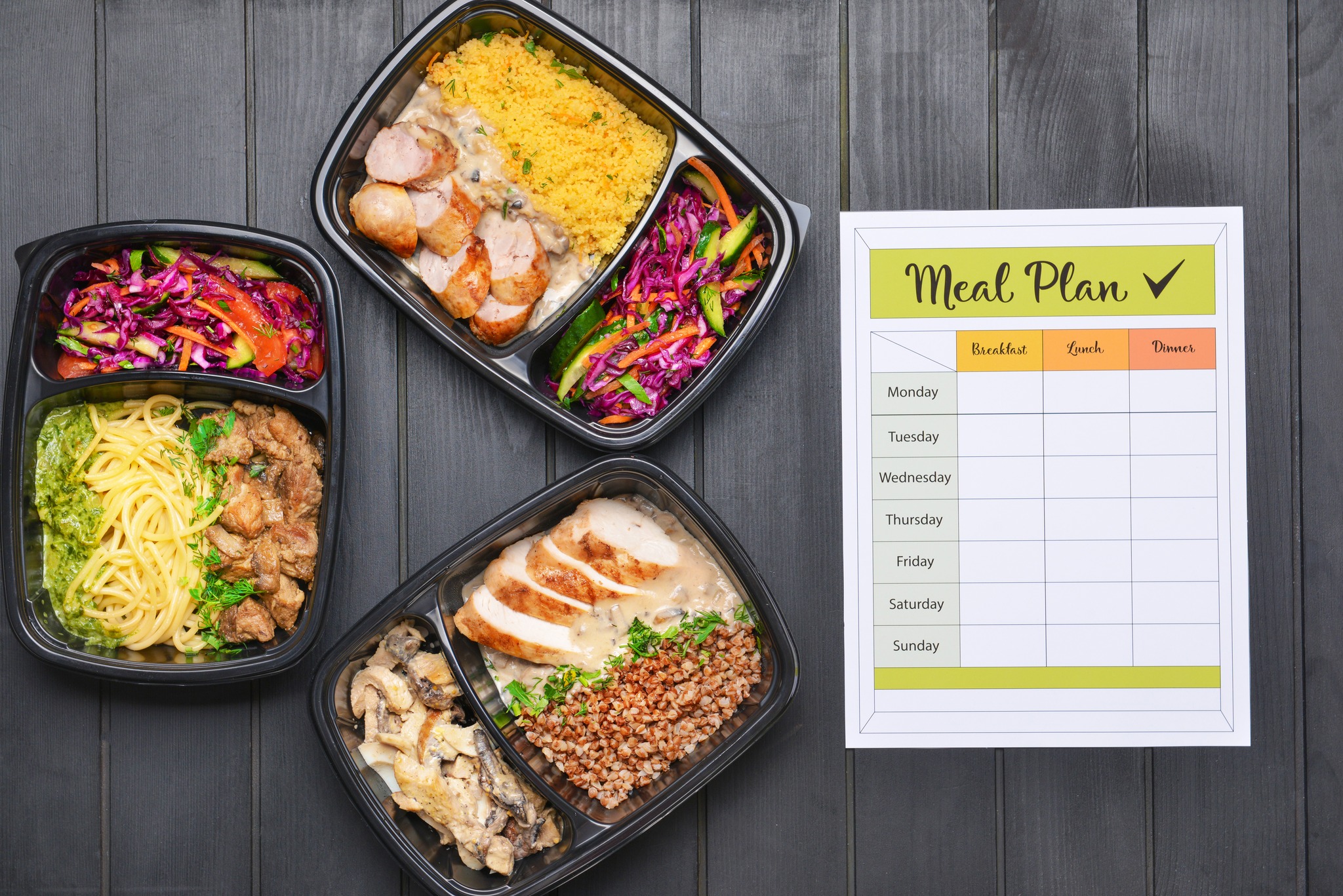
Discover how personalized meal solutions can remove the guesswork from clean eating while supporting your energy, performance, and mental focus. Whether you pursue weight loss, muscle gain, vegan, keto, or detox programs, our customizable options provide the variety, balance, and moderation essential for long-term success. Take the stress out of meal prep and embrace a smarter, flexible path to wellness today. Visit Fresh Fitness Food now and transform your clean eating approach with convenience and confidence.
Frequently Asked Questions
What is clean eating?
Clean eating refers to choosing whole foods in their less processed states, focusing on vegetables, fruits, whole grains, legumes, quality proteins, nuts, and seeds while avoiding overly processed products.
Are all processed foods unhealthy?
No, not all processed foods are unhealthy. Some minimally processed foods can offer nutritional benefits, and clean eating acknowledges that foods exist on a spectrum rather than strict ‘clean’ or ‘dirty’ categories.
What are the key principles of clean eating?
The key principles of clean eating are variety, balance, and moderation. This means consuming a diverse range of foods, combining different macronutrients in meals, and eating appropriate portions.
What are some benefits of clean eating?
Benefits of clean eating include stable energy levels, improved heart health, better digestion, and enhanced immune function. These effects contribute to overall wellness, better energy for daily activities, and stronger physical performance.