

Fresh Ingredients: Elevating Everyday Wellness
Juggling a demanding schedule in Bucharest often means quick meals win over quality nutrition. Yet, understanding the true definition of fresh ingredients could be the game-changer for your fitness journey. Fresh foods like vegetables, fruits, lean proteins, and whole grains deliver vitamins, minerals, and antioxidants in their most natural form. Choosing fresh options lays the foundation for lasting energy, muscle recovery, and weight management—so you can push through every challenge without the midday slump.
Table of Contents
- Defining Fresh Ingredients In Healthy Living
- Types Of Fresh Ingredients And Key Nutrients
- How Fresh Ingredients Impact Wellness
- Fresh Vs. Processed: Health Implications
- Common Pitfalls In Ingredient Sourcing
Key Takeaways
| Point | Details |
|---|---|
| Importance of Fresh Ingredients | Fresh ingredients are minimally processed, retaining essential nutrients that support overall health and fitness. |
| Nutritional Benefits | Fresh fruits, vegetables, lean proteins, and herbs provide key nutrients that enhance muscle recovery and energy levels. |
| Health Risks of Processed Foods | Regular consumption of processed foods may lead to chronic diseases and hinder fitness progress due to high levels of added sugars and unhealthy fats. |
| Focus on Quality Sourcing | Prioritizing ingredient sourcing and supplier transparency ensures the quality and freshness of the food you consume, significantly impacting health outcomes. |
Defining Fresh Ingredients In Healthy Living
When you hear “fresh ingredients,” you probably think of vegetables from the farmers market or meat from a butcher. But the definition goes deeper than just what looks fresh in your kitchen. Fresh ingredients are minimally processed foods at their peak of flavor and nutritional value, which means they retain most of their vitamins, minerals, antioxidants, and dietary fiber. According to nutrition science, this category includes fruits, vegetables, lean proteins, whole grains, and low-fat dairy products. The key difference between fresh and processed foods comes down to how much they’ve been altered from their original state. A fresh chicken breast is fresh. A pre-packaged frozen chicken nugget loaded with fillers and sodium is not.
For busy professionals juggling meetings, fitness goals, and meal prep demands, understanding this distinction matters more than you might think. When you consume foods with beneficial nutrient profiles, you’re not just eating for today. You’re building the foundation for reduced risk of chronic diseases and sustained energy levels that get you through your Bucharest workday without the 3 PM crash. Fresh ingredients contain minimal added sugars, saturated fats, and sodium compared to their processed counterparts. This means your body gets what it needs without the inflammatory load that slows muscle recovery or sabotages your weight loss efforts. A grilled salmon fillet with roasted broccoli delivers protein, omega-3 fatty acids, and fiber. The same fish breaded and fried in a restaurant delivers excess calories and sodium that work against your fitness goals.
The practical reality for your lifestyle: fresh ingredients are non-negotiable when you’re serious about wellness. Your muscles require complete amino acids from quality protein. Your workouts demand sustained energy from whole grains and vegetables. Your recovery depends on micronutrients that vanish when food sits in processing plants or storage warehouses. When you prioritize fresh ingredients in your meal selections, whether through practical nutrition approaches for busy schedules or home preparation, you’re making the difference between mediocre results and the physique and energy you actually want.
Pro tip: Start your week by identifying which fresh proteins, vegetables, and whole grains align with your fitness goals, then build your meals around those core ingredients rather than trying to figure out what’s healthy at the last minute.
Types Of Fresh Ingredients And Key Nutrients
Fresh ingredients fall into four primary categories, each delivering distinct nutritional benefits that work together to support your fitness and wellness goals. Fruits like berries, apples, and citrus pack vitamin C for immune support and fiber for digestive health. Vegetables such as kale, bell peppers, and broccoli are nutrient powerhouses loaded with vitamin K, potassium, and iron that fuel muscle function and recovery. Proteins including fresh fish, chicken, and legumes provide the amino acids your muscles need to rebuild after workouts. Herbs round out the category by adding flavor without calories, making your meals satisfying without derailing your macros. These fresh ingredient categories contain vitamins, minerals, and phytochemicals that work at the cellular level to prevent chronic disease while supporting peak athletic performance.
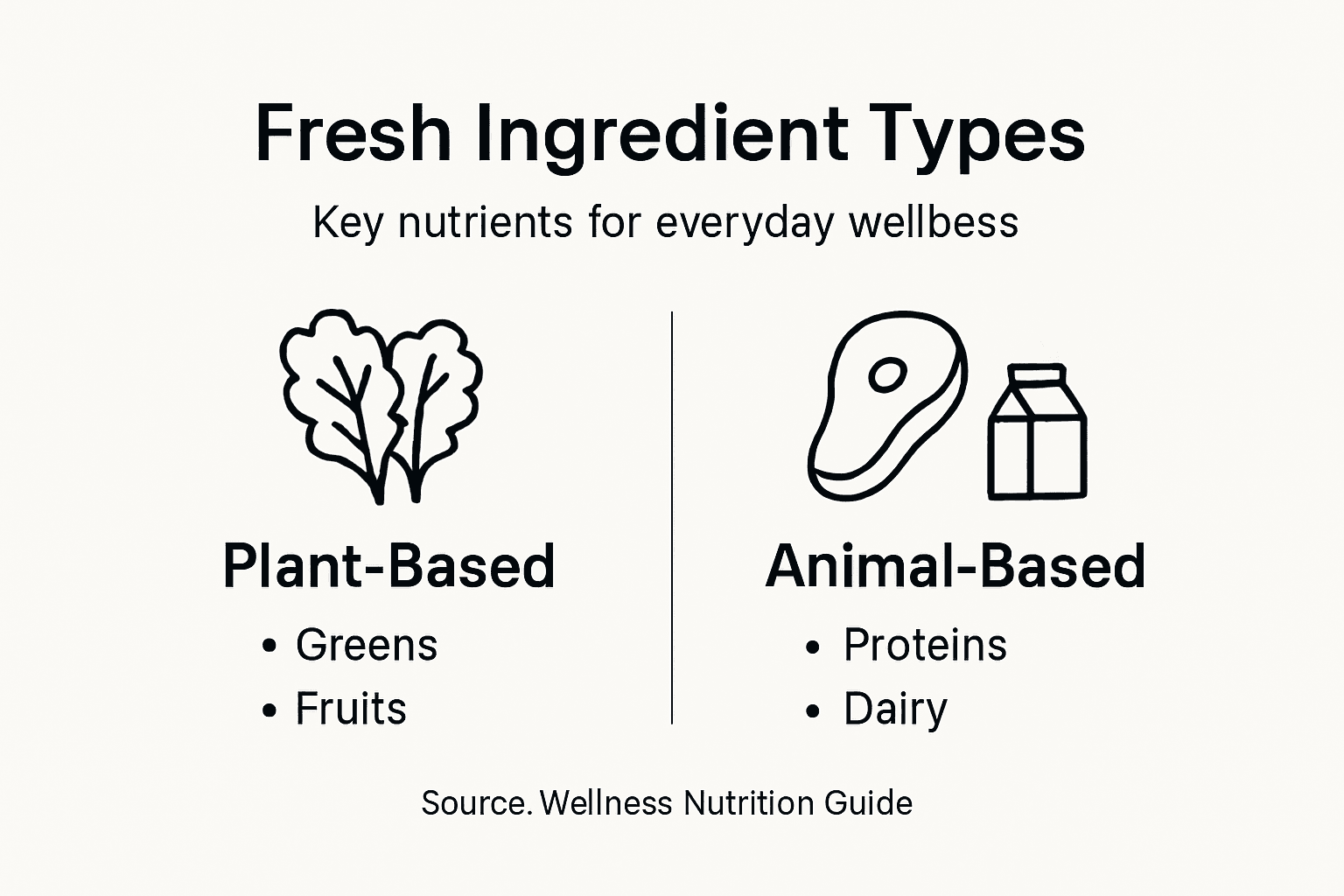
For a busy professional in Bucharest juggling weight loss and muscle gain goals, understanding what nutrients do matters more than memorizing food lists. Vitamin A from orange vegetables improves recovery vision and immune function. Folate from leafy greens supports cellular repair and energy production during intense training. Potassium from fruits and vegetables regulates muscle contractions and prevents cramping. Iron from lean proteins and legumes carries oxygen to working muscles, directly impacting your workout intensity and endurance. When you choose fresh ingredients rich in these nutrients over processed alternatives, you’re not just eating food. You’re fueling biological systems that burn fat, build muscle, and sustain the energy you need for a demanding schedule.
Seasonality determines freshness and nutritional quality. A strawberry at peak season in spring contains far more vitamin C and antioxidants than a shipped, refrigerated strawberry in December. The same principle applies to every fresh ingredient. When you eat what’s in season locally, you get maximum nutrient density at minimum cost. Your body also adapts better to seasonal patterns, supporting your natural metabolic rhythms. Building meals around fresh seasonal ingredients means you’re eating optimally without overthinking it.
Here’s the practical breakdown for your meal selections: prioritize dark leafy greens for micronutrients and fiber, colorful vegetables for antioxidants that reduce exercise-induced inflammation, lean proteins for muscle building, and fresh berries for recovery support and sustained energy. These aren’t exotic choices. They’re the fundamentals that separate people getting results from those spinning their wheels with processed convenience foods.
Pro tip: Visit your local Bucharest farmers market weekly and buy whatever vegetables and proteins look best that day, then build your meal plan around those ingredients instead of forcing yourself to hunt for items out of season.
To help meal planning, here’s a reference table of fresh ingredient categories and their primary benefits:
| Category | Example Foods | Main Benefits |
|---|---|---|
| Fruits | Berries, apples, citrus | Immune support, fiber, antioxidants |
| Vegetables | Broccoli, kale, peppers | Micronutrients, muscle recovery |
| Lean Proteins | Fresh fish, chicken, legumes | Muscle building, complete amino acids |
| Herbs | Basil, parsley, dill | Added flavor, zero calories |
How Fresh Ingredients Impact Wellness
Fresh ingredients don’t just taste better. They fundamentally reshape how your body functions at the cellular level. When you consume fresh foods, you’re delivering bioactive compounds like antioxidants and anti-inflammatory agents directly into your system, where they interact with your biological processes to enhance performance and prevent disease. Your muscles recover faster because the nutrients arrive in their most potent form. Your immune system strengthens because vitamins and minerals haven’t been stripped away by processing. Your energy levels stabilize because you’re getting sustained nutrition instead of the blood sugar spikes that come from processed foods loaded with added sugars. Fresh ingredients provide essential nutrients in bioavailable forms that your body can actually absorb and use, unlike supplements that often sit in your system unabsorbed.
For your specific goals in Bucharest, understanding this impact means the difference between average fitness results and exceptional ones. When you’re chasing weight loss, fresh vegetables and lean proteins create satiety without excess calories. Your body feels fuller longer, so you naturally eat less without fighting constant hunger. When you’re building muscle, fresh proteins deliver complete amino acid profiles that your muscles demand for growth. The micronutrients in fresh vegetables reduce exercise-induced inflammation, accelerating recovery and allowing you to train harder the next day. Functional foods containing bioactive compounds interact with biological systems to enhance wellness, directly supporting your fitness progression. You’re not just eating. You’re strategically fueling adaptation and growth.
The cascade of benefits extends beyond the gym. Fresh ingredients support cardiovascular health, reduce chronic disease risk, and stabilize hormones that control appetite and metabolism. Your sleep improves because your nervous system gets the magnesium and nutrients it needs for proper rest. Your mental clarity sharpens because your brain receives consistent fuel without inflammatory spikes. Your skin clears because your body has the resources to repair and regenerate cells. These aren’t side benefits. They’re foundational to sustainable wellness that actually sticks.

The mechanism is simple: replace processed foods with fresh ingredients, and your body stops fighting against you. Stop. You shift from managing symptoms to supporting genuine biological health. Your results accelerate not because you’re working harder but because you’re finally giving your body what it actually needs.
Pro tip: When meal prepping, batch cook fresh proteins and vegetables at the start of your week, then assemble different combinations daily to stay consistent without boredom.
Fresh Vs. Processed: Health Implications
The choice between fresh and processed foods isn’t just about taste or convenience. It’s a direct decision about your long-term health trajectory. Processed foods typically contain elevated levels of salt, sugar, and unhealthy fats designed to maximize shelf life and palatability, not your wellbeing. Your body processes these ingredients differently than their fresh counterparts. A fresh chicken breast with steamed broccoli delivers protein and nutrients your muscles can immediately use. A packaged chicken nugget delivers calories, sodium, and inflammatory oils that your body must work to eliminate. Over time, these accumulated metabolic demands wear down your systems. Ultra-processed food consumption is associated with obesity, cardiovascular disease, and diabetes, according to comprehensive nutritional research. The difference isn’t marginal. It’s substantial.
For a busy professional in Bucharest targeting specific fitness outcomes, this distinction becomes critical. When you consume processed foods regularly, your body experiences constant metabolic stress. Your pancreas works overtime managing blood sugar spikes from refined carbohydrates. Your liver struggles to process artificial additives and excess sodium. Your cardiovascular system handles inflammatory responses triggered by unhealthy fats. Meanwhile, your muscles don’t get the clean nutrition they need for optimal recovery. Your fat loss plateaus because your body is too busy managing damage to focus on adaptation. Your strength gains stall because recovery is compromised. Fresh ingredients eliminate this background noise, allowing your body to actually respond to your training.
Replacing ultra-processed foods with fresh options reduces disease burden significantly across all measured health outcomes. The research spans mortality rates, cancer risk, metabolic function, and chronic disease development. This isn’t theoretical. People who make this switch experience measurable improvements within weeks. Energy levels increase. Bloating disappears. Recovery improves. Mental clarity sharpens. Weight loss accelerates. These aren’t coincidences. Your body finally has the resources to function optimally.
The practical reality: processed foods are engineered to be hyper-palatable and convenient, but this convenience comes at a physiological cost you’ll pay for years. Fresh ingredients require slightly more planning but deliver results that processed alternatives simply cannot match. Your future self will thank you for making this choice now.
Here’s a comparison of how fresh and processed ingredients impact key aspects of health and fitness:
| Aspect | Fresh Ingredients | Processed Ingredients |
|---|---|---|
| Nutrient Density | High levels of vitamins and minerals | Many nutrients lost during processing |
| Energy Delivery | Sustained and steady | Quick spikes, rapid crashes |
| Inflammation Risk | Reduces inflammation | Can increase inflammation |
| Satiety | Keeps you full longer | Less satisfying, leads to overeating |
| Disease Risk | Lowers chronic disease risk | Increases obesity, heart disease risk |
| Recovery Support | Accelerates muscle recovery | Slows down recovery processes |
Pro tip: Read ingredient lists on packaged foods and count how many items you can’t pronounce, then commit to replacing those products with whole, fresh alternatives one category at a time instead of attempting an overnight dietary overhaul.
Common Pitfalls In Ingredient Sourcing
When you’re serious about fresh ingredients, where they come from matters as much as what they are. Most people assume that any fresh vegetable or protein source is equally reliable, but ingredient sourcing involves critical decisions about supplier selection, quality verification, and supply chain transparency. Many meal delivery services and retailers fail at this fundamental level. Inadequate supplier vetting leads to inconsistent quality. One week your chicken is tender and flavorful. The next week it tastes dry and oxidized because it came from a different farm or sat in transit longer. Ignoring supply chain transparency means you don’t know if your “fresh” vegetables were sprayed with pesticides, stored improperly, or shipped thousands of miles in refrigerated containers. Undervaluing sustainability creates sourcing relationships with suppliers who cut corners on quality to maximize profit margins. Rigorous supplier vetting and frequent audits maintain ingredient integrity and ensure you actually receive what you’re paying for. Without these practices, inconsistent product quality and supply delays become inevitable.
For busy professionals in Bucharest relying on meal solutions, this matters directly to your results. You’re paying for fresh ingredients because they deliver specific nutritional outcomes. If your protein source isn’t actually fresh or your vegetables were harvested days ago and stored poorly, you’re not getting those outcomes. Your muscles don’t recover as well. Your fat loss slows. Your energy crashes. The sourcing failures happen invisibly, so you blame yourself for lack of discipline rather than recognizing the ingredient quality problem. Supply chain disruptions, food fraud risks, and lack of transparency plague the food industry, affecting the quality of what reaches your plate.
The most dangerous pitfall: assuming any business claiming to use “fresh ingredients” actually maintains sourcing standards. Marketing language is cheap. Actual sourcing integrity requires expensive infrastructure, constant audits, and relationships with reliable suppliers. Businesses cutting corners use vague language like “quality ingredients” while sourcing from the lowest-cost suppliers available. Businesses committed to actual quality document their supplier relationships, conduct regular quality checks, and stand behind their sourcing practices.
When evaluating a meal service or ingredient source, ask direct questions. Where does the protein come from? How frequently is it sourced? What documentation exists verifying quality and safety? If they can’t answer clearly, they’re not prioritizing the ingredient quality that actually delivers your results.
Pro tip: When selecting a meal delivery service, ask specifically how old their ingredients are when delivered and request their supplier documentation before committing, as this directly impacts the nutritional quality you receive.
Unlock Your Potential with Fresh, Nutrient-Dense Meals
The challenge of maintaining wellness while balancing a busy life in Bucharest is real. This article highlights how fresh ingredients deliver vital nutrients that fuel muscle growth, support recovery, and sustain energy without the harmful downsides of processed foods. If you find yourself fighting fatigue or stalled progress despite your hard work, the root cause may be the quality of your meals. Incorporating fresh, seasonally sourced proteins, vegetables, and whole grains is essential for transforming your fitness journey and overall health.
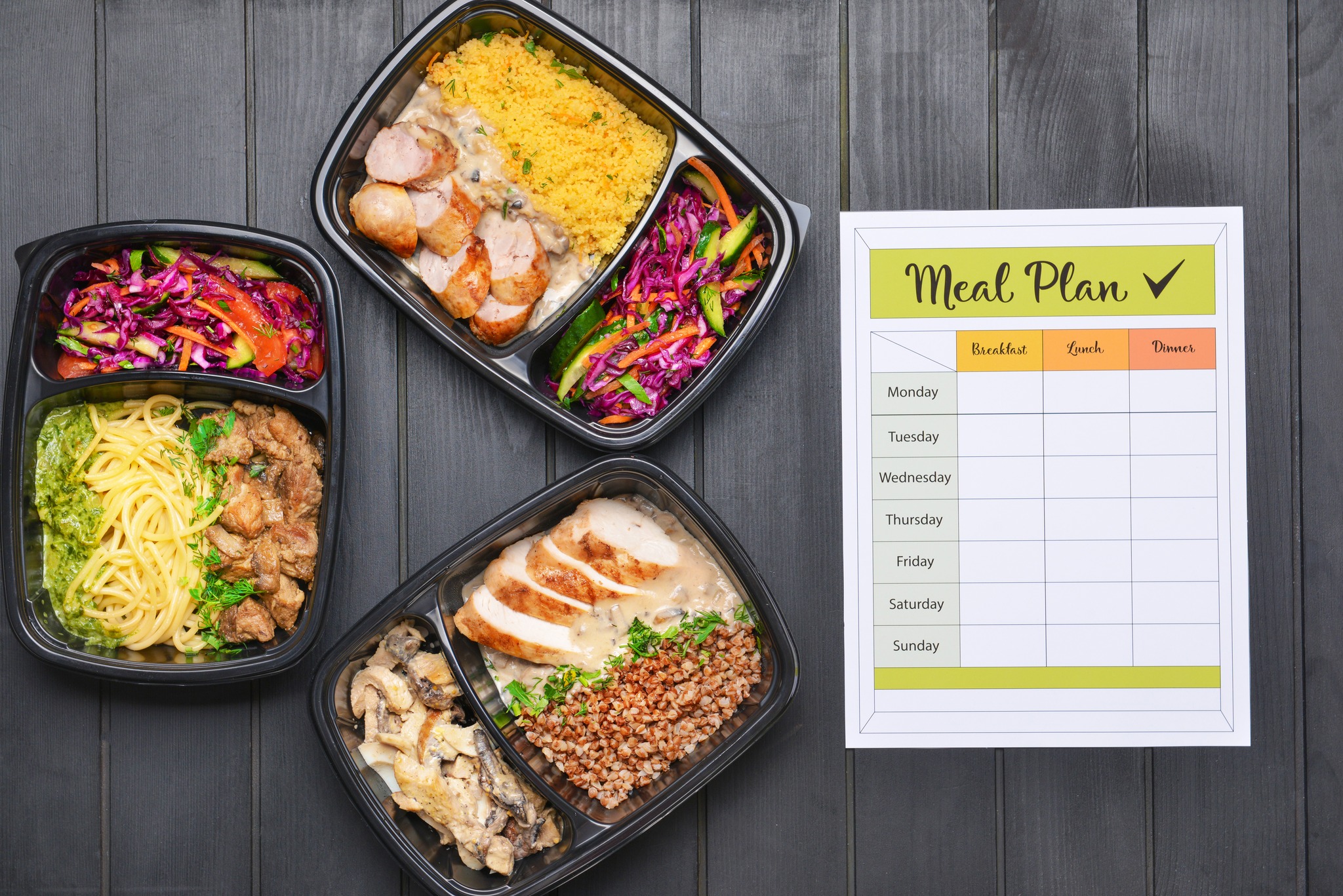
Take control of your nutrition with Fresh Fitness Food, where every meal is designed around fresh, macro-balanced ingredients tailored specifically to your goals like weight loss, muscle gain, or detox. Avoid the guesswork and inconsistency of sourcing ingredients yourself. Our personalized meal solutions provide the fresh nutrients your body needs to perform at its best every day. Experience the convenience of professionally prepared meals combined with expert lifestyle coaching to accelerate your results. Don’t wait to optimize your health and energy. Explore our meal plans and start fueling your success now at Fresh Fitness Food.
Frequently Asked Questions
What are fresh ingredients?
Fresh ingredients are minimally processed foods at their peak flavor and nutritional value, retaining most of their vitamins, minerals, and dietary fiber. They include fruits, vegetables, lean proteins, whole grains, and low-fat dairy products.
How do fresh ingredients impact my health and fitness?
Fresh ingredients provide essential nutrients in bioavailable forms that support muscle recovery, boost immune function, stabilize energy levels, and lower the risk of chronic diseases. They help you achieve your fitness goals more effectively compared to processed foods.
Why is it important to choose fresh ingredients over processed foods?
Choosing fresh ingredients reduces inflammation, provides higher nutrient density, and promotes better satiety. This choice helps manage weight, supports recovery, and enhances overall health, unlike processed foods, which can lead to health issues over time.
What nutrients should I prioritize when selecting fresh ingredients?
Focus on key nutrients such as vitamin C from fruits, potassium from vegetables, complete amino acids from lean proteins, and antioxidants from colorful plant foods. These nutrients work together to support your fitness and wellness goals.