

Healthy Eating Trends 2026: What’s Changing Now
Every week, balancing demanding work in Bucharest with training sessions leaves little room for confusing or restrictive diets. This is why the shift toward affordable, functional nutrition and preventative health is changing everything for health-focused professionals. The latest eating trends for 2026 are not just about food rules but about supporting sharper focus, stronger recovery, and lasting energy. Discover how the new approach combines real-life meal strategies and global innovation so your nutrition works as efficiently as you do.
Table of Contents
- Healthy Eating Trends 2026 Explained
- Types and Innovations in 2026 Nutritional Choices
- Gut Health, Protein, and Satiety Frontiers
- GLP-1 Medications and Changing Meal Patterns
- Balanced Diets, Sustainability, and Mindful Eating
- Potential Risks, Pitfalls, and Common Misconceptions
Key Takeaways
| Point | Details |
|---|---|
| Personalized Nutrition is Key | Tailored meal plans are becoming essential for busy professionals, focusing on individual fitness goals and nutritional needs. |
| Emphasis on Functional Foods | Foods that promote gut health, immunity, and cognitive performance are prioritized over calorie counting. |
| Smaller, Quality Portions | The trend toward smaller, nutrient-dense meals enhances satisfaction without overwhelming the digestive system. |
| Sustainable Eating Matters | Sustainable and locally sourced foods are becoming integral, benefiting both personal health and the environment. |
Healthy Eating Trends 2026 Explained
The way you eat is shifting dramatically. What matters to busy professionals in Bucharest now is different from even two years ago. Global nutrition research shows that food for health and longevity is reshaping priorities, with a focus on living better, not just longer. This isn’t about restrictive diets or exhausting meal prep routines. It’s about making choices that work with your lifestyle, not against it. The 2026 eating landscape emphasizes affordable, functional nutrition paired with preventative health. This means your meal choices are increasingly designed to support immunity, gut health, and cognitive performance rather than just hitting calorie targets.
What’s driving these changes? Two primary forces are reshaping how you should think about nutrition. First, younger professionals and health-conscious individuals are rejecting additives and processed ingredients, demanding transparency about what goes into their bodies. Second, mental and physical well-being concerns now directly influence dietary choices. Weight management remains critical, but it’s no longer the only goal. Your body’s ability to focus during demanding work days, recover from training sessions, and maintain stable energy throughout the week has become equally important. Plant-based proteins are gaining traction not because they’re trendy, but because they deliver results while reducing inflammation and supporting digestive health. When you’re managing a career and fitness goals simultaneously, your meals need to work harder for you.
Here’s what this means for your actual eating strategy. Personalized nutrition tailored to your specific goals and fitness level is no longer a luxury—it’s becoming standard. This is why customized meal plans that adapt to your macronutrient needs, dietary preferences, and weight management objectives matter more than generic nutritional advice. Preventative health through nutrition means eating to avoid illness and optimize performance, not just responding to problems after they develop. The shift toward natural wellness approaches reflects a deeper understanding: sustainable results come from aligning your food choices with your body’s actual needs, not forcing compliance with trendy restrictions.
Pro tip: Track how your energy, focus, and workout recovery respond to different meal compositions for two weeks, then adjust your macronutrient ratios based on real results rather than general recommendations—this personalization is what separates 2026 nutrition strategy from outdated one-size-fits-all approaches.
Here is a comparison of key 2026 healthy eating trends and their practical impacts for busy professionals:
| Trend Focus | What Changes Most | Practical Impact |
|---|---|---|
| Personalized Nutrition | Custom meal plans | Supports unique fitness goals |
| Functional Ingredients | More gut-support foods | Enhances immunity and digestion |
| Portion Optimization | Smaller, dense meals | Reduces overeating, boosts energy |
| Sustainable Eating | Local, seasonal picks | Lowers environmental footprint |
| Mindful Eating | Meal experience focus | Improves energy and satisfaction |
Types and Innovations in 2026 Nutritional Choices
The food you choose in 2026 looks different from what dominated five years ago. It’s not just about picking salads or protein shakes anymore. The innovation wave focuses on what your body actually needs to perform. Satiety-focused meal design is reshaping how meals are constructed, prioritizing foods that keep you satisfied longer and prevent energy crashes during your workday. This matters significantly for busy Bucharest professionals managing demanding schedules. Instead of fighting hunger between meals, you’re eating strategically designed combinations that stabilize your blood sugar and mental clarity. The shift emphasizes that healthy food no longer means restriction or deprivation—it means eating smarter portions of foods that actually work with your body’s chemistry.
What’s actually changing in the types of food gaining traction? Healthy food now emphasizes functionality and energy, not just calorie counting. Prebiotics and probiotics have moved from health store obscurity into mainstream meal planning because professionals realize gut health directly affects immunity, mood, and focus. You’re seeing meal innovations built around ingredients that boost cognitive clarity and digestive comfort rather than just trimming body weight. Cultural authenticity and identity in food choices are driving rapid product development, meaning meals increasingly reflect diverse global cuisines adapted for modern nutritional needs. A Bucharest professional might now choose Mediterranean proteins with Asian fermented vegetables, combining traditional wisdom with contemporary performance nutrition. This isn’t fusion for fusion’s sake—it’s selecting ingredients backed by real functional benefits.
The practical reality? Innovation in 2026 nutritional choices centers on balance and prevention rather than elimination. You’re seeing meal designs that combine satiety, nutrition density, and cultural appeal simultaneously. Plant-based options aren’t competing with animal proteins—they’re complementing them based on your specific fitness and health objectives. Functional ingredients that support digestive health and mental performance are becoming standard rather than premium add-ons. The meals that succeed in 2026 deliver visible results: better recovery times, sustained energy, clearer thinking, and gradual body composition changes without the yo-yo cycle of restrictive dieting.
Pro tip: Start identifying which ingredients make you feel most energized and mentally sharp for 48 hours after eating, then build your meal selections around those proven performers rather than following generic nutritional rules.
Gut Health, Protein, and Satiety Frontiers
Three interconnected priorities are reshaping how you should eat in 2026, and they work together more effectively than pursuing them separately. Your gut health directly influences your energy, immunity, and mental clarity, making it foundational to every meal decision. Protein remains essential, but the sources matter more than the quantity alone. Protein sourcing now emphasizes diverse options including plants, fermentation-derived proteins, and sustainable animal sources rather than relying on single protein types. This diversity isn’t about ethics alone—it’s about building a microbiome that thrives. When you rotate protein sources throughout your week, you’re feeding different beneficial bacteria in your gut, strengthening immunity and digestion simultaneously. For busy Bucharest professionals juggling intense work schedules, this means choosing varied protein at lunch and dinner instead of eating the same chicken breast repeatedly.
Satiety is the often-overlooked frontier that changes everything about sustainable eating. You can’t stick to goals based purely on willpower, but you absolutely can succeed when meals physically and emotionally satisfy you. Sensory satisfaction and nutrient density now drive meal design more than calorie counting. Textural variety, diverse flavors, and visual appeal make meals fulfilling in ways that transcend nutritional math. A meal combining crispy vegetables, creamy legume-based protein, fermented elements for gut support, and aromatic herbs delivers satiety that lasts hours. This approach supports appetite control naturally, reducing the constant battle against hunger. Your brain registers fullness through multiple sensory channels simultaneously, meaning a well-designed meal keeps you satisfied without rigid portion restrictions.

How do these three elements work together practically? Prebiotics and probiotics support your digestive system’s ability to absorb nutrients efficiently from diverse protein sources. Fiber-rich carbohydrates increase meal volume and promote satiety while feeding beneficial gut bacteria. Plant-based and fermented proteins offer compounds that reduce inflammation in your digestive tract. When you design meals integrating all three priorities, you’re not just eating nutrition facts—you’re building a system that self-regulates appetite, stabilizes energy, and strengthens immunity. A Mediterranean bowl with Greek yogurt, legume-based protein, fermented vegetables, whole grains, and herbs hits all three frontiers simultaneously. For professionals managing fitness goals alongside demanding careers, this integration eliminates the exhausting complexity of balancing separate nutritional objectives.
See how protein sources differ for variety, gut health, and sustainability:
| Protein Type | Gut Health Benefit | Sustainability Impact |
|---|---|---|
| Plant-Based (e.g., legumes) | Supports diverse gut bacteria | Lower carbon footprint |
| Fermented Proteins | Adds probiotics to meals | Often uses less resources |
| Sustainable Animal | High in bioavailable protein | Reduced-impact livestock |
| Rotating Sources | Enhances microbiome diversity | Maximizes nutritional balance |
Pro tip: Build each meal with three components: a protein source you haven’t eaten in at least three days, at least two different textures, and one fermented or prebiotic-rich ingredient—this automatic structure ensures you’re optimizing all three frontiers without overthinking decisions.
GLP-1 Medications and Changing Meal Patterns
A significant shift is happening in how people approach eating, and it’s driven partly by medications that reduce appetite and reshape food culture. GLP-1 medications are reshaping portion sizes and dining habits even among those not using them, because the cultural conversation around food is changing. What started as a medical intervention is becoming a broader influence on meal design and restaurant menus. This matters for busy Bucharest professionals because it’s accelerating the shift toward quality over quantity, which aligns perfectly with efficient meal planning for fitness goals. Restaurants and meal delivery services are adapting menus to emphasize smaller, nutrient-dense portions because consumer expectations have fundamentally changed. You’re seeing fewer bloated portions and more thoughtfully designed meals that satisfy without overwhelming your digestive system.
The practical impact on your eating patterns is more immediate than you might think. Smaller portions paired with higher quality ingredients are becoming the norm rather than the exception. People eating less frequently but selecting better quality foods means restaurants and meal services are investing in ingredient quality and preparation methods. The shift away from eating out constantly toward more selective restaurant choices creates space for strategic meal planning. For professionals managing fitness and weight goals, this trend actually works in your favor. Instead of fighting the cultural pressure to eat larger restaurant portions, you can embrace the emerging preference for smaller, precisely calibrated meals designed to deliver maximum nutrition in appropriate serving sizes.
What does this mean for your actual meal strategy? The focus is shifting from calorie restriction to metabolic optimization and nutrient timing. Meals are increasingly designed around when your body most effectively uses specific nutrients, not just how many calories they contain. Personalized meal plans that account for your specific activity levels, fitness goals, and even sleep patterns are gaining traction because they address the real mechanisms driving body composition and performance. A carefully designed 400-calorie meal eaten at the right time might deliver better results than a generic 500-calorie meal eaten whenever convenient. The cultural normalization of smaller portions means you can select meals that are genuinely sufficient rather than feeling deprived by smaller serving sizes. This trend supports the move toward quality meal delivery services offering precisely portioned, nutrient-optimized options rather than generic bulk meals.
Pro tip: Shift your mindset from “how much” to “what time” and “what combination”—design your meals around when you train, when you work intensely, and when you need sustained energy, allowing smaller, strategic portions to deliver superior results compared to larger random meals.
Balanced Diets, Sustainability, and Mindful Eating
The conversation around healthy eating has fundamentally shifted. It is no longer just about your personal health metrics or weight loss targets. Balanced diets now integrate personalized nutrition with sustainability, treating food as medicine while considering planetary impact. For busy Bucharest professionals, this means making choices that support your fitness goals, energy levels, and digestive health while reducing environmental strain. Sustainable eating practices address a real tension: you want nutrient-rich meals that fuel your performance, and you also recognize that your food choices ripple outward. The good news is that these goals align beautifully. Local, seasonal, minimally processed foods that support sustainable agriculture also tend to be more nutrient-dense and better for your digestion than highly processed alternatives. Your body and the planet benefit from the same shifts.
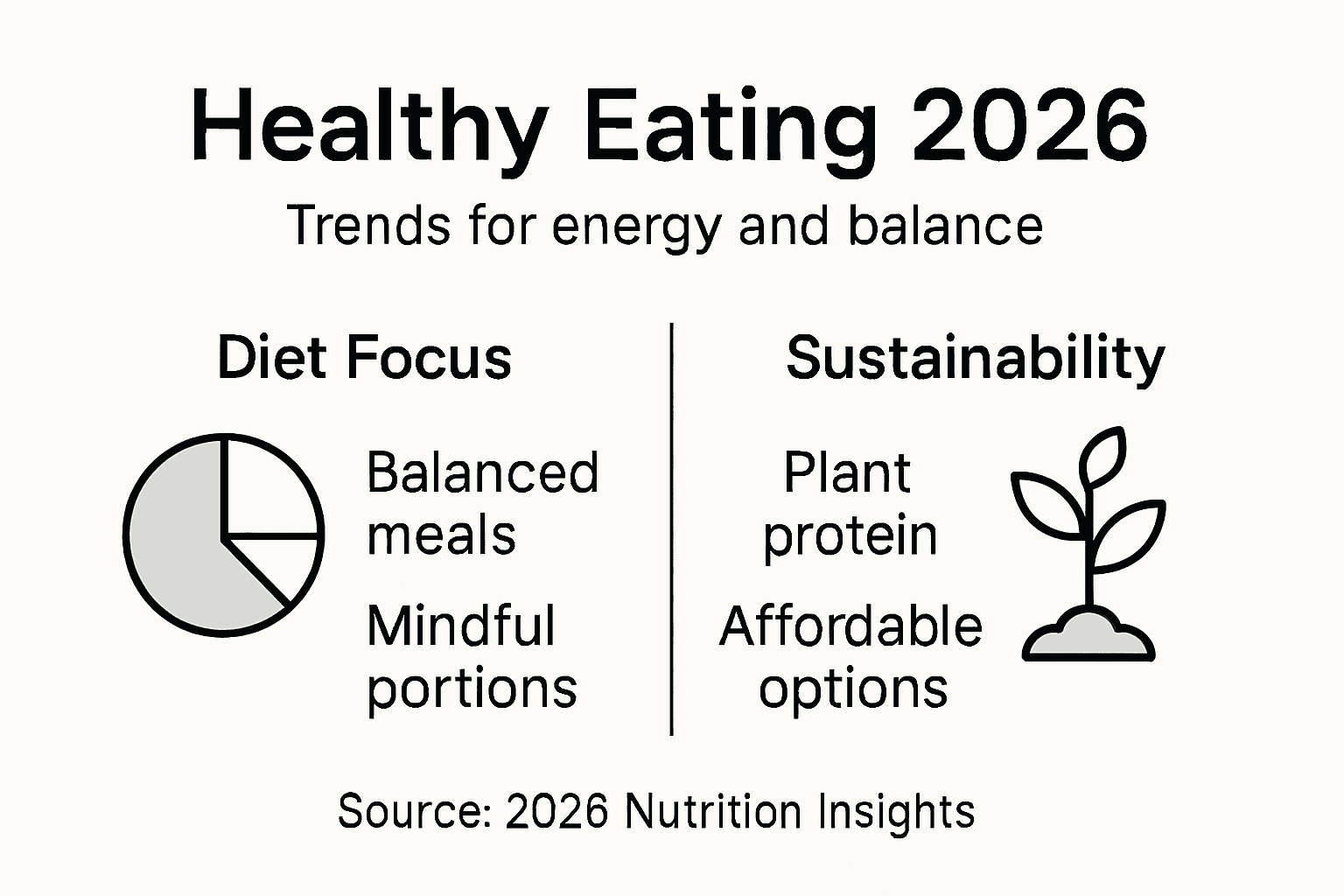
Mindful eating transforms how you experience meals. It is not about restriction or punishment. Instead, it is about connecting each meal choice to how you actually feel afterward—your energy, digestion, mental clarity, and recovery from training. Mindful eating emphasizes digestion and energy over weight loss alone, creating a positive feedback loop. When you pay attention to which meals make you feel sharp during afternoon meetings and which ones leave you sluggish, you start building genuine understanding rather than following generic rules. A meal that checks nutritional boxes on paper might leave you bloated or foggy. A slightly different composition might deliver the exact energy, focus, and physical comfort you need. This awareness drives better choices naturally, without the exhausting willpower required by restriction-based diets. For professionals managing demanding careers alongside fitness goals, mindful eating becomes your competitive advantage because you are optimizing based on real performance outcomes.
What does this integration look like practically? Nutrition equity and affordability are central to the 2026 approach. Sustainable does not mean expensive. Affordable, nutrient-dense meals aligned with sustainable food systems are increasingly accessible through meal delivery services, community agriculture programs, and strategic shopping. You can build balanced meals around seasonal vegetables, legumes, and modest amounts of quality protein without premium pricing. The shift toward personalized nutrition means your meal plan accounts for your specific activity level, fitness goals, and environmental preferences. You might prioritize plant-based proteins most days for sustainability while including quality animal proteins when it supports your training recovery. This flexibility makes sustainability achievable rather than idealistic. Balanced eating in 2026 means creating a system you can sustain indefinitely, supporting your health, your performance, and your values simultaneously.
Pro tip: Audit your current meals for one week, noting which ones leave you genuinely satisfied and energized versus which ones cause afternoon crashes or digestive discomfort—then identify the sustainable ingredient swaps that preserve the satisfying meals while reducing environmental impact.
Potential Risks, Pitfalls, and Common Misconceptions
The 2026 nutrition landscape is packed with legitimate innovations, but it is equally packed with misconceptions that can derail your progress. The biggest mistake is assuming that new trends work identically for everyone. Metabolic eating and GLP-1 medication discussions often overlook individual biological variations, leading people to adopt strategies that might work brilliantly for their friend but completely miss their own physiology. Your genetics, gut microbiome composition, activity level, stress patterns, and sleep quality all influence how your body responds to specific macronutrient ratios, meal timing, and food choices. A personalized approach that accounts for your specific situation beats any trendy one-size-fits-all solution. Another critical misconception involves expecting rapid transformation from 2026 trends. The marketing around new nutrition strategies sometimes implies that simply eating certain foods or timing meals differently will produce dramatic results. Reality is more nuanced. Sustainable body composition changes, improved energy, better digestion, and enhanced mental clarity develop gradually through consistent, personalized nutrition aligned with your actual lifestyle and training.
Practical risks emerge when people implement trends without understanding their foundations. Improper diet timing, for example, sounds simple until you realize timing is relative to your specific training schedule, work demands, and digestive patterns. Eating your largest meal at midnight might be marketed as “metabolic eating” but could sabotage sleep quality, which then undermines recovery and hormone regulation. Similarly, overlooking nutrient quality in pursuit of macronutrient targets creates nutritional illusions where your numbers look correct on paper but your body experiences deficiencies. A meal hitting your protein target from highly processed sources delivers vastly different results than the same protein from whole foods rich in micronutrients and bioactive compounds. The sustainability problem compounds when you adopt restrictions so severe that you cannot maintain them beyond a few weeks. Yo-yo cycling through different eating patterns actually worsens your metabolic flexibility and increases injury risk during training.
The most subtle pitfall involves overestimating benefits from single trends. Gut health is genuinely important, but probiotics alone will not transform your digestion if you are also chronically stressed, sleeping poorly, or eating in a way that triggers inflammation. Protein is essential for muscle recovery, but excessive protein without adequate micronutrition, hydration, and recovery time will not accelerate results. Sustainable eating is ethically important, but sustainability at the expense of adequate nutrition for your specific goals becomes counterproductive. The trends work when integrated into a comprehensive system addressing sleep, stress, training recovery, hydration, and personalized nutrition simultaneously. This is why working with professionals who understand your individual context matters far more than chasing the trend itself. Your skepticism toward one-size-fits-all promises is healthy; your commitment to finding what actually works for your body and lifestyle is what drives results.
Pro tip: Before adopting any 2026 nutrition trend, test it for two weeks while tracking one clear outcome variable—energy levels, training performance, digestion quality, or body composition—rather than expecting immediate transformation across multiple metrics simultaneously.
Take Control of Healthy Eating Trends with Personalized Meal Solutions
Navigating the new landscape of healthy eating in 2026 can feel overwhelming, especially when you are balancing demanding work schedules and fitness goals. The article highlights challenges like finding personalized nutrition, managing portion sizes, and optimizing gut health and energy through functional ingredients. If you want to avoid generic meal plans and embrace a lifestyle that truly supports your immunity, cognitive clarity, and sustained energy, it is critical to take action now.
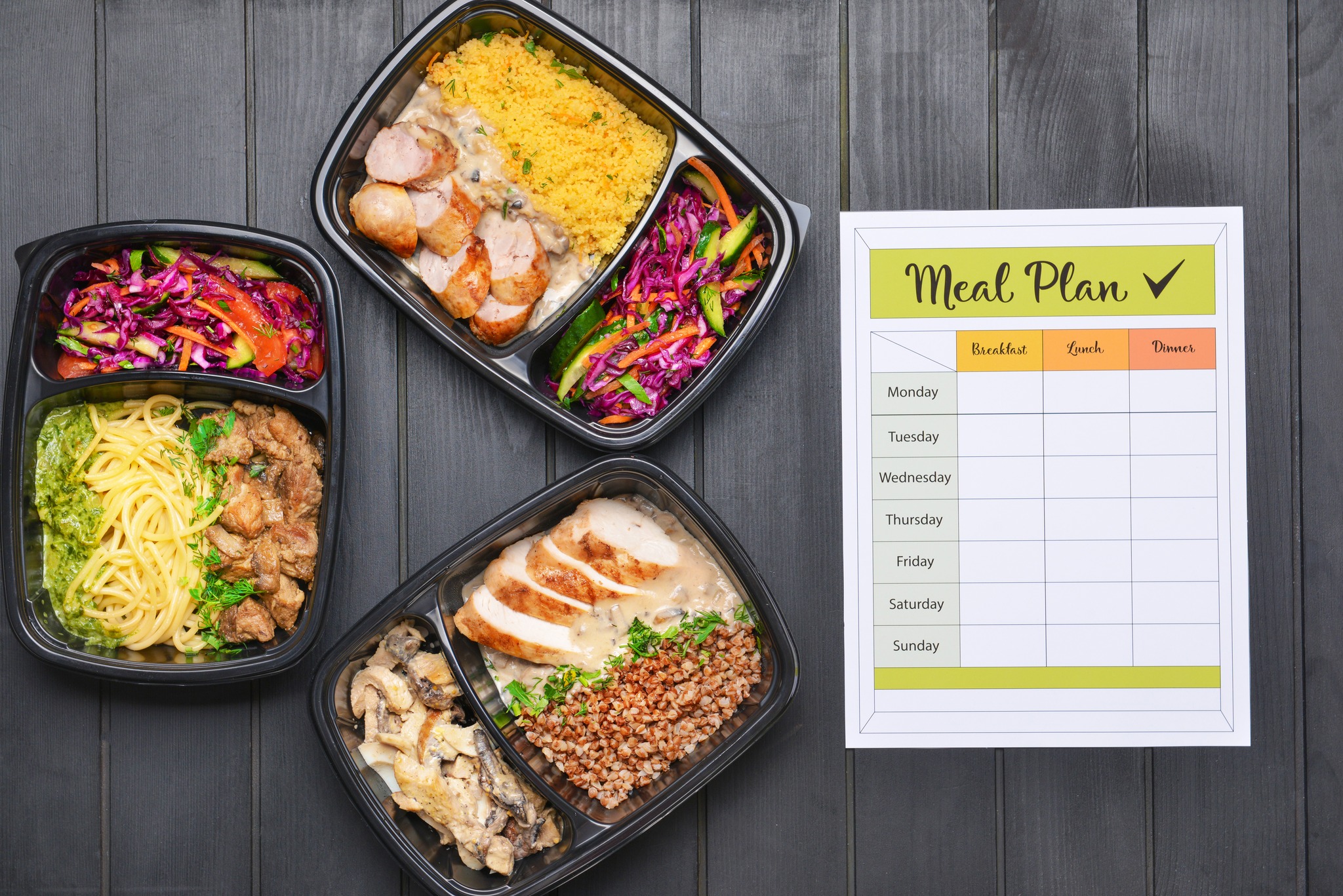
Discover how Fresh Fitness Food provides fresh, macro-balanced meals tailored to your unique needs and fitness objectives. Our options are designed to match the evolving trends of 2026 such as personalized nutrition, functional ingredients, and mindful portion optimization. You can explore customizable meal plans focused on weight loss, muscle gain, keto, vegan, and detox programs that fit perfectly with your busy Bucharest lifestyle. Don’t wait to fuel your body with meals that deliver real results and support your overall wellness. Visit Fresh Fitness Food and start experiencing the benefits of nutrition made simple and effective today.
Frequently Asked Questions
What are the key trends in healthy eating for 2026?
The main trends include personalized nutrition, functional ingredients, smaller and denser meal portions, sustainable eating practices, and a focus on mindful eating. Each of these trends aims to optimize health and wellness while accommodating busy lifestyles.
How does personalized nutrition differ from traditional meal plans?
Personalized nutrition tailors meal plans to individual goals, fitness levels, and dietary preferences, rather than offering generic advice. This customization allows individuals to meet their specific health and performance objectives more effectively.
Why are plant-based proteins becoming more popular in meal plans?
Plant-based proteins are rising in popularity due to their anti-inflammatory properties, support for digestive health, and their effectiveness in sustaining energy levels. They complement traditional proteins rather than replace them, aligning with modern nutritional needs.
How do GLP-1 medications influence meal portion sizes?
GLP-1 medications have shifted cultural perceptions around portion sizes by promoting smaller, more nutrient-dense meals. This shift encourages quality over quantity, leading to more strategic meal planning that supports fitness goals and well-being.