

Why Eat Fresh Meals – Impact on Energy and Health
Long workdays and demanding training sessions often leave little energy for thoughtful meal prep. For professionals and athletes in Bucharest, finding meals that are both fresh and align with health goals can feel like a challenge. Choosing meals built around whole, unprocessed ingredients means you support weight management and athletic recovery without sacrificing time or good nutrition. This guide breaks down exactly what makes a meal truly fresh and nutritious, giving you practical strategies for eating well even with a packed schedule.
Table of Contents
- What Makes A Meal Fresh And Nutritious
- Nutritional Benefits Of Freshly Prepared Meals
- How Fresh Meals Support Fitness Goals
- Risks Of Processed And Pre-Packaged Foods
- Comparing Fresh Meals To Convenience Alternatives
Key Takeaways
| Point | Details |
|---|---|
| Fresh Meals Enhance Nutritional Quality | Prioritizing whole, unrefined ingredients and mindful cooking techniques significantly increases nutrient retention and overall meal quality. |
| Cooking Methods Matter | Techniques like steaming and light sautéing help maintain the nutritional integrity of meals, maximizing health benefits. |
| Avoid Processed Foods | Reducing reliance on processed and pre-packaged foods can lower health risks associated with excessive additives and poor nutritional profiles. |
| Fresh Meals Support Fitness Goals | Nutrient-dense meals are crucial for optimizing athletic performance and recovery, helping individuals achieve their fitness objectives more effectively. |
What Makes a Meal Fresh and Nutritious
A fresh and nutritious meal transcends simple food preparation – it represents a holistic approach to sustaining optimal health through carefully selected ingredients and mindful cooking techniques. Understanding the core principles that define meal freshness helps professionals and fitness enthusiasts make smarter dietary choices.
According to UNESCO’s nutritional guidelines, fresh meals are characterized by several key attributes:
- Minimal processing
- High nutrient density
- Use of whole, unrefined ingredients
- Prepared using techniques that preserve nutritional integrity
- Sourced from local, high-quality produce
The World Health Organization emphasizes that nutritional quality depends on multiple factors, including ingredient selection, preparation method, and overall balance. A truly fresh meal involves more than just recent preparation – it requires a strategic approach to ingredient sourcing and cooking.
Key indicators of a fresh, nutritious meal include:
- Whole food ingredients
- Limited time between harvest and preparation
- Minimal chemical additives
- Balanced macronutrient profile
- Cooking methods that preserve nutrient content
Cooking techniques like steaming, light sautéing, and quick roasting help maintain the nutritional integrity of ingredients. These methods prevent nutrient degradation while enhancing flavor and digestibility.
The following table summarizes cooking techniques and their impact on nutrient retention:
| Cooking Technique | Nutrient Retention | Texture/Flavor Benefit |
|---|---|---|
| Steaming | Very high | Maintains crispness, color |
| Light sautéing | High | Enhances flavors gently |
| Quick roasting | Moderate to high | Adds caramelization |
| Deep frying | Low | Reduces some nutrients, heavy flavor |
| Boiling | Moderate to low | Soft texture, nutrient loss in water |
Fresh meals are not just about taste – they’re a fundamental investment in your body’s long-term performance and wellness.
Nutrition experts recommend prioritizing meals that combine diversity, balance, and minimal processing. Healthy dietary principles suggest focusing on unprocessed foods rich in vitamins, minerals, and essential nutrients.
Pro tip: Select ingredients within 24-48 hours of preparation and choose cooking methods that preserve nutritional density for maximum health benefits.
Nutritional Benefits of Freshly Prepared Meals
Freshly prepared meals represent far more than just a dietary choice – they are a strategic approach to optimizing personal health and wellness. Home-cooked meals offer superior nutritional advantages that extend beyond basic sustenance, delivering comprehensive benefits for physical and mental performance.
Research reveals multiple compelling advantages of freshly prepared meals:
- Higher whole food content
- Greater nutrient preservation
- Lower processed ingredient percentage
- More controlled portion sizes
- Enhanced metabolic efficiency
- Reduced exposure to artificial additives
Compared to ready-made alternatives, fresh meal preparation significantly impacts nutritional quality. Scientific studies comparing meal types consistently demonstrate that home-cooked meals contain fewer processed ingredients and maintain higher nutritional integrity.
The nutritional benefits extend beyond physical health. Fresh meals contribute to improved mental well-being, reduced inflammation, and more stable energy levels. By controlling ingredients and cooking methods, individuals can optimize their dietary intake more effectively than relying on pre-packaged alternatives.
Fresh meals are a direct investment in your body’s long-term performance and vitality.
Key nutritional advantages include enhanced micronutrient absorption, better macronutrient balance, and increased overall dietary quality. Cooking techniques like steaming, light sautéing, and minimal processing help preserve the natural nutritional profile of ingredients.
Pro tip: Prioritize meals prepared within 24 hours using whole ingredients, focusing on diverse nutrient sources and minimal heat processing to maximize nutritional benefits.
How Fresh Meals Support Fitness Goals
Fitness enthusiasts understand that nutrition is the cornerstone of athletic performance and body composition. Nutrient-dense fresh meals directly impact workout effectiveness by providing essential vitamins, minerals, and high-quality proteins crucial for muscle repair and energy metabolism.
Key nutritional strategies for supporting fitness goals include:
- Optimizing protein intake for muscle recovery
- Balancing macronutrients for sustained energy
- Reducing inflammation through whole food sources
- Supporting metabolic efficiency
- Enhancing hormonal regulation
- Improving workout performance and endurance
Targeted nutrition plays a critical role in achieving fitness objectives. Healthy diet principles emphasize that proper nutrition directly correlates with physical performance, muscle development, and overall athletic potential.
Fresh meals provide comprehensive benefits beyond basic sustenance. They deliver bioavailable nutrients that support muscle growth, accelerate recovery, and maintain consistent energy levels throughout intense training cycles. By controlling ingredient quality and preparation methods, athletes can fine-tune their nutritional intake for maximum performance.
Nutrition is the hidden variable that transforms good workouts into exceptional athletic achievements.
The strategic consumption of fresh, nutrient-rich meals helps regulate metabolism, reduce exercise-induced inflammation, and support long-term fitness goals. Carefully selected ingredients can optimize hormonal balance, enhance cognitive function, and provide the sustained energy required for high-intensity training.

Pro tip: Prepare meals with a balanced combination of lean proteins, complex carbohydrates, and healthy fats, focusing on whole food ingredients to maximize nutritional absorption and support your fitness journey.
Risks of Processed and Pre-Packaged Foods
Processed and pre-packaged foods represent a significant health challenge in modern nutrition. Ultra-processed food consumption links directly to chronic disease risks, creating complex health implications that extend far beyond simple nutritional deficiencies.
Key risks associated with processed foods include:
- Excessive added sugars
- High sodium content
- Increased inflammatory markers
- Disrupted metabolic processes
- Potential hormone interference
- Reduced nutrient bioavailability
- Higher likelihood of overconsumption
Nutritional research reveals multiple concerning mechanisms by which processed foods impact health. Scientific advisory committees highlight substantial health risks associated with frequent consumption of industrially manufactured food products.
The dangers of processed foods extend beyond basic nutritional concerns. These products often contain chemical additives, preservatives, and industrial ingredients that can trigger metabolic disruptions, potentially increasing risks for obesity, cardiovascular diseases, and systemic inflammation.
Processed foods are not just empty calories – they’re active agents that can fundamentally alter your body’s metabolic processes.
Nutritional experts emphasize that frequent consumption of pre-packaged meals can lead to complex physiological changes. The combination of high salt, sugar, and artificial ingredient content creates a perfect storm for potential long-term health complications.
Pro tip: Gradually replace processed foods with whole, fresh ingredients, focusing on minimally processed options that retain their natural nutritional profile and support overall metabolic health.
Comparing Fresh Meals to Convenience Alternatives
In the fast-paced world of modern nutrition, understanding the key differences between fresh meals and convenience alternatives is crucial for making informed dietary choices. Ready-made meals demonstrate significant nutritional compromises, revealing stark contrasts in nutritional value, cost, and environmental impact.
Key comparative factors between fresh and convenience meals include:
- Nutritional density
- Ingredient quality
- Preparation method
- Cost efficiency
- Environmental sustainability
- Long-term health impacts
- Customization potential
Nutritional integrity plays a critical role in meal selection. Life cycle assessments highlight significant differences between home-prepared and pre-packaged meals, demonstrating that convenience often comes at a substantial nutritional and environmental cost.
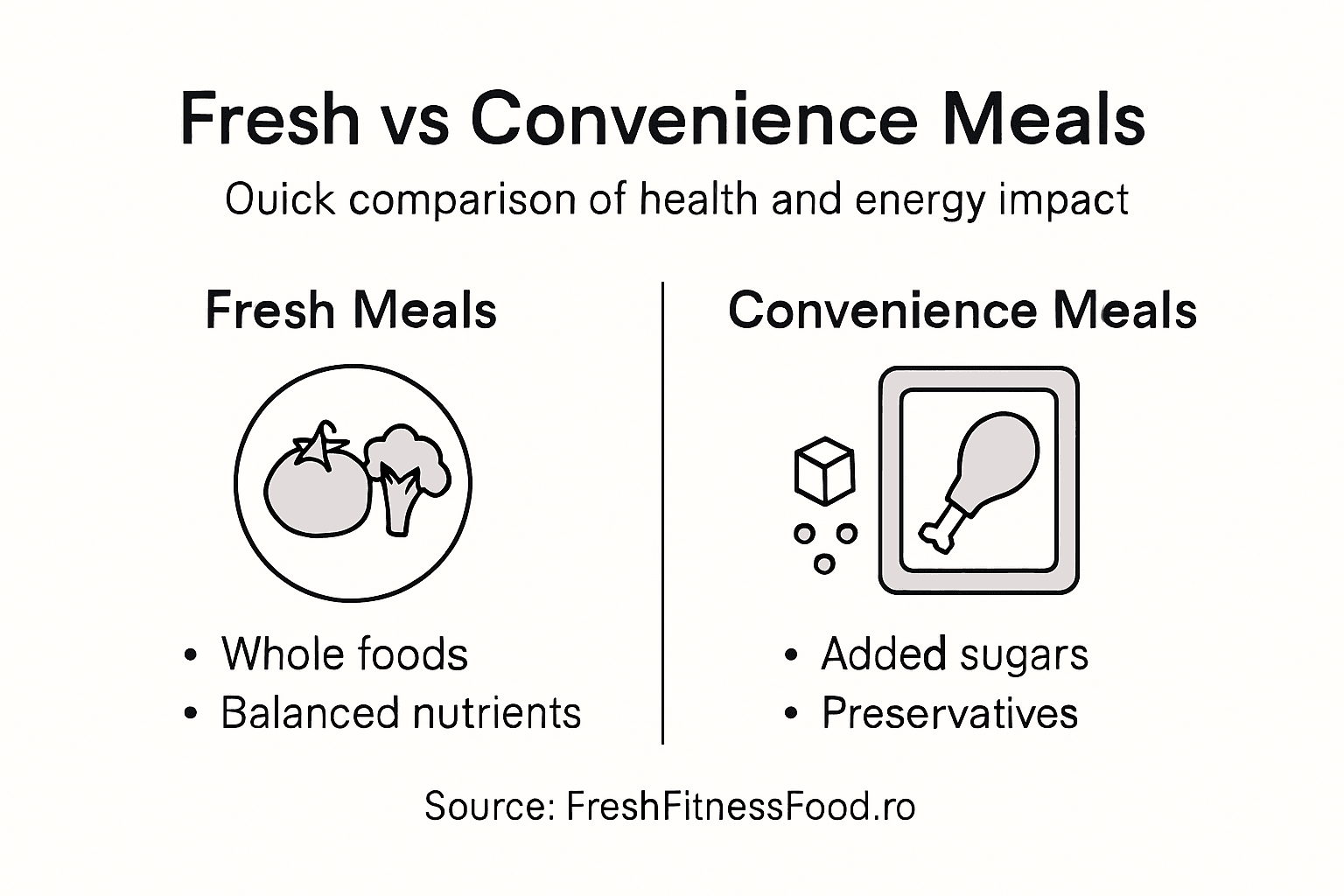
Convenience meals typically sacrifice nutritional quality for speed and ease of preparation. These pre-packaged options frequently contain higher levels of preservatives, added sugars, and sodium, while offering lower nutrient bioavailability compared to freshly prepared alternatives.
Convenience is temporary, but the impact of your nutritional choices is permanent.
The environmental footprint of convenience meals extends beyond immediate nutritional concerns. Pre-packaged meals often require more complex manufacturing processes, additional packaging, and longer transportation routes, significantly increasing their carbon emissions and overall environmental impact.
Pro tip: Invest 30-60 minutes weekly in meal prepping fresh ingredients to dramatically reduce reliance on convenience foods while maintaining superior nutritional quality and supporting personal health goals.
Here’s a concise comparison of fresh, home-cooked meals and processed convenience foods:
| Aspect | Fresh Home-Cooked Meals | Processed Convenience Foods |
|---|---|---|
| Nutrient Preservation | High | Often compromised |
| Ingredient Transparency | Fully controlled | Limited, labels may be unclear |
| Additive Content | Rare or minimal | Frequently high |
| Cost Over Time | Lower per meal | Generally higher per meal |
| Environmental Impact | Typically lower | Often higher due to packaging |
| Portion Control | Easily customized | Set or oversized portions |
| Taste and Texture | Fresh and variable | Often uniform, less vibrant |
Fuel Your Energy and Health with FreshFitnessFood.ro
The article highlights how fresh meals packed with nutrient-dense whole foods and balanced macronutrients directly impact your energy levels, muscle recovery, and overall wellness. It addresses the common challenge of finding convenient yet truly nutritious food options that support fitness goals and reduce reliance on processed, pre-packaged meals that hinder your metabolic health and vitality. If you seek to optimize your nutrition without spending hours meal prepping, FreshFitnessFood.ro offers tailored solutions designed exactly for your lifestyle.
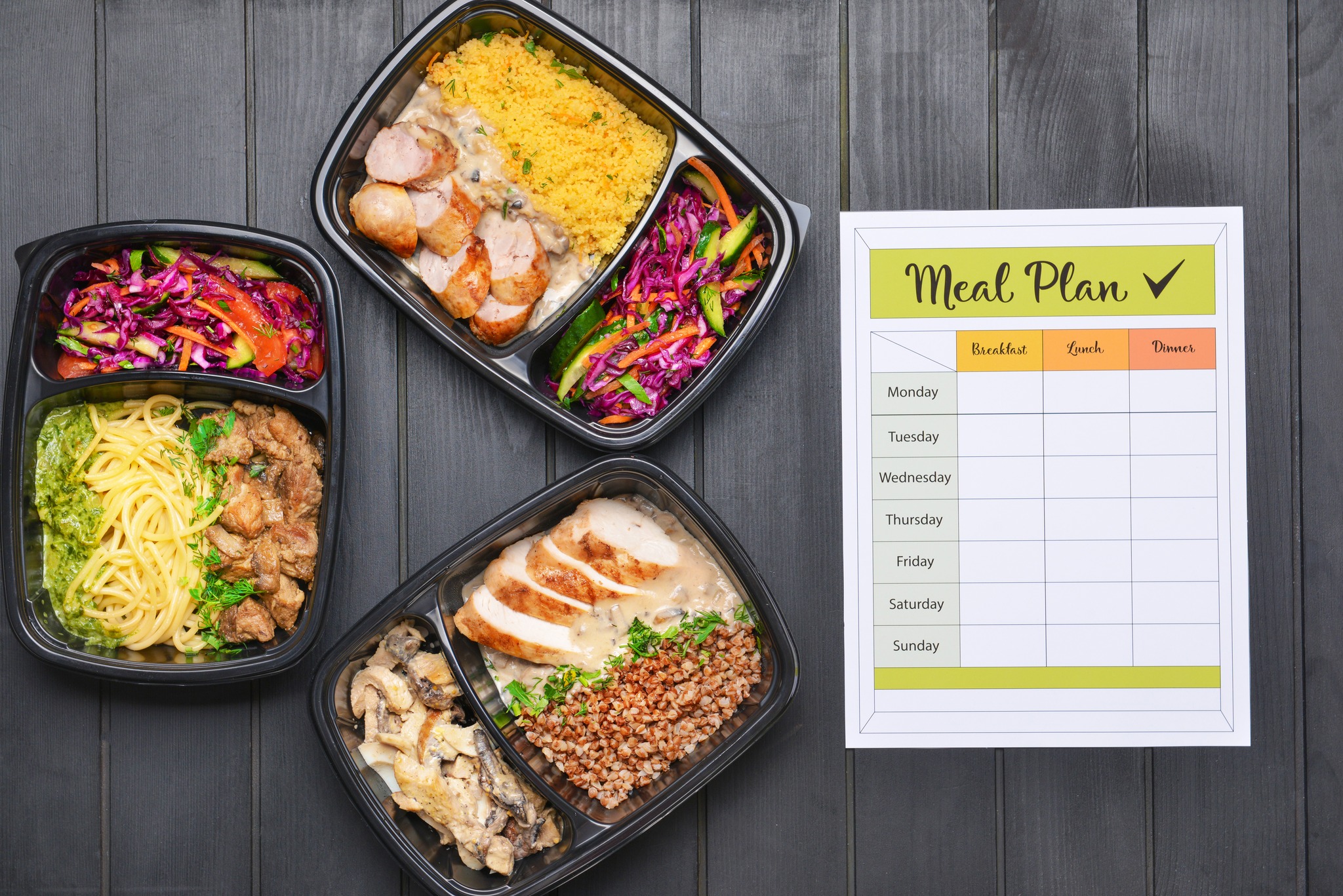
Take control of your health by exploring the personalized meal plans at FreshFitnessFood.ro where fresh ingredients meet expert nutritional balance. Whether your goal is weight loss, muscle gain, or maintaining peak performance with vegan or keto programs, discover how easy it is to enjoy fresh, macro-balanced meals crafted to maximize nutrient retention and support lasting energy. Visit FreshFitnessFood.ro now to start transforming your diet and achieving your fitness objectives with the convenience and quality you deserve.
Frequently Asked Questions
What are the key benefits of eating fresh meals?
Eating fresh meals offers numerous benefits, including higher nutrient preservation, better ingredient quality, reduced exposure to added sugars and sodium, and improved overall health and wellness. Fresh meals can enhance physical performance and contribute to stable energy levels.
How do fresh meals impact energy levels?
Fresh meals provide nutrient-dense ingredients that support sustained energy throughout the day. The balanced macronutrient profile, combined with high-quality proteins and whole foods, ensures the body has the necessary fuel for optimal performance and endurance during workouts.
What cooking methods preserve the nutritional integrity of meals?
Cooking methods like steaming, light sautéing, and quick roasting help maintain the nutritional content of ingredients. These techniques reduce nutrient loss while enhancing flavor and digestibility, making meals both delicious and healthful.
What risks are associated with consuming processed foods instead of fresh meals?
Processed foods often have high added sugars, sodium, and artificial additives that can negatively impact health. They are linked to increased inflammation, disrupted metabolic processes, and reduced nutrient bioavailability, contributing to long-term health problems compared to freshly prepared meals.