

Step by Step Healthy Meal Prep for Fitness Success
Long workdays across Bucharest can make nutritious eating feel impossible. Yet meal prep does not just save money and time, it helps you take charge of portion sizes and ingredient choices, supporting both your wellness and fitness plans. If you are looking for a balanced, stress-reducing routine, you will find practical steps ahead that fit even the busiest schedule and empower you to eat well all week long.
Table of Contents
- Step 1: Assess Nutrition Needs And Set Goals
- Step 2: Gather Ingredients And Meal Prep Tools
- Step 3: Plan And Portion Macro-Balanced Meals
- Step 4: Cook And Assemble Meals Efficiently
- Step 5: Store Meals And Verify Freshness
Quick Summary
| Key Point | Explanation |
|---|---|
| 1. Assess Your Nutrition Needs | Evaluate your eating habits and set specific goals based on your body, activity level, and health objectives. |
| 2. Gather Essential Meal Prep Tools | Invest in quality kitchen equipment and organize a strategic grocery list to streamline meal preparation. |
| 3. Plan Macro-Balanced Meals | Create meals that focus on the right proportions of proteins, carbohydrates, and fats to support your fitness goals. |
| 4. Efficiently Cook and Assemble Meals | Use batch cooking and organize ingredients to optimize cooking time and make meal assembly simpler. |
| 5. Store Meals Safely for Freshness | Utilize proper storage techniques and maintain a first-in-first-out system to ensure meal quality and minimize waste. |
Step 1: Assess Nutrition Needs and Set Goals
Successful fitness nutrition starts with understanding your unique body requirements and establishing clear, measurable goals. This crucial first step transforms generic meal planning into a personalized roadmap for health and performance.
Begin by evaluating your current eating habits and lifestyle. Healthy eating strategies emphasize tracking key nutritional components like daily calorie intake, macronutrient balance, and overall food quality. Consider these essential assessment factors:
- Current weight and body composition
- Activity level and fitness goals
- Existing dietary patterns
- Time availability for meal preparation
- Specific health objectives (muscle gain, weight loss, endurance)
Your nutrition assessment should include precise measurements. Calculate your base metabolic rate and determine your daily calorie requirements based on age, gender, height, weight, and activity level. Professional nutritionists recommend using tools like the USDA MyPlate Plan to create accurate dietary frameworks.
Make your goals specific and measurable. Instead of vague intentions like “eat healthier,” set concrete targets such as “consume 120 grams of protein daily” or “reduce processed food intake by 75%.” These clear objectives transform abstract desires into actionable nutrition strategies.
Here’s a quick comparison of common goal types and their nutrition implications:
| Goal Type | Nutrition Focus | Typical Challenges |
|---|---|---|
| Muscle Gain | Higher protein, calorie surplus | Avoiding excess fat gain |
| Weight Loss | Calorie deficit, nutrient-dense foods | Maintaining muscle mass |
| Endurance | Balanced carbs, sustained energy | Preventing energy crashes |
| General Wellness | Overall balance, food quality | Consistency, avoiding boredom |
Precision in goal setting separates successful fitness nutrition plans from random dieting attempts.
Pro tip: Keep a detailed food journal for one week before setting goals to gain genuine insights into your current nutritional intake.
Step 2: Gather Ingredients and Meal Prep Tools
Preparing for successful meal prep requires strategic planning and gathering the right ingredients and equipment. Effective meal preparation starts with understanding your kitchen needs and creating a comprehensive shopping strategy.
Begin by assembling your essential meal prep toolkit. Key equipment includes:
- Large cutting boards
- High-quality chef’s knife
- Multiple food storage containers
- Measuring cups and scales
- Sheet pans and baking dishes
- Meal prep containers with compartments
- Digital kitchen scale
- Instant-read food thermometer
When shopping for ingredients, focus on versatile staple foods that can be transformed into multiple meals. Stock your pantry with whole grains, legumes, canned proteins, and frozen vegetables. Your refrigerator should contain lean proteins, fresh produce, and basic condiments that can enhance multiple dishes.
Strategic ingredient selection is the foundation of efficient meal preparation.
Create a detailed grocery list organized by food categories. Group items like proteins, produce, grains, and seasonings to streamline your shopping experience and prevent impulse purchases. Consider batch purchasing nonperishable items to reduce overall shopping time and expenses.
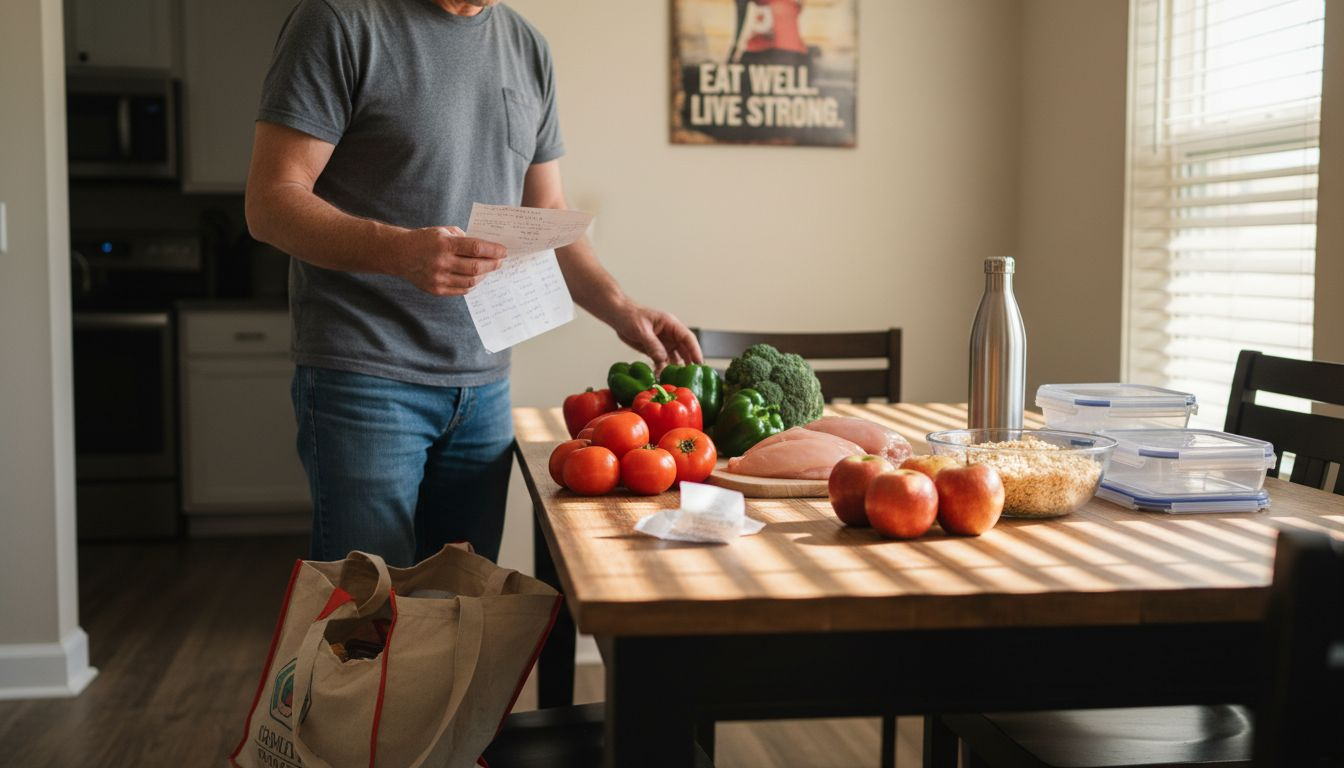
Pro tip: Invest in high-quality, leak-proof meal prep containers with separate compartments to keep different food components fresh and organized.
Step 3: Plan and Portion Macro-Balanced Meals
Crafting macro-balanced meals is the cornerstone of effective nutrition planning for fitness success. Healthy meal planning requires strategic approach to distribute macronutrients that support your specific fitness goals.
Understand the fundamental macronutrient breakdown for optimal nutrition:
- Proteins: 20-30% of total calories
- Complex carbohydrates: 40-50% of total calories
- Healthy fats: 20-30% of total calories
- Vegetables and fruits: Fill half your plate
Use a digital food scale to measure precise portions. Calculate your daily caloric needs based on age, weight, activity level, and fitness objectives. Divide your total daily calories into balanced meals that provide steady energy and support muscle recovery.
Precision in portioning transforms generic eating into targeted nutritional strategy.
Create meal templates that rotate protein sources and incorporate variety. Lean proteins like chicken, fish, tofu, and legumes should anchor each meal. Complement proteins with complex carbohydrates such as quinoa, sweet potatoes, and brown rice. Add healthy fats from sources like avocados, nuts, and olive oil to complete your macro profile.
Pro tip: Invest in portion control containers with color-coded sections to simplify macro tracking and meal preparation.
Step 4: Cook and Assemble Meals Efficiently
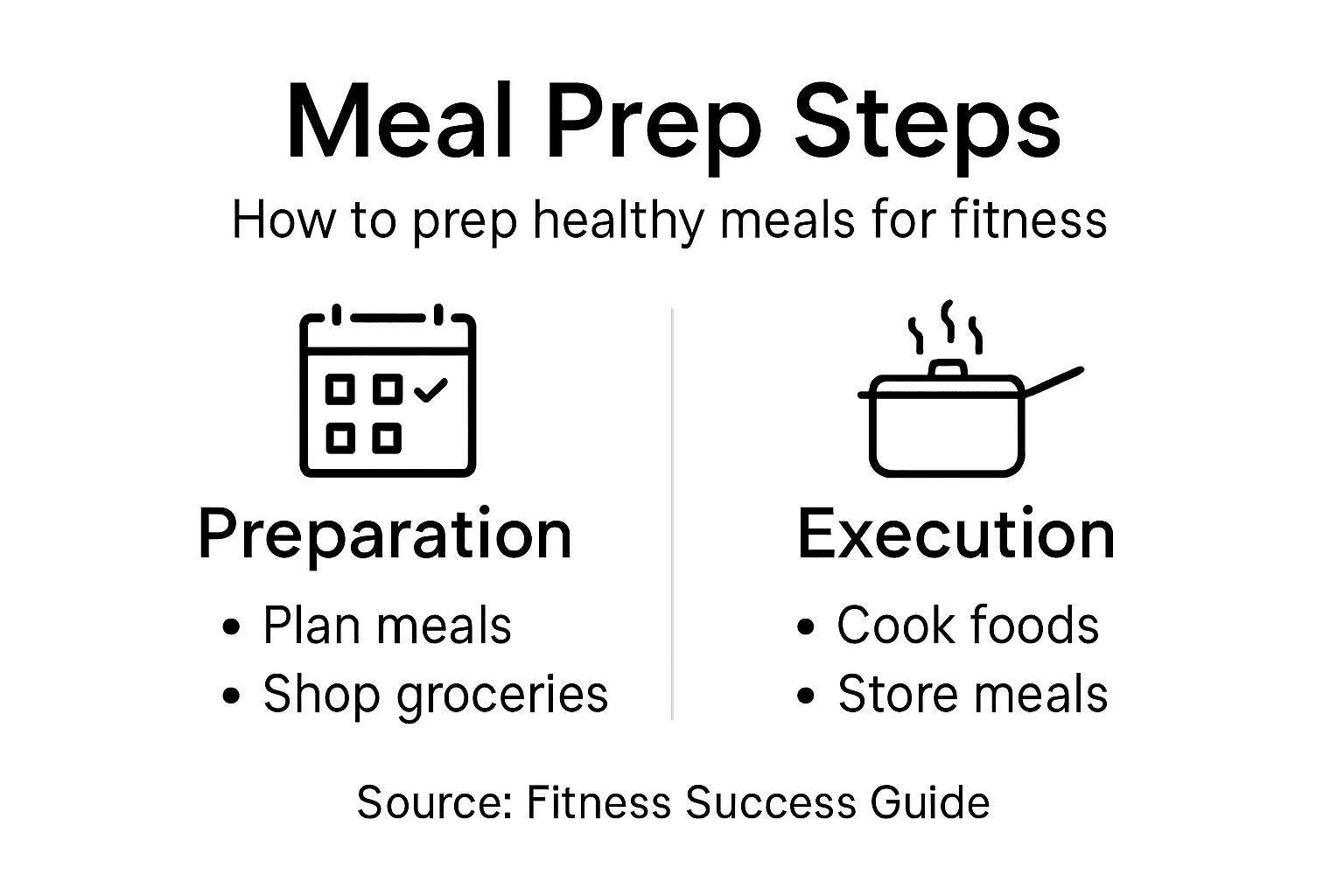
Mastering efficient meal preparation transforms your fitness nutrition strategy from challenging to seamless. Meal prep efficiency requires strategic planning and smart cooking techniques that save time and maintain nutritional integrity.
Embrace the mise en place cooking method by preparing and organizing all ingredients before starting:
- Wash and chop vegetables in advance
- Measure out spices and seasonings
- Preheat cooking equipment
- Arrange cooking utensils within reach
- Have storage containers ready for portioning
Implement batch cooking strategies to maximize your time. Prepare large quantities of versatile base ingredients like grilled chicken, roasted vegetables, and quinoa that can be mixed and matched across multiple meals. Invest in quality food storage containers with compartments to keep ingredients fresh and easily accessible.
Systematic preparation is the key to consistent and stress-free meal assembly.
Use multitasking cooking techniques to optimize efficiency. Simultaneously roast vegetables while cooking proteins and preparing grains. Utilize kitchen appliances like instant pots, air fryers, and sheet pan cooking to minimize active cooking time and reduce cleanup.
Pro tip: Schedule your meal prep during a low-stress time like Sunday afternoon to set yourself up for a successful week of nutritious eating.
Step 5: Store Meals and Verify Freshness
Maintaining meal quality and safety is crucial for your fitness nutrition plan. Food safety guidelines emphasize proper storage techniques that preserve nutritional value and prevent bacterial growth.
Follow these essential storage practices for maximum meal longevity:
- Use airtight glass or BPA-free plastic containers
- Label each container with preparation date
- Store proteins and cooked meals in separate compartments
- Maintain refrigerator temperature at or below 40°F
- Position prepared meals in the coldest part of the refrigerator
Verify meal freshness through systematic inspection. Visual and sensory checks are critical for identifying potential spoilage. Look for signs of discoloration, unusual odors, or texture changes. Most prepared meals remain safe for 3-5 days when stored properly, with lean proteins and cooked vegetables having slightly different shelf lives.
Below is a reference table summarizing optimal food storage timelines for prepared meals:
| Food Type | Refrigerator Shelf Life | Key Signs of Spoilage |
|---|---|---|
| Lean Proteins | 3-4 days | Sour smell, color change |
| Cooked Vegetables | 3-5 days | Slimy texture, dull appearance |
| Whole Grains | 4-5 days | Off taste, dryness |
| Mixed Meals | 3-4 days | Separation, unusual odor |
Consistent monitoring transforms meal preparation from a task to a precise nutritional strategy.
Implement a first-in-first-out rotation system for your meal prep containers. Place newer meals behind older ones to ensure timely consumption and minimize food waste. Invest in transparent containers that allow quick visual assessment of meal contents and freshness.
Pro tip: Use permanent markers to date containers and create a weekly tracking system that helps you consume meals at their peak nutritional quality.
Take the Stress Out of Healthy Meal Prep with Fresh Fitness Food
The article highlights common challenges like calculating precise macros, managing time-consuming meal prep, and ensuring meal freshness—all essential for fitness success. If you find yourself overwhelmed by tracking calories, portioning balanced meals, or cooking efficiently while maintaining nutritional quality, you are not alone. Many struggle to integrate these steps into a busy lifestyle without sacrificing consistency or flavor.
Fresh Fitness Food offers a powerful solution designed to remove these hurdles. Enjoy personalized, macro-balanced meals crafted specifically for your fitness goals such as muscle gain, weight loss, or endurance support. Our fresh ingredient menus and professional meal preparation save you time and eliminate guesswork around portion control, cooking, and food storage. Experience the convenience of having healthy meals ready to fuel your workouts and recovery without the stress.
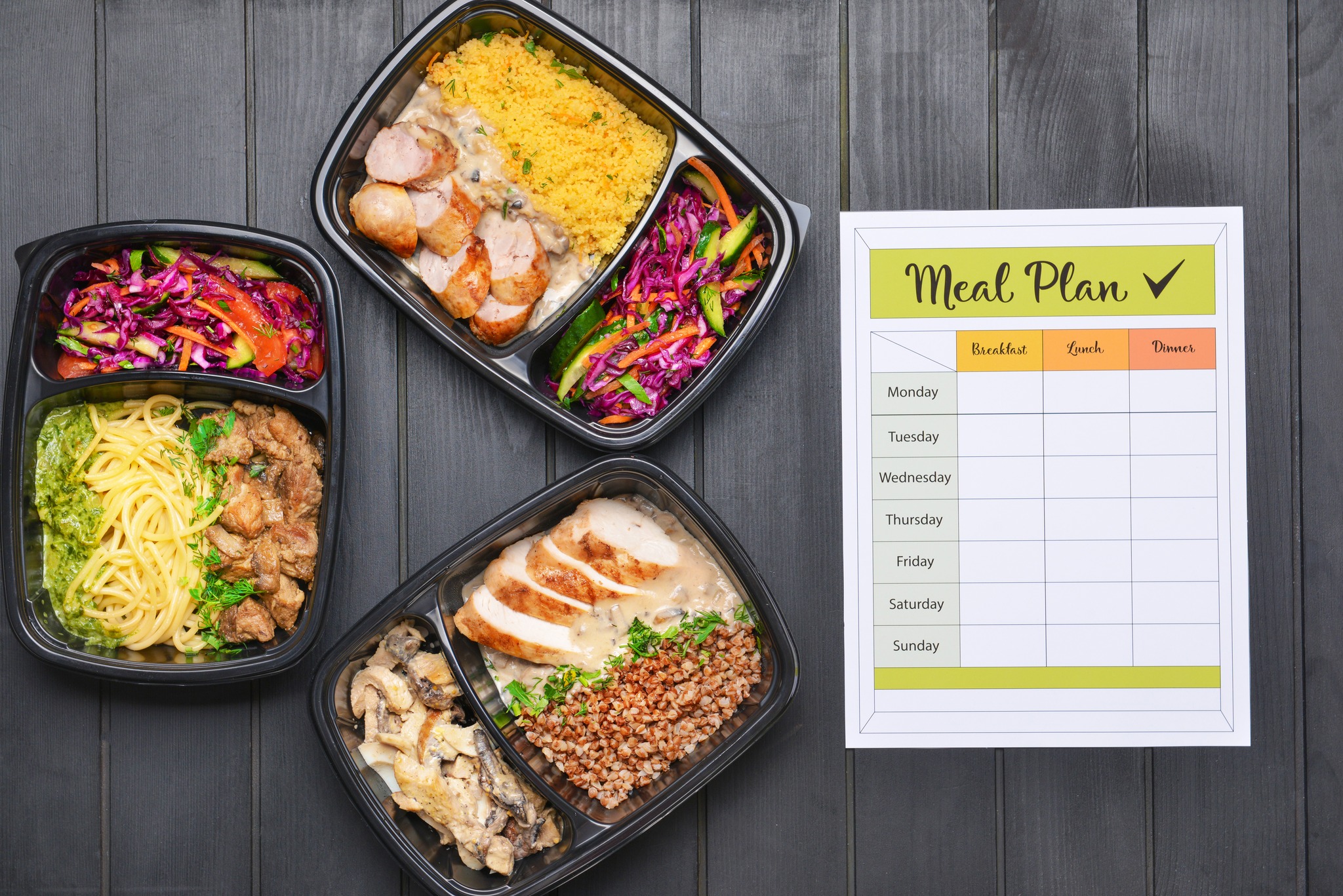
Ready to simplify your nutrition routine and focus fully on your fitness goals? Visit Fresh Fitness Food today to explore our diverse meal plans tailored for busy professionals and fitness enthusiasts. Discover how effortless meal prep can empower your health journey and give you more time for what truly matters. Start your transformation now with meals that support your success every step of the way.
Frequently Asked Questions
How do I assess my nutrition needs for meal prep?
To assess your nutrition needs, evaluate your current eating habits, activity level, and specific health goals. Start by tracking your calorie intake and calculating your base metabolic rate; this will provide a solid foundation for setting measurable goals like increasing protein intake or reducing processed foods by 75%.
What ingredients should I gather for effective meal prep?
Gather versatile staple foods that can be used in various meals, such as whole grains, lean proteins, and fresh produce. Create a detailed grocery list organized by food categories to streamline your shopping and ensure you have essentials on hand for efficient meal preparation.
How can I create macro-balanced meals?
To craft macro-balanced meals, divide your total daily calories into appropriate macronutrient ratios: 20-30% protein, 40-50% carbohydrates, and 20-30% healthy fats. Measure your portions using a digital food scale and rotate protein sources to add variety, ensuring each meal targets your fitness goals.
What cooking techniques help make meal prep more efficient?
Utilize batch cooking and multitasking techniques to maximize your meal prep efficiency. While cooking proteins, prepare vegetables and grains simultaneously to reduce active cooking time and cleanup, leading to a more streamlined meal prep routine.
How should I store my prepared meals for freshness?
Store your prepared meals in airtight glass or BPA-free plastic containers, and label each container with the preparation date. Use the first-in-first-out rotation method to ensure you consume older meals first, helping maintain freshness and avoid food waste.
What signs indicate food spoilage in my meal prep?
Look for visual signs like discoloration, unusual odors, or changes in texture to determine if your meals have spoiled. Most prepared meals are safe for 3-5 days in the refrigerator, so check for these indicators regularly to ensure quality and safety.