

How to Build a Personalized Meal Plan for Real Results
Rushing from meetings to workouts leaves little time to figure out what your body truly needs. For professionals in Bucharest aiming to manage weight or gain muscle, finding that balance means more than guessing at meal portions. Balancing calorie intake with regular physical activity is essential for weight loss and maintaining a healthy weight, according to the Centers for Disease Control and Prevention. Discover how to craft a personalized meal plan built around your real routines, preferences, and fitness goals for lasting results.
Table of Contents
- Step 1: Assess Your Dietary Needs And Fitness Goals
- Step 2: Select Appropriate Meal Types And Portions
- Step 3: Choose Fresh, Nutrient-Rich Ingredients
- Step 4: Customize Recipes To Match Your Preferences
- Step 5: Verify Nutritional Balance And Adjust As Needed
Quick Overview
| Key Insight | Explanation |
|---|---|
| 1. Assess Your Unique Dietary Needs | Determine your personal fitness goals to tailor your calorie and macronutrient intake effectively. |
| 2. Choose Enjoyable, Nutritious Foods | Select foods you genuinely like that also meet your nutritional targets for sustainable eating. |
| 3. Maintain Proper Portion Sizes | Use your hand as a guide to control portions, ensuring you stay within your calorie goals. |
| 4. Customize Recipes for Personal Taste | Adapt recipes to reflect your flavor preferences, making your meal plan enjoyable and sustainable. |
| 5. Track Progress and Make Adjustments | Regularly monitor your eating habits and adjust your plan as necessary to align with your health goals. |
Step 1: Assess your dietary needs and fitness goals
Before you build your meal plan, you need to understand what your body actually requires. This isn’t about following someone else’s plan or copying what worked for your friend at the gym. Your dietary needs are unique to your current fitness level, your goals, and your lifestyle. Start by identifying whether you’re looking to lose weight, build muscle, or simply maintain a healthy lifestyle. These goals determine everything from your calorie targets to your macronutrient ratios. A person training for muscle gain needs significantly more protein than someone focused on weight loss, and your meal plan should reflect that difference.
Next, consider your current activity level and how it fits into your schedule as a busy professional in Bucharest. Regular physical activity recommendations suggest at least 150 minutes per week of moderate-intensity exercise for adults, but your actual needs depend on your current fitness baseline and health status. If you’re new to exercise, you’ll need a different calorie and nutrient approach than someone already training five days a week. Be honest about your current eating patterns too. Track what you typically eat for three to five days to understand your baseline calories, protein intake, and eating habits. This data becomes your starting point. Don’t guess or estimate; write it down. Your meal plan needs to be built on your actual reality, not an idealized version of yourself.
Also think about dietary restrictions and preferences that matter to you. Do you have food allergies, intolerances, or ethical choices that guide your eating? Are there cuisines or flavors you genuinely enjoy? A meal plan that ignores these factors will fail no matter how perfectly calculated the macros are. Consider seeking guidance from a healthcare provider or nutrition specialist if you have chronic conditions or significant health concerns, as they can provide personalized recommendations tailored to your specific situation. Your goals, activity level, current habits, and preferences form the foundation of everything that comes next.
Pro tip: Use a simple food diary app or spreadsheet to log three days of eating, including portion sizes and times, to reveal your actual calorie intake and eating patterns before designing your plan.
Here’s a summary of how different fitness goals impact dietary needs:
| Fitness Goal | Calories Needed | Macronutrient Emphasis | Suggested Adjustment |
|---|---|---|---|
| Weight Loss | Moderate calorie deficit | Lower carbs, moderate protein | Smaller portions |
| Muscle Gain | Calorie surplus | High protein, balanced carbs | Larger protein servings |
| Maintenance | Stable calorie intake | Balanced macros | Consistent meal size |
| Improved Health | Calorie balance | Fiber, vitamins prioritized | More vegetables |
Step 2: Select appropriate meal types and portions
Now that you understand your goals and needs, it’s time to choose the actual foods that will fuel your body and build your meal plan. This step separates people who succeed from those who abandon their plans after two weeks. The foods you select need to accomplish three things at once: they must align with your calorie targets, provide adequate nutrition, and actually taste good enough that you want to eat them regularly. A healthy eating plan includes a variety of foods like fruits, vegetables, whole grains, lean proteins, and low-fat dairy while staying within your daily calorie needs. Think about which proteins appeal to you. Are you drawn to chicken breast, fish, Greek yogurt, or plant-based options like lentils and tofu? Which vegetables do you actually enjoy eating rather than forcing down? This isn’t the time to choose foods because they’re “supposed” to be healthy. Choose foods you genuinely like because you’ll be eating them multiple times per week.
Portions matter just as much as food selection, and this is where many people stumble. You can eat perfect foods but still exceed your calorie targets if your portions are too large. Start by understanding what actual serving sizes look like. A serving of protein is roughly the size of your palm, a serving of grains fits in your cupped hand, and vegetables should fill half your plate. Rather than obsessing over kitchen scales initially, use your hand as a quick reference guide. For your specific situation as a busy professional, learning portion alignment with calorie requirements becomes essential because you need meals you can grab quickly without constantly measuring. Build your meals using a simple formula: one palm-sized protein, one fist-sized carbohydrate source, one cupped-hand serving of healthy fats, and unlimited non-starchy vegetables. This formula scales up or down based on your goals. Someone building muscle might use two palms of protein per meal, while someone focused on weight loss might use slightly smaller portions. The key is consistency. Once you establish your meal template, you can rotate through five to seven different meals and never feel bored.
Pro tip: Prepare three to four reliable meal combinations that hit your macro targets and fit your schedule, then repeat them throughout the week instead of trying to eat something different every single day.
Step 3: Choose fresh, nutrient-rich ingredients
Your ingredient choices determine whether your meal plan delivers results or leaves you feeling deprived and sluggish. Fresh, whole foods provide your body with the vitamins, minerals, and nutrients that processed alternatives simply cannot match. When you build your meals around real ingredients, you naturally avoid the excess sodium, added sugars, and unhealthy fats that sabotage your progress. The foundation of any successful meal plan starts with building diets around whole, nutrient-dense foods including a variety of proteins, vegetables, fruits, healthy fats, and whole grains. This isn’t complicated. Fresh chicken, wild caught salmon, eggs, and Greek yogurt become your protein sources. Spinach, broccoli, bell peppers, and sweet potatoes become your vegetable and carbohydrate bases. Avocados, olive oil, and nuts provide your healthy fats. These ingredients work together to keep you satisfied while supporting your fitness goals.

When shopping, prioritize ingredients without long lists of chemicals you cannot pronounce. Check labels carefully. If an item has fifteen ingredients and half of them are additives, skip it. Your meals should consist of recognizable foods, not laboratory creations. For fresh produce, buy what’s in season in Bucharest markets because seasonal items are fresher, cheaper, and taste better. Frozen fruits and vegetables are equally nutritious and often more convenient for your busy schedule. Choosing fresh, frozen, or canned fruits and vegetables without added sugars or salts maximizes nutrient intake while fitting your lifestyle. Store your ingredients strategically. Keep proteins at the front of your refrigerator where you see them first. Pre-cut vegetables or store-bought salad mixes reduce prep friction. Quality matters here. Spending a bit more on better ingredients now means your meals taste good enough that you actually stick to your plan instead of abandoning it after three weeks. When ingredients taste delicious, consistency becomes automatic rather than forced.
Pro tip: Shop the perimeter of the grocery store where fresh foods live, and spend less time in the center aisles where processed items dominate, then organize your fridge by putting prepared proteins and vegetables at eye level.
Below is a quick reference showing examples of nutrient-rich ingredient choices and their benefits:
| Ingredient Type | Example Foods | Key Nutritional Benefit | Shopping Tip |
|---|---|---|---|
| Protein | Salmon, Greek yogurt | Supports muscle growth | Buy fresh or frozen |
| Vegetable | Spinach, bell pepper | High in vitamins and fiber | Choose local, in-season |
| Healthy Fat | Avocado, olive oil | Supports heart health | Look for cold-pressed |
| Whole Grain | Brown rice, quinoa | Sustained energy release | Check for minimal additives |
Step 4: Customize recipes to match your preferences
A meal plan that ignores your actual food preferences is destined to fail. You can have perfect macros and the healthiest ingredients available, but if you hate what you’re eating, you won’t stick with it past week two. This step transforms your meal plan from a rigid prescription into something you genuinely want to follow. Healthy eating patterns can be adapted to fit individual tastes and traditions while maintaining nutritional quality and supporting your fitness goals. Start by identifying the flavors and cuisines that make you excited to eat. Maybe you love Mediterranean spices, Asian heat, or classic comfort food flavors. Whatever your preference, you can build delicious meals around it. If you’re drawn to Italian food, use lean ground turkey in tomato-based sauces with whole wheat pasta. If you prefer Asian flavors, stir fry chicken with vegetables in a light soy and ginger sauce over brown rice. The base nutrients stay the same, but the taste profile changes dramatically.
Customization also means adjusting recipes to work with your schedule and cooking skill level. You don’t need to follow fancy restaurant recipes if they require two hours and twenty-three obscure ingredients. Strip recipes down to their essentials. A basic grilled chicken breast with roasted vegetables takes twenty minutes and tastes just as good as something more elaborate. Swap ingredients you dislike for ones you love. Hate mushrooms? Remove them and add more bell peppers. Don’t enjoy fish? Build your omega-3s through other sources like walnuts or flaxseeds. Customizing meals by replacing less healthy foods with nutrient-rich alternatives reinforces positive changes and creates enjoyable eating plans that respect your individual preferences. Start with five to seven base recipes you actually enjoy, then rotate them throughout the week. You can add variety with different sauces, seasonings, or vegetables without completely changing the meal structure. This approach removes the burden of constant creativity while keeping meals interesting enough that you don’t get bored.
Pro tip: Build your favorite recipes around a simple formula of your preferred protein, vegetable, carbohydrate, and seasoning, then write them down so you have a quick reference when meal planning instead of scrambling to decide what to eat.
Step 5: Verify nutritional balance and adjust as needed
Building a meal plan is only half the battle. The real test comes when you actually follow it and see how your body responds. This step ensures your plan is working and gives you the data to make smart adjustments when progress stalls. Start by tracking what you actually eat for one week using a simple nutrition app or spreadsheet. Don’t guess at portions or calories. Be precise. This gives you a baseline to compare against your meal plan targets. Using nutrition trackers helps verify and maintain nutritional balance by providing feedback on calorie intake, macronutrient distribution, and nutrient sufficiency. Check your numbers at the end of the week. Are you hitting your protein targets? Are your calories matching your goals? Are you getting enough fiber, vitamins, and minerals? If everything aligns perfectly, keep going. If not, it’s time to adjust.
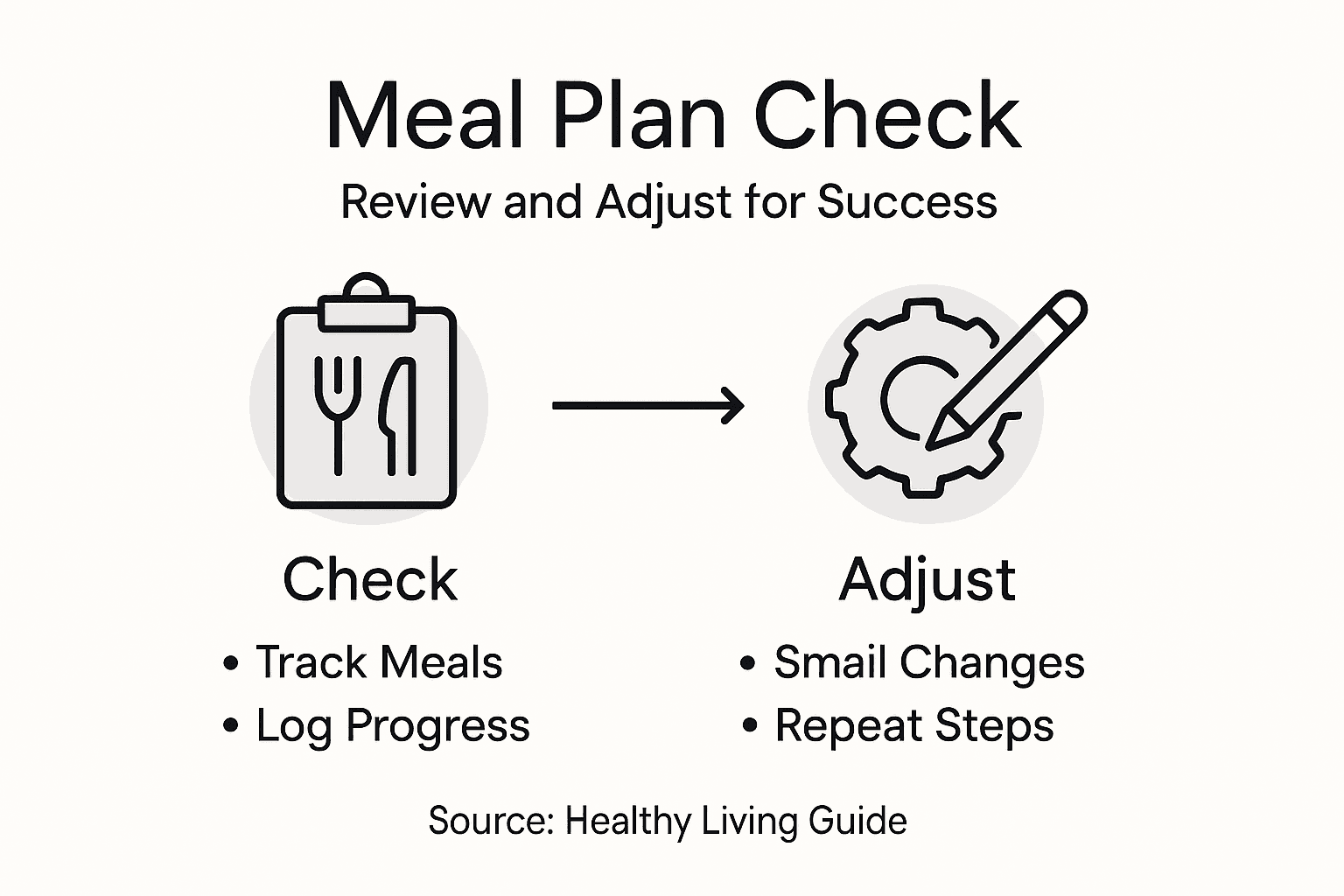
Adjustments don’t mean scrapping your entire plan and starting over. Make small, strategic changes. If you’re consistently under on protein, add an extra egg at breakfast or increase your chicken portions slightly. If you’re over on calories, reduce portion sizes by 10 percent across your meals rather than eliminating foods entirely. If you’re not getting enough vegetables, add one extra serving to each meal. These micro-adjustments keep your plan flexible and sustainable. Collecting and analyzing dietary data ensures diets meet nutrient requirements and maintain balance, allowing you to monitor and evaluate whether your meal plan continues supporting your specific health outcomes. Track your results every two weeks. Weight, energy levels, workout performance, and how your clothes fit all provide valuable feedback. Progress isn’t always linear. Some weeks you’ll nail everything, other weeks life gets chaotic. What matters is the overall trend. If you’re seeing progress toward your goals, keep your plan mostly the same. If progress has stalled for three weeks, it’s time for adjustments. Maybe increase calories slightly if you’re fatigued, or tighten portions if weight loss has plateaued.
Pro tip: Take screenshots or save your nutrition app data weekly so you have a clear record of your patterns, making it easy to spot exactly which meals or foods need adjusting when progress slows.
Achieve Your Fitness Goals with Personalized Meal Plans That Work for You
Building a personalized meal plan can feel overwhelming, especially when balancing your unique dietary needs and fitness goals like weight loss or muscle gain. This article highlights the importance of aligning your meals with your actual lifestyle and preferences. If you are struggling to manage portions, find fresh ingredients, or customize recipes that fit your taste and schedule, you are not alone. Many busy professionals face these exact challenges every day. That is why Fresh Fitness Food offers a convenient solution delivering fresh, macro-balanced, and customizable meals straight to your door.
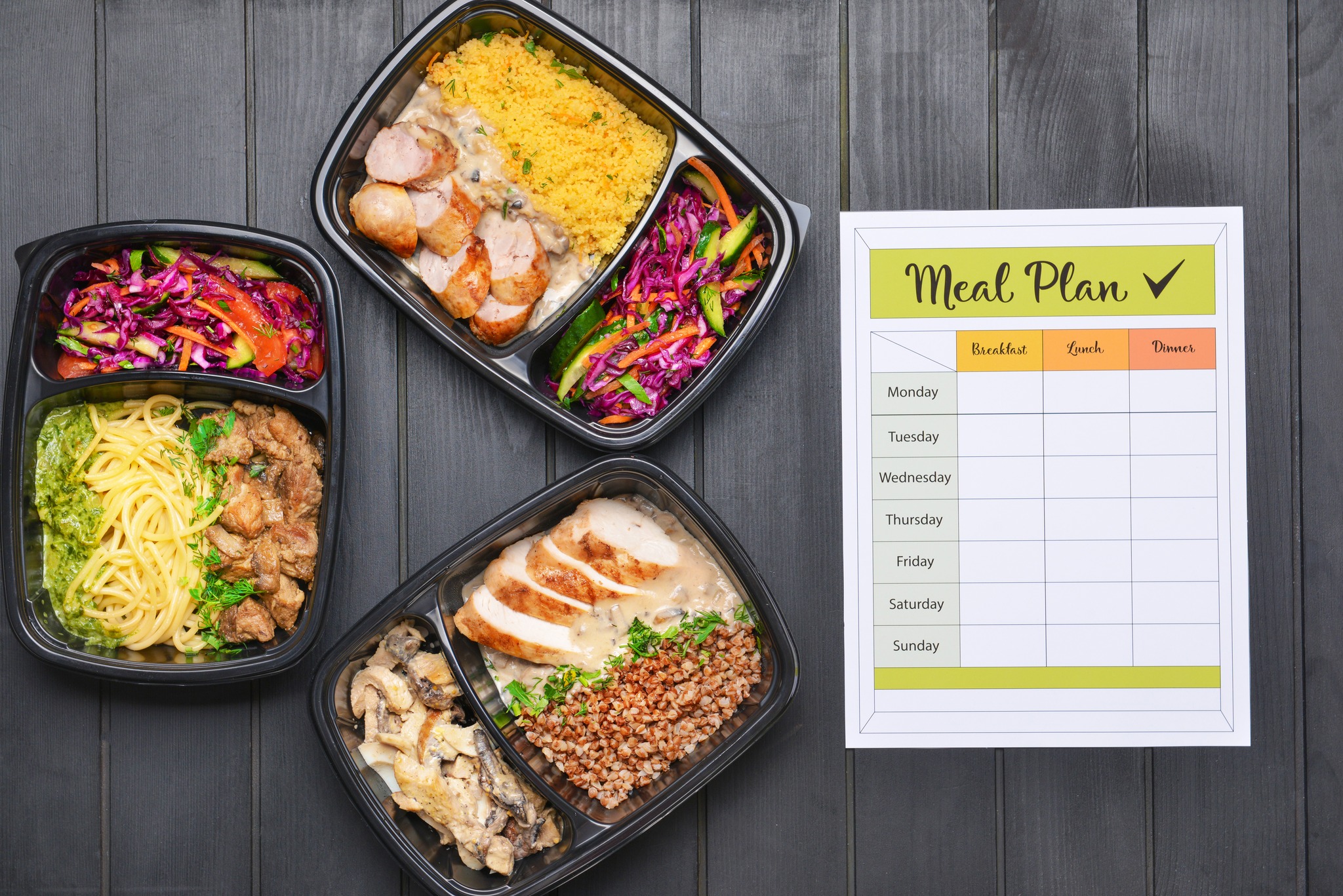
Stop guessing and start thriving today by choosing meal plans designed around your specific goals and tastes. With options tailored for weight loss, muscle gain, vegan or keto preferences, you get nutrition and flavor all in one package. Visit Fresh Fitness Food now to explore how easy healthy eating can be when you have expert-designed meals supporting your journey. Don’t wait to make real, lasting progress with meals made just for you.
Frequently Asked Questions
How do I assess my dietary needs before creating a meal plan?
To assess your dietary needs, start by identifying your fitness goals, such as losing weight, building muscle, or maintaining health. Record your current eating habits and activity levels for three to five days to establish your baseline, then adjust your meal plan accordingly.
What types of foods should I include in my personalized meal plan?
Include a variety of fresh, whole foods in your meal plan, such as lean proteins, whole grains, fruits, vegetables, and healthy fats. Choose foods you enjoy eating to ensure you stick to your plan long-term; for instance, select your favorite protein like chicken or beans and pair it with vegetables you love.
How can I determine the right portion sizes for my meals?
Use simple visual guides to determine portion sizes: a palm-sized protein, a fist-sized serving of grains, and a cupped hand of healthy fats. You can scale these portions based on your fitness goal; for example, someone building muscle may need larger protein servings than someone focused on weight loss.
What steps should I take to verify my meal plan is nutritionally balanced?
Track what you eat for one week to compare your actual intake against your meal plan targets. Regularly check if you’re meeting your macronutrient goals and adjust portion sizes or food choices as needed to stay on track with your goals.
How often should I adjust my meal plan for optimal results?
Evaluate your progress every two weeks. If you notice no changes in weight, energy, or performance after three weeks, consider making small adjustments, such as increasing protein portions or reducing calorie intake by about 10%.
How can I customize recipes to fit my preferences and make them enjoyable?
Start by identifying flavors and cuisines you enjoy, then adapt recipes to include those tastes. For example, use your preferred protein and add vegetables or spices you love to transform meals into something enjoyable while still meeting your nutritional needs.