

7 Types of Fitness Diets for Personalized Health Goals
Trying to figure out the best diet for your fitness journey can be confusing. With so many options and advice out there, knowing what really works for your goals feels overwhelming. The good news is that research-supported nutrition strategies can help you fuel workouts, build muscle, lose fat, and recover smarter.
This list breaks down proven approaches to fitness nutrition so you can match the right eating plan to your personal needs. From balanced meals that support exercise to specialty diets like ketogenic or plant-based, you’ll find real-world guidance for every goal and body type. Get ready to discover practical insights that will simplify your choices and help you reach your fitness potential.
Table of Contents
- 1. Understanding Balanced Nutrition For Fitness
- 2. Exploring The Ketogenic Diet For Weight Loss
- 3. Benefits Of The High-Protein Diet For Muscle Gain
- 4. Vegan Diets For Plant-Based Fitness
- 5. Low-Carb Diets For Effective Fat Burn
- 6. Mediterranean Diet For Overall Wellness
- 7. Customizing Your Fitness Diet To Personal Goals
Quick Summary
| Key Message | Explanation |
|---|---|
| 1. Balance Nutrition for Fitness | Combine proteins, carbs, and fats based on goals to optimize performance and recovery. |
| 2. Tailor Diet to Personal Goals | Customize meal plans based on your metabolism and specific fitness objectives for best results. |
| 3. Monitor Hydration Levels | Drink water consistently throughout the day to support performance and recovery, not just during workouts. |
| 4. Explore the Benefits of High Protein | High-protein diets enhance muscle synthesis and recovery; track intake for optimal growth outcomes. |
| 5. Utilize the Mediterranean Approach | Incorporate whole foods, healthy fats, and enjoy meals for improved overall health and wellness. |
1. Understanding Balanced Nutrition for Fitness
Balanced nutrition is the foundational cornerstone of effective fitness performance, providing your body with the precise fuel needed to transform exercise efforts into tangible results. By strategically combining macronutrients and understanding how different nutrients interact, you can optimize your body’s potential for strength, endurance, and recovery.
At its core, balanced nutrition means consuming a calculated mix of proteins, carbohydrates, and healthy fats that align with your specific fitness goals. Nutritional strategies for athletes emphasize not just what you eat, but when and how you consume nutrients to maximize performance.
Proteins play a critical role in muscle repair and growth, serving as the building blocks for tissue reconstruction after intense workouts. Carbohydrates act as your primary energy source, replenishing glycogen stores and supporting high-intensity training. Healthy fats contribute to hormonal balance, joint health, and sustained energy release.
The key is personalization. Fitness nutrition isn’t a one-size-fits-all approach. Your specific training intensity, body composition, metabolic rate, and fitness objectives will determine the ideal nutrient ratios. A marathon runner requires different nutritional support compared to a strength training athlete.
Hydration is equally crucial. Water supports nutrient transportation, temperature regulation, and cellular function. Aim to drink water consistently throughout the day, not just during workouts. Track your fluid intake and adjust based on exercise duration and intensity.
Pro tip: Create a weekly meal prep strategy that pre-plans your macronutrient balance, ensuring you have the right nutritional support ready for your fitness journey.
2. Exploring the Ketogenic Diet for Weight Loss
The ketogenic diet is a powerful nutritional strategy that transforms how your body processes energy by dramatically reducing carbohydrate intake and increasing fat consumption. This metabolic approach triggers a unique physiological state called ketosis, where your body shifts from burning glucose to efficiently burning stored fat for fuel.
At its core, the ketogenic diet requires consuming approximately 70 to 80 percent of calories from healthy fats, 15 to 20 percent from protein, and only 5 to 10 percent from carbohydrates. Metabolic shifts during ketogenic diets demonstrate profound changes in how the body generates and uses energy.
When carbohydrate intake drops below 50 grams daily, your liver begins converting fat into ketone bodies that serve as an alternative energy source for the brain and muscles. This metabolic adaptation can lead to rapid weight loss, improved insulin sensitivity, and sustained energy levels throughout the day.
The diet requires careful planning and monitoring. Optimal food choices include avocados, olive oil, fatty fish, nuts, seeds, and low carbohydrate vegetables. Processed foods, sugars, and high carbohydrate grains must be strictly eliminated to maintain the ketogenic metabolic state.
While research on ketogenic diet effectiveness shows promising weight loss results, individual responses vary. Consulting a healthcare professional before starting is crucial, especially for individuals with preexisting metabolic conditions.
Potential benefits extend beyond weight loss, including improved cognitive function, reduced inflammation, and potential neurological protective effects. However, the diet demands strict adherence and comprehensive nutritional understanding to prevent potential micronutrient deficiencies.
Pro tip: Invest in ketone testing strips to monitor your body’s metabolic state and ensure you are maintaining proper ketosis during your dietary transition.
3. Benefits of the High-Protein Diet for Muscle Gain
A high-protein diet serves as a powerful nutritional strategy for individuals seeking to build muscle mass, enhance strength, and optimize athletic performance. By strategically consuming protein rich foods, you can support muscle protein synthesis and accelerate recovery after intense workouts.
Protein requirements for muscle gain vary depending on individual fitness goals, body weight, and activity levels. Generally, athletes and active individuals require 1.6 to 2.2 grams of protein per kilogram of body weight daily to support muscle growth and repair.
Protein plays a crucial role in muscle development by providing essential amino acids that serve as building blocks for muscle tissue. Complete proteins containing all nine essential amino acids are particularly effective for muscle synthesis. Recommended sources include lean meats, fish, eggs, dairy products, and plant based proteins like quinoa and soy.
The timing of protein consumption significantly impacts muscle growth. Consuming protein within 30 minutes after resistance training can enhance muscle protein synthesis and support faster recovery. This post workout window represents a critical period for nutrient absorption and muscle repair.
Protein intake strategies recommend diversifying protein sources to ensure comprehensive nutritional support. Combining animal and plant proteins can provide a broader spectrum of amino acids and additional micronutrients essential for muscle development.
Beyond muscle gain, a high-protein diet offers additional benefits including improved metabolic rate, enhanced satiety, better blood sugar regulation, and support for overall body composition management. These advantages make protein an essential component of fitness nutrition.
Pro tip: Invest in a food scale and track your daily protein intake to ensure consistent muscle building progress and optimize your nutritional strategy.
4. Vegan Diets for Plant-Based Fitness
Vegan diets have emerged as a powerful nutritional approach for fitness enthusiasts seeking sustainable, health-conscious performance optimization. By eliminating animal products and focusing on whole plant-based foods, individuals can achieve remarkable fitness goals while supporting personal wellness and environmental sustainability.
Plant-based nutrition strategies require strategic planning to ensure comprehensive nutrient intake and muscle development. Protein sources like legumes, tofu, tempeh, seitan, and plant protein powders become essential for muscle maintenance and growth.
Contrary to traditional fitness nutrition beliefs, vegan diets can effectively support muscle building and athletic performance. Comparative diet studies demonstrate that well-planned plant-based diets can reduce body fat while maintaining muscle mass and supporting metabolic health.
Key nutritional considerations include consuming complete protein combinations, monitoring vitamin B12 levels, ensuring adequate iron intake, and supplementing with essential nutrients like creatine and omega-3 fatty acids. Combining protein sources such as rice and beans creates comprehensive amino acid profiles that support muscle synthesis.
Successful vegan fitness nutrition involves diverse food selections that provide complex carbohydrates, high quality proteins, and essential micronutrients. Meal planning should incorporate nutrient dense foods like quinoa, lentils, chickpeas, nuts, seeds, and fortified plant based products to meet energy and recovery requirements.
Additionally, vegan diets offer potential anti inflammatory benefits, improved cardiovascular health, and enhanced metabolic efficiency. These advantages can translate into improved workout recovery, sustained energy levels, and long term wellness.
Pro tip: Invest in a comprehensive vegan nutrition guide and consider consulting a registered dietitian specializing in plant based athletic nutrition to personalize your dietary approach.
5. Low-Carb Diets for Effective Fat Burn
Low-carb diets represent a strategic nutritional approach designed to transform how your body metabolizes energy and burns stored fat. By dramatically reducing carbohydrate intake, these dietary strategies trigger metabolic adaptations that prioritize fat as the primary fuel source.
Metabolic shifts in low-carb diets fundamentally change how the body processes nutrients. When carbohydrate consumption drops below 50 grams daily, the liver begins converting fat into ketone bodies that serve as an alternative energy source for muscles and brain function.
The physiological mechanism behind low-carb fat burning involves insulin regulation. Reduced carbohydrate intake leads to lower insulin levels, which allows stored body fat to become more accessible for energy production. This metabolic state encourages consistent fat oxidation and can support significant weight management goals.
Comparative diet research demonstrates that strategic carbohydrate reduction can lead to more efficient fat loss compared to traditional low-fat approaches. Protein and healthy fat intake become crucial for maintaining muscle mass while supporting metabolic efficiency.
Successful low-carb nutrition requires carefully selecting nutrient dense foods like lean proteins, healthy fats, non starchy vegetables, and limited complex carbohydrates. Ideal food choices include eggs, fish, chicken, avocados, nuts, seeds, and green leafy vegetables that provide essential nutrients without triggering significant insulin response.
While low-carb diets can be powerful for fat burn, individual metabolic responses vary. Consulting healthcare professionals and monitoring personal health markers ensures safe and effective implementation of this nutritional strategy.
Pro tip: Invest in a food tracking app that helps you monitor macronutrient ratios and maintain precise carbohydrate intake for optimal metabolic adaptation.
6. Mediterranean Diet for Overall Wellness
The Mediterranean diet represents a holistic nutritional approach that transcends traditional dietary restrictions, offering a lifestyle centered on whole foods, balanced nutrition, and sustainable wellness. This dietary pattern celebrates fresh ingredients, mindful eating, and a comprehensive approach to health that extends beyond mere calorie counting.
Mediterranean dietary principles emphasize consuming predominantly plant based foods, incorporating lean proteins, and utilizing olive oil as a primary fat source. The diet prioritizes whole grains, fresh vegetables, fruits, legumes, nuts, and moderate amounts of fish and dairy.
Unlike restrictive eating plans, the Mediterranean diet offers remarkable flexibility and cultural diversity. Meals are designed to be enjoyed slowly, often shared with family and friends, which supports not just physical nutrition but also mental and social well being. The approach considers food as more than fuel it is a celebration of life and community.
Practical implementation strategies recommend gradually transitioning to this dietary pattern. Start by increasing vegetable intake, replacing butter with olive oil, consuming fish two to three times weekly, and minimizing processed food consumption. Whole grains, legumes, and fresh herbs become staple ingredients in meal preparation.
The diet offers profound health benefits including reduced cardiovascular disease risk, improved metabolic function, enhanced cognitive performance, and potential longevity improvements. Research consistently demonstrates that adherents experience lower inflammation levels, better weight management, and increased overall vitality.
Key nutritional components include omega-3 fatty acids from fish, antioxidants from colorful vegetables, complex carbohydrates from whole grains, and healthy monounsaturated fats from olive oil and nuts. These nutrients work synergistically to support comprehensive wellness.
Pro tip: Invest in a Mediterranean cookbook and gradually incorporate one new recipe each week to make your dietary transition enjoyable and sustainable.
7. Customizing Your Fitness Diet to Personal Goals
Personalized nutrition represents the pinnacle of modern fitness strategies, recognizing that no single dietary approach works universally for every individual. Your unique metabolism, fitness objectives, training intensity, and physiological characteristics demand a tailored nutritional blueprint that adapts and evolves with your personal health journey.
Personalized nutrition strategies require comprehensive assessment of individual metabolic factors, activity levels, and specific fitness goals. This means moving beyond generic meal plans to develop a nutrition strategy that precisely matches your body’s energy requirements and performance demands.
Effective diet customization involves multiple critical components: analyzing your basal metabolic rate, understanding your specific fitness objectives, tracking macronutrient needs, and creating flexible meal plans that can be adjusted based on changing training intensities. Body weight planning tools can provide foundational insights into caloric and nutritional requirements.
Key considerations for personalization include identifying your primary fitness goal whether muscle gain, fat loss, endurance training, or overall wellness. Each objective requires a distinct nutritional approach. Muscle building demands higher protein intake, fat loss requires caloric deficit, endurance training needs complex carbohydrates, and wellness goals emphasize balanced micronutrient consumption.
Successful personalization also means understanding how your body responds to different nutrients. Some individuals metabolize carbohydrates more efficiently, while others process proteins and fats more effectively. Genetic factors, hormonal balance, and individual enzyme production play significant roles in determining optimal nutritional strategies.
Regular monitoring and adjustment are crucial. Your nutritional needs will change with training progression, age, stress levels, and hormonal shifts. Establishing a flexible approach that allows periodic reassessment ensures your diet remains aligned with your evolving fitness journey.
Pro tip: Consider working with a registered nutritionist who can perform comprehensive metabolic testing and design a truly personalized nutrition strategy tailored to your unique physiological profile.
Below is a summary table highlighting key dietary approaches and their respective nutritional strategies and benefits discussed in the article.
| Dietary Approach | Key Features | Primary Benefits |
|---|---|---|
| Balanced Nutrition for Fitness | Integration of proteins, carbohydrates, and healthy fats tailored to fitness goals. | Enhances strength, endurance, recovery, and energy regulation. |
| Ketogenic Diet for Weight Loss | Reduces carbohydrate intake, increases fat consumption, induces ketosis for metabolic adaptation. | Promotes fat loss, improves insulin sensitivity, supports sustainable energy. |
| High-Protein Diet for Muscle Gain | Emphasizes protein-rich foods to stimulate muscle synthesis and facilitate repair after exercise. | Builds muscle mass, improves metabolic rate, and enhances satiety. |
| Vegan Diets for Plant-Based Fitness | Focus on plant-based proteins and diverse nutrient sources to support athletic performance. | Maintains muscle, supports metabolic health, and aligns with sustainability. |
| Low-Carb Diets for Effective Fat Burn | Limits carbohydrate intake to encourage fat utilization as the primary energy source. | Encourages fat oxidation, assists in weight management, and maintains muscle mass. |
| Mediterranean Diet for Wellness | Emphasizes fresh vegetables, lean proteins, healthy fats, and slow, mindful eating practices. | Reduces cardiovascular risk, enhances longevity, and supports mental well-being. |
| Personalized Fitness Nutrition | Tailors dietary plans to match individual metabolic needs and fitness goals. | Optimizes performance, adapts to changes, and supports overall health. |
This table provides a concise overview of the discussed dietary strategies and their beneficial outcomes.
Achieve Your Unique Fitness Goals with Personalized Nutrition Solutions
Finding the right fitness diet can be challenging when every body requires a different balance of macros and nutrients to thrive. Whether your goal is muscle gain, fat loss, or adopting a vegan or ketogenic lifestyle, personalized meal planning plays a crucial role in fueling your progress without overwhelming your schedule. The article highlights common pain points such as careful macronutrient balance, staying in ketosis, ensuring adequate protein intake, and combining nutrition with lifestyle coaching to optimize results.
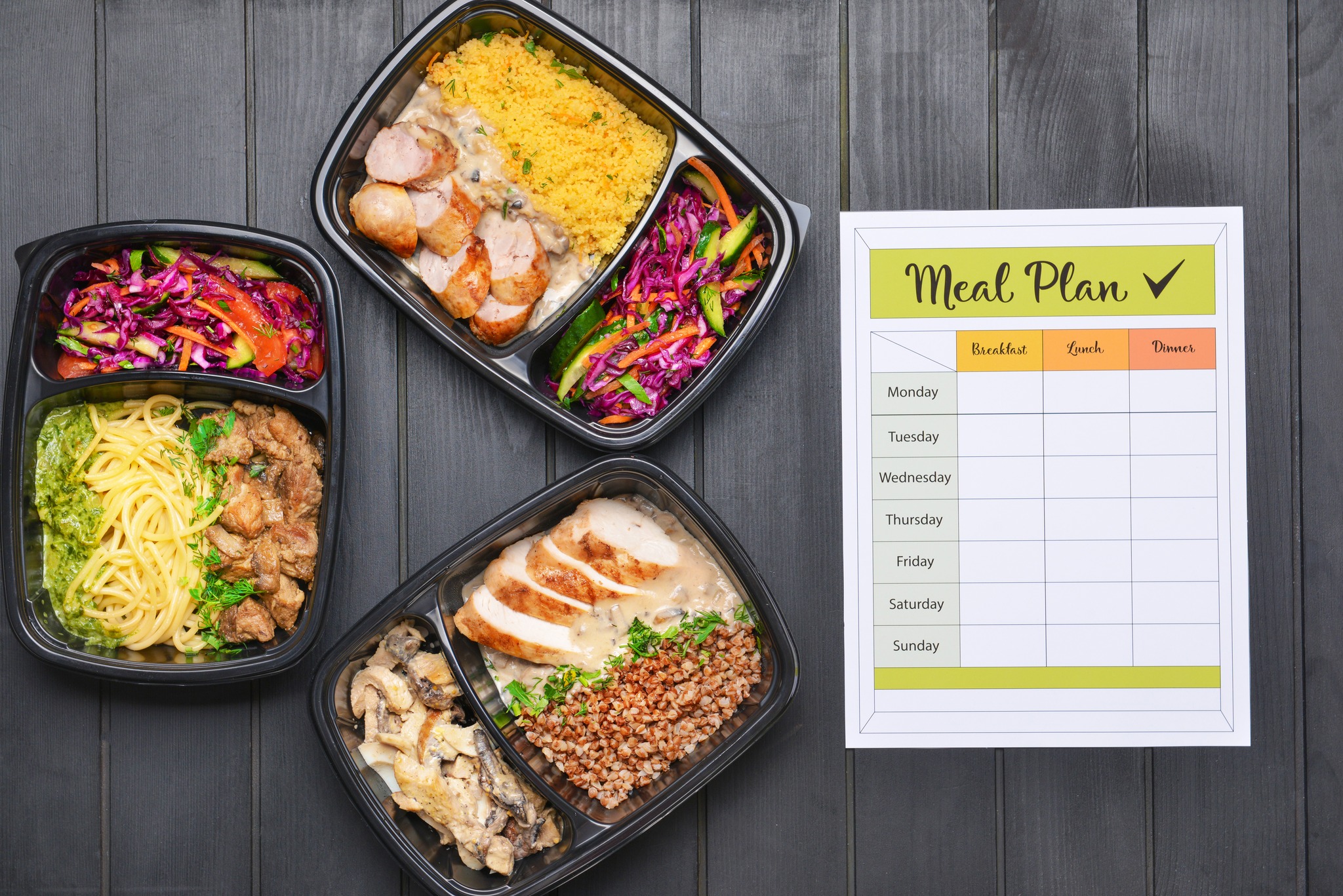
Take control of your fitness journey today with Fresh Fitness Food. Our fresh, customizable meal plans cater specifically to your preferred diet and fitness objectives. Enjoy macro-balanced, nutrient-rich meals delivered directly to your door so you never have to worry about complicated meal prep again. Plus, explore our combined offerings of personalized training and coaching services designed to keep you motivated and on track. Start now and experience how easy it is to maintain a healthful lifestyle with expertly crafted meals tailored just for you.
Explore your options and personalize your health strategy by visiting Fresh Fitness Food and discover the perfect fit between your fitness goals and nutrition with our convenient and fresh meal solutions.
Frequently Asked Questions
What is a balanced nutrition approach for personalized fitness goals?
A balanced nutrition approach involves consuming a mix of proteins, carbohydrates, and healthy fats tailored to your specific fitness goals. To optimize your performance, assess your training intensity and adjust your macronutrient ratios accordingly.
How do I choose the right fitness diet based on my personal health goals?
To choose the right fitness diet, first identify your primary objective, such as muscle gain, fat loss, or improved endurance. Create a nutrition plan that aligns with these goals, ensuring it meets your unique metabolic needs.
What are the key components of a vegan diet for fitness?
Key components of a vegan diet for fitness include diverse protein sources like legumes, tofu, and plant-based powders, as well as complex carbohydrates and essential nutrients. Focus on meal planning to ensure you meet your energy and recovery requirements.
How can I maintain adherence to a ketogenic diet?
To maintain adherence to a ketogenic diet, plan your meals carefully and focus on high-fat foods while limiting carbohydrates. Monitor your carbohydrate intake to stay below 50 grams daily and invest in ketone testing strips to ensure you remain in ketosis.
What strategies can I use to personalize my fitness nutrition?
Personalizing your fitness nutrition involves analyzing your metabolic rate, tracking macronutrient needs, and adjusting meal plans based on your fitness progression. Regularly reassess your plan to adapt to changing training intensities and health indicators.
How can I effectively track my macronutrient intake?
To effectively track your macronutrient intake, use a food scale to weigh your portions and a food tracking app to log your daily consumption. Aim for consistent monitoring to meet your nutritional goals and adjust as necessary.