

6 Essential Vegan Fitness Tips 2026 for Busy Athletes
Fueling your active lifestyle on a vegan diet can feel overwhelming when time is short and your training demands keep rising. Choosing the right foods is more than just stocking up on salads—finding quick, high-protein vegan meals that actually support muscle growth and sustained energy is a daily challenge for athletes and busy professionals alike.
The good news is that small changes can make a big difference in how you recover and perform. By focusing on smart food combinations—like pairing legumes with grains—and fine-tuning your macronutrient balance, you can unlock the full nutritional power of a plant-based diet. These science-backed strategies offer simple ways to cover nutrient gaps, stay energized through tough workouts, and recover faster after exercise.
Curious how to upgrade your vegan training fuel without spending hours in the kitchen? You’re about to discover practical tips, meal ideas, and recovery tactics that turn plant-based eating into your biggest advantage.
Table of Contents
- Choose Quick, High-Protein Vegan Meal Solutions
- Master Vegan Macronutrient Balance for Energy
- Optimize Pre- and Post-Workout Vegan Snacks
- Stay Hydrated and Support Recovery Daily
- Supplement Smartly to Cover Nutrient Gaps
- Plan Meals and Training for Maximum Efficiency
Quick Summary
| Key Insight | Explanation |
|---|---|
| 1. Combine Legumes and Grains for Protein | Pairing legumes with whole grains optimizes amino acid absorption for vegan athletes, delivering essential protein for muscle recovery. |
| 2. Focus on Macronutrient Ratios | Maintain a balanced intake of carbohydrates, protein, and fat to ensure consistent energy levels and performance during training sessions. |
| 3. Optimize Pre- and Post-Workout Nutrition | Timing your snacks with nutrient-rich carbs and protein before and after workouts enhances recovery and supports muscle gains effectively. |
| 4. Stay Hydrated with Electrolytes | Consistent hydration, combined with electrolyte-rich plant foods, is crucial for performance and recovery in vegan athletes. |
| 5. Strategic Supplementation for Nutrient Gaps | Use key supplements like Vitamin B12 and Vitamin D to address common deficiencies in a vegan diet that impact training performance. |
1. Choose Quick, High-Protein Vegan Meal Solutions
When you’re training hard and managing a packed schedule, protein becomes your biggest challenge. Quick, high-protein vegan meals aren’t a luxury—they’re a necessity for building and maintaining muscle while staying consistent with your workouts.
The challenge with plant-based eating is that many vegan proteins have lower digestibility and less complete amino acid profiles compared to animal sources. This means you can’t simply swap beans for chicken and call it even. You need to be intentional about combining your protein sources.
Research on plant-based amino acid quality shows that combining different plant proteins—particularly legumes with grains—significantly improves how your body uses that protein. When you pair these sources strategically, you unlock better amino acid absorption and utilization for muscle recovery.
Here’s what makes a quick vegan meal truly high-protein:
- Legumes (lentils, chickpeas, black beans) combined with whole grains (quinoa, brown rice, oats)
- Nuts and seeds (hemp seeds, pumpkin seeds, almonds) as protein boosters
- Novel plant-based alternatives like pea protein isolates for rapid preparation
- A ~2:1 legume-to-grain ratio for optimal amino acid balance
The beauty of meal prep solutions is that you avoid the constant decision-making. Efficient vegan meal solutions tailored to your training schedule mean you’re never scrambling for protein when hunger hits after a workout.
Practical combinations for busy athletes include: Buddha bowls with lentils and quinoa, chickpea-based pastas, bean-and-grain wraps, and tofu stir-fries with cashew sauce. Each delivers 25-35 grams of protein when prepared correctly.
Strategic meal combinations with legumes and grains provide complete amino acid profiles, crucial for muscle development in athletes following plant-based diets.
Busy professionals often default to convenience foods, but quick doesn’t mean compromising nutrition. Pre-portioned meals combining these optimal ratios save you hours while delivering the protein your training demands.
Pro tip: Stock hemp seeds, nutritional yeast, and pre-cooked legume blends in your kitchen—these three ingredients transform any grain-based meal into a complete 30+ gram protein option in under five minutes.
2. Master Vegan Macronutrient Balance for Energy
Energy crashes mid-workout happen when your macronutrient balance falls apart. As a vegan athlete, you can’t rely on the same ratios that work for omnivores—plant-based nutrition demands intentional strategy.
Your body runs on three fuel sources: carbohydrates, protein, and fat. On a plant-based diet, these macros need careful attention because plant foods have different nutrient bioavailability than animal products. This means you might eat enough calories but still feel depleted if your macro ratios are off.
Carbohydrates should be your primary energy source, providing sustained fuel for training. Unlike simple sugars that cause energy spikes and crashes, complex carbohydrates from oats, sweet potatoes, and whole grains release energy steadily throughout your workout.
Protein supports muscle repair and recovery, but plant proteins require more thoughtful combinations. The optimal strategy pairs diverse sources to create complete amino acid profiles:
- Legumes (lentils, chickpeas, black beans) with whole grains (quinoa, brown rice)
- Tofu and tempeh with seeds and nuts for micronutrient density
- Hemp seeds and nutritional yeast as protein boosters across any meal
Healthy fats often get overlooked, but they’re crucial for hormone production and sustained energy. Plant-based macronutrient balance shows that nuts, seeds, and avocados provide the fats your body needs without sacrificing performance.
A practical daily approach targets roughly 50-55% carbohydrates, 15-20% protein, and 25-35% fat—but this varies based on training intensity. Athletes doing endurance work may shift higher on carbs, while strength athletes benefit from slightly more protein.
When you nail your macro balance, three things happen simultaneously: your energy stays consistent, recovery accelerates, and mental focus sharpens during training.
Plant-based athletes who strategically balance carbohydrates, proteins, and fats experience sustained energy and optimized performance throughout intense training sessions.
Meal timing amplifies macro benefits. Eating carbs with protein within two hours post-workout maximizes muscle repair and refuels your glycogen stores.
Pro tip: Track your macros for just one week using a free app—you’ll see your exact patterns and can adjust portions without guessing, making future meal planning automatic and intuitive.
3. Optimize Pre- and Post-Workout Vegan Snacks
Timing your vegan snacks around workouts makes the difference between adequate recovery and missed gains. The window before and after exercise is when your muscles are primed to absorb nutrients most efficiently.
A pre-workout snack consumed 60 to 90 minutes before training fuels your performance and prevents energy crashes mid-session. The ideal snack combines easily digestible carbohydrates with plant-based protein that your body can rapidly utilize.
The science is clear: pre-workout nutrition timing matters significantly. Your pre-workout snack should deliver approximately 20 to 40 grams of protein rich in leucine, the amino acid that triggers muscle protein synthesis.
Excellent pre-workout vegan snack options include:
- Soy-based foods like tofu or tempeh with banana or whole grain toast
- Smoothie made with plant protein powder, oats, and berries
- Hummus with whole grain crackers and vegetables
- Peanut butter sandwich on whole wheat bread
Post-workout nutrition is equally critical. Within 30 to 60 minutes after training, your muscles are hungry for both carbohydrates and protein to repair damage and replenish glycogen stores.
This post-workout window is when your body best absorbs nutrients for recovery. Skip this window, and you’re leaving muscle gains on the table. The same carb and protein combination that worked pre-workout performs similarly here, but the timing pressure is more immediate.
Functional foods enhance recovery beyond basic macronutrients. Antioxidant-rich options like tart cherry juice or turmeric reduce inflammation from intense training, accelerating your return to peak performance.
Consuming carbohydrates and plant-based protein within 30 to 60 minutes post-workout optimizes muscle repair and glycogen replenishment for vegan athletes.
Practical post-workout combinations include chocolate hemp seed milk with banana, lentil-based pasta salad, or tofu stir-fry with brown rice. These deliver complete nutrition while satisfying cravings.
Busy athletes often skip snacking because meal prep feels complicated. Pre-portioned vegan snacks eliminate this barrier, ensuring you fuel correctly every single session.
Pro tip: Prepare five to seven pre- and post-workout snack portions on Sunday, keeping them in containers for grab-and-go convenience throughout your training week.
4. Stay Hydrated and Support Recovery Daily
Hydration isn’t just about drinking water when you’re thirsty. For vegan athletes, proper hydration directly impacts muscle recovery, energy availability, and performance consistency throughout your training week.
Your plant-based diet contains significantly more fiber than omnivore diets, which alters how your body handles fluids and electrolytes. This means you need a more deliberate hydration strategy that accounts for these differences in mineral handling.
The baseline recommendation is consuming 6 to 10 cups of fluid daily, though your personal needs depend on body size, training intensity, and your climate. A simple monitoring method is checking your urine color—pale yellow indicates adequate hydration, while dark yellow signals dehydration.
Electrolytes matter as much as water volume. Your vegan diet naturally provides potassium through plant foods, but sodium requires intentional attention. Electrolyte balance for vegan athletes shows that combining water intake with electrolyte-rich foods optimizes both performance and recovery.
Key electrolyte-rich plant foods include:
- Coconut water for natural sodium and potassium
- Leafy greens like spinach and kale for magnesium
- Bananas and dates for potassium density
- Sea vegetables and miso for trace minerals
- Beets and tomatoes for nitrates and minerals
Timing hydration around workouts amplifies recovery. Drink 16 to 20 ounces of water two to three hours before training, then 7 to 10 ounces every 10 to 20 minutes during exercise.
Post-workout rehydration is equally important. Consume 16 to 24 ounces of electrolyte-containing fluid for every pound of body weight lost during training. This accelerates muscle glycogen restoration and reduces fatigue.
Vegan athletes who combine consistent hydration with electrolyte-rich plant foods enhance physiological recovery and sustain training intensity effectively.
Busy schedules make consistent hydration easy to overlook. Setting phone reminders or using a marked water bottle creates accountability and removes guesswork from daily fluid intake.
Pro tip: Infuse your water bottle with sliced lemon, cucumber, or electrolyte powder designed for plant-based athletes—flavored hydration increases consumption naturally without added sugar.
5. Supplement Smartly to Cover Nutrient Gaps
No matter how carefully you plan your meals, a vegan diet has inherent nutrient gaps that food alone cannot fill. Strategic supplementation bridges these gaps without requiring obsessive food tracking or constant worry about deficiencies.
Your plant-based diet excels at delivering fiber, antioxidants, and certain minerals, but several nutrients require deliberate attention. The key is knowing which supplements actually matter for athletic performance versus marketing hype.
Vitamin B12 is non-negotiable. Your body cannot produce it, and plant foods contain negligible amounts. B12 deficiency impairs energy production and recovery, directly sabotaging your training efforts. A simple daily supplement or fortified food solves this permanently.
Vitamin D becomes critical if you train indoors or live in low-sunlight climates common across Europe. This nutrient regulates calcium absorption, immune function, and mood—all essential for consistent training performance.
Vegan athletes face specific supplementation needs beyond basic vitamins. These critical gaps include:
- Vitamin B12 for energy metabolism and nervous system function
- Vitamin D for calcium absorption and immune health
- Algae-based omega-3 fatty acids for inflammation management
- Iron from plant sources, which is less bioavailable than animal iron
- Zinc for immune function and muscle recovery
- Calcium if avoiding fortified foods
- Iodine for thyroid health and metabolism
Protein powder deserves its own category. Plant-based protein powders combine convenience with performance, delivering 20 to 30 grams per serving without meal prep time. This bridges the gap between real food and training demands.
Electrolyte supplements become valuable during intense sessions lasting over an hour. They replace minerals your sweat depletes and prevent cramping that interrupts workouts.
Strategic supplementation guided by your training intensity and climate optimizes athletic performance while covering nutrient gaps inherent to plant-based diets.
Timing matters more than most athletes realize. Taking B12 with breakfast ensures consistent absorption, while vitamin D performs best with a fat-containing meal.
Pro tip: Start with just B12, vitamin D, and algae omega-3—these three cover 80 percent of vegan athlete gaps while remaining budget-friendly and proven effective.
6. Plan Meals and Training for Maximum Efficiency
Planning meals around your training schedule transforms fitness from chaotic to sustainable. When your nutrition aligns with your workouts, you stop wasting energy on decision-making and start seeing real results.
The connection between meal timing and training success runs deeper than most athletes realize. Your body responds differently to nutrients depending on when you consume them relative to exercise. Strategic planning capitalizes on these windows.
Start by mapping your weekly training schedule. Identify your high-intensity days, moderate days, and recovery days. Each requires different energy and macronutrient amounts. High-intensity training days demand more carbohydrates and protein, while recovery days can shift slightly toward healthy fats.
Optimal vegan sports nutrition planning requires tailoring your approach to your specific goals and training modality. A strength athlete’s meal plan differs fundamentally from an endurance runner’s plan, even when both follow vegan diets.
Key planning elements include:
- Calculating daily calorie needs based on training volume and body composition goals
- Distributing macronutrients across meals to match workout timing
- Scheduling pre-workout meals 60 to 90 minutes before training
- Planning post-workout nutrition within 30 to 60 minutes after exercise
- Building recovery meals on rest days with adequate antioxidants
- Accounting for seasonal training variations and adjusting accordingly
Busy professionals benefit enormously from batch-prepared meals. Dedicating 2 to 3 hours on Sunday to prepare portioned meals eliminates daily cooking while ensuring consistent nutrition.
Your planning should account for real life. If you train at 6 AM, your pre-workout meal needs to be quick and easily digestible. If you have back-to-back meetings, your meals must be portable and shelf-stable.
Strategic meal and training planning that aligns nutrition with workout demands maximizes efficiency, accelerates recovery, and sustains long-term athletic progress.
Season-specific adjustments amplify results. Winter training often requires higher calorie intake, while summer outdoor training may demand different hydration strategies.
Pro tip: Build a simple spreadsheet with your weekly training schedule and corresponding meal templates—this single document becomes your efficiency system, eliminating guesswork and saving 5 to 10 hours monthly on meal planning.
Below is a comprehensive table summarizing the key points and strategies for vegan athletes discussed throughout the article.
| Key Aspect | Details and Actions | Expected Benefits/Outcomes |
|---|---|---|
| Optimal Protein Combination | Combine legumes and grains (e.g., lentils with quinoa) to achieve complete amino acid profiles. | Enhances muscle recovery and overall protein quality for athletes. |
| Macronutrient Balance Importance | 50–55% carbohydrates, 15–20% protein, and 25–35% fat tailored to specific training regimens. | Supports consistent energy levels and optimized performance. |
| Pre- and Post-Workout Nutrition | Pre-workout: Carbohydrates and digestible protein. Post-workout: Focus on carb-protein combinations. | Fuels performance and recovery, replenishes glycogen stores effectively. |
| Hydration Practices | Ensure adequate water intake (6–10 cups daily) along with electrolyte-rich plant foods. | Improves muscle recovery and maintains performance through optimal hydration. |
| Supplementation | Prioritize supplements for Vitamin B12, Vitamin D, and Omega-3 for identified nutrient gaps. | Bridges nutritional deficiencies inherent in plant-based diets. |
| Meal and Training Planning | Align meals to training schedules, utilizing batch meal preparation and timing nutrient intake. | Increases training efficacy and saves time, ensuring balanced nutrition daily. |
This table captures the best strategies for maintaining a balanced and effective vegan diet tailored to athletic performance goals.
Fuel Your Vegan Fitness Journey with Tailored Meal Solutions
Busy vegan athletes know the struggle of balancing intense training with optimal nutrition. From mastering plant-based protein combinations to timing your pre- and post-workout meals the right way, these essential nutrition strategies can be overwhelming and time-consuming—especially when you are pressed for time. If you want to stop guessing and start fueling your body efficiently with macro-balanced meals designed to support your unique fitness goals, there is a smarter way.
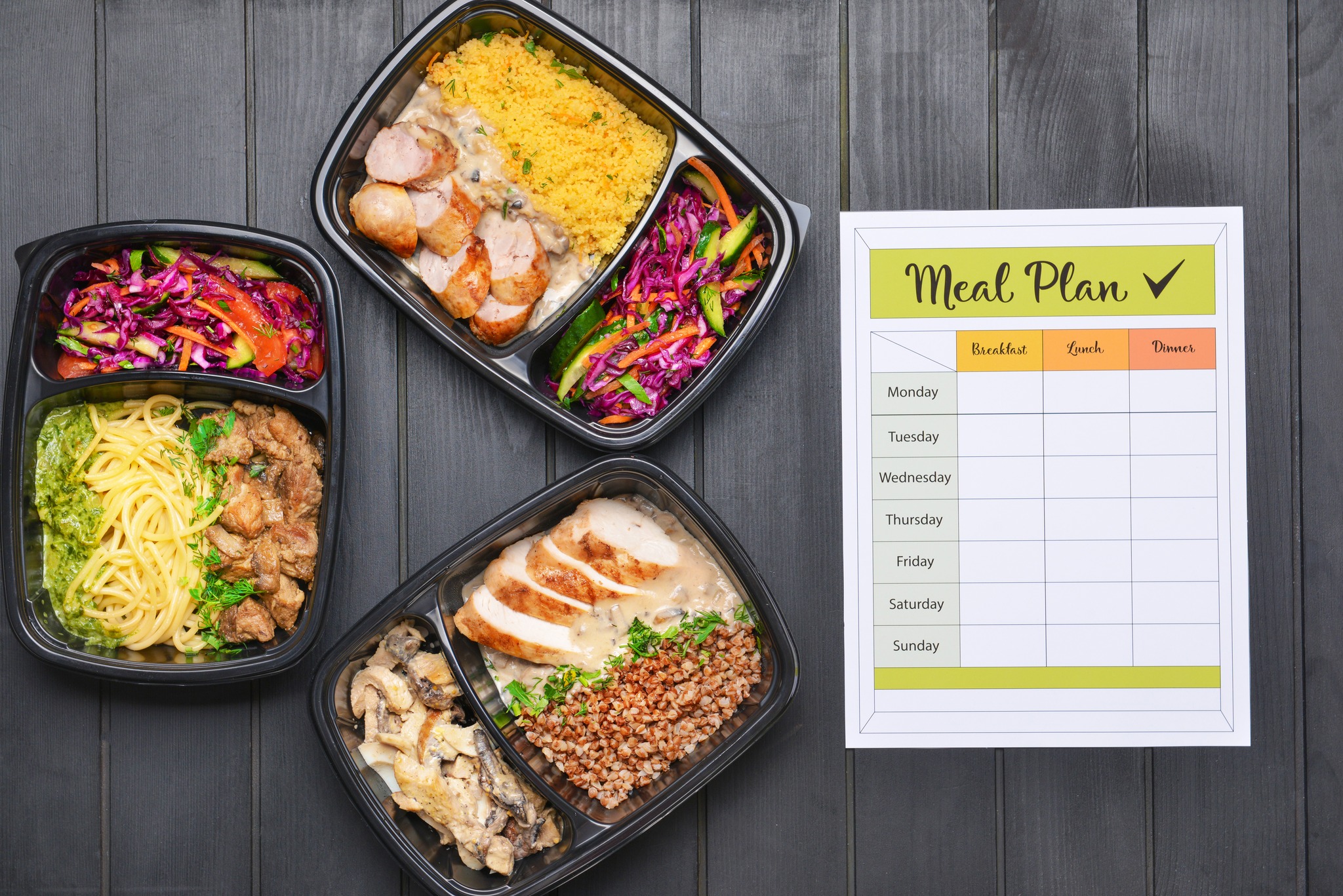
Discover how Fresh Fitness Food makes it simple to stay on track without the hassle of meal prep. Our fresh, customizable vegan meal plans deliver scientifically balanced combinations of legumes, grains, and plant proteins right to your door. Save valuable hours every week and recover faster with nutrient-dense, ready-to-eat meals aligned with your training schedule. Don’t let meal planning become a barrier to your gains—take control of your performance today by exploring personalized fitness meals and unlock your full potential now.
Frequently Asked Questions
How can I create quick, high-protein vegan meals?
To create quick, high-protein vegan meals, combine legumes like lentils or chickpeas with whole grains such as quinoa or brown rice. Aim for a ~2:1 legume-to-grain ratio to ensure optimal amino acid balance, allowing you to easily meet your protein needs within 30 minutes.
What is the ideal macronutrient balance for a vegan athlete?
A good starting point for a vegan athlete’s macronutrient balance is approximately 50-55% carbohydrates, 15-20% protein, and 25-35% fat. Adjust these percentages based on your training intensity and goals, ensuring you provide your body with sustained energy and proper recovery.
What types of snacks should I consume before and after workouts?
Before workouts, opt for easily digestible snacks that combine carbohydrates with plant-based protein, such as a smoothie or hummus with vegetables. After workouts, focus on combining carbs and protein, like a lentil pasta salad, within 30 to 60 minutes to maximize muscle repair and recovery.
How can I effectively stay hydrated as a vegan athlete?
To stay hydrated, consume 6 to 10 cups of fluid daily, adjusting based on your activity level and climate. Monitor your urine color to ensure you’re adequately hydrated, aiming for a pale yellow.
Which supplements are essential for vegan athletes?
Essential supplements for vegan athletes include Vitamin B12, Vitamin D, and algae-based omega-3 fatty acids, as these nutrients can be hard to obtain through diet alone. Start by incorporating these three supplements into your routine to help cover potential gaps in your nutrition.
How can I plan my meals efficiently around my training schedule?
To plan meals efficiently, map out your weekly training schedule and align your nutrition accordingly. Determine the energy needs for high-intensity days versus recovery days, and batch-cook meals in advance to ensure consistent nutrition throughout the week.