

Vegan Meal Prep: How It Supports Active Lifestyles
Late nights at the office and packed meeting calendars can make healthy eating feel out of reach, especially for Bucharest professionals dedicated to a plant-based lifestyle. There are plenty of myths about vegan diets, often suggesting they lack protein or variety—yet evidence shows a well-planned vegan approach easily delivers both nutrition and convenience. Discover how strategic meal prep with diverse, nutrient-packed foods sustains energy and supports wellness, even on the busiest days.
Table of Contents
- Vegan Meal Prep Defined And Common Myths
- Different Approaches To Vegan Meal Prep
- Essential Nutrients And Balanced Planning
- Practical Storage And Food Safety Tips
- Common Mistakes And How To Avoid Them
Key Takeaways
| Point | Details |
|---|---|
| Vegan Meal Prep | A systematic approach to prepare plant-based meals in advance for nutritional needs and busy lifestyles. |
| Addressing Common Myths | Scientific evidence supports that a well-planned vegan diet meets protein and nutrient requirements effectively. |
| Personalized Strategies | Different meal prep approaches cater to individual lifestyle needs, ensuring sustained nutrition and convenience. |
| Monitoring Nutritional Intake | Strategic supplementation and tracking of essential nutrients are vital for maintaining a balanced vegan diet. |
Vegan Meal Prep Defined and Common Myths
Vegan meal prep is a systematic approach to preparing plant-based meals in advance, designed to support nutritional needs while accommodating busy lifestyles. At its core, a vegan diet consists exclusively of plant-derived foods, including fruits, vegetables, legumes, grains, seeds, and nuts. Unlike restrictive dietary myths, scientific evidence demonstrates that a well-planned vegan diet can provide comprehensive nutritional benefits.
Numerous misconceptions surround vegan nutrition, particularly regarding protein intake and dietary completeness. These myths often stem from limited understanding of plant-based protein sources. In reality, plant-based diets offer robust nutritional profiles when strategically planned:
- Protein sources include beans, lentils, tofu, tempeh, and seitan
- Legumes provide complete amino acid profiles
- Nuts and seeds offer additional protein and essential fatty acids
- Whole grains contribute significant protein content
To address common concerns, vegan meal preppers should focus on diverse, nutrient-dense ingredients. Mayo Clinic nutrition experts emphasize that supplementation of key nutrients like vitamin B12, vitamin D, and omega-3 fatty acids can ensure a balanced diet. Strategic meal preparation allows individuals to preemptively address potential nutritional gaps.
Pro tip: Invest in high-quality supplement formulations designed specifically for plant-based diets to complement your vegan meal prep strategy.
Different Approaches to Vegan Meal Prep
Vegan meal prep involves strategic planning and preparation of plant-based meals to support nutritional goals and accommodate busy lifestyles. Meal prepping approaches vary depending on individual dietary preferences, nutritional requirements, and time constraints.
Vegan meal preparation strategies can be categorized into several distinct approaches:
- Batch cooking: Preparing entire meals in large quantities
- Component preparation: Cooking staple ingredients for flexible meal assembly
- Portion packaging: Pre-portioning ingredients and meals for easy grab-and-go options
- Themed meal blocks: Creating collections of meals with similar preparation techniques
Nutritional diversity remains crucial in vegan meal prep. Cleveland Clinic nutrition experts recommend focusing on whole-food, plant-based preparations that minimize processed ingredients. Different approaches accommodate various lifestyle needs:
- Athletes might prioritize high-protein meal preps with legumes and tofu
- Office professionals could focus on quick, portable meal options
- Home cooks might prefer more intricate, multi-step meal preparation techniques
Successful vegan meal prep requires understanding personal nutritional needs, available time, and culinary preferences. By selecting an approach that matches individual goals, individuals can ensure consistent, nutritious plant-based eating.
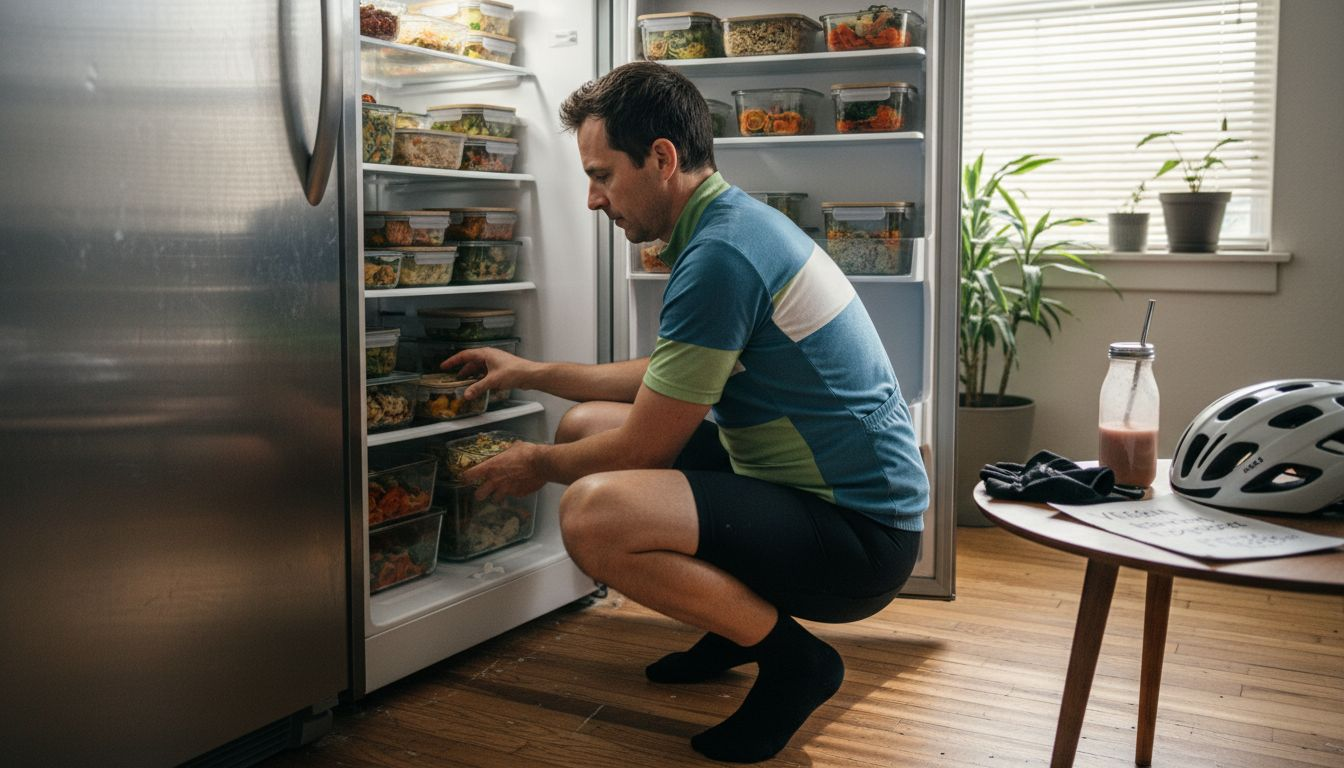
Pro tip: Invest in high-quality meal prep containers with compartments to keep ingredients fresh and separately stored during preparation.
The table below compares popular vegan meal prep approaches for different lifestyle needs:
| Prep Approach | Best For | Key Benefit | Typical Drawback |
|---|---|---|---|
| Batch Cooking | Families, busy weeks | Saves time, ready-to-eat meals | Less variety through week |
| Component Prep | Flexible eaters | Custom meals, ingredient variety | Requires daily assembly |
| Portion Packaging | Office professionals | Grab-and-go, great for lunchboxes | Risk of repetitive choices |
| Themed Meal Blocks | Home cooks | Culinary creativity, skill growth | Demands more prep time |
Essential Nutrients and Balanced Planning
Vegan nutrition requires strategic planning to ensure comprehensive nutrient intake for active individuals. Balanced diet approaches emphasize diverse food consumption and targeted supplementation to meet nutritional demands.
Key nutrients critical for vegan athletes and active professionals include:
- Protein: Legumes, tofu, tempeh, seitan
- Iron: Spinach, lentils, fortified grains
- Calcium: Fortified plant milks, leafy greens
- Vitamin B12: Nutritional yeast, fortified foods, supplements
- Omega-3 fatty acids: Chia seeds, flaxseeds, algae-based supplements
Nutritional diversity plays a crucial role in maintaining energy levels and supporting physical performance. Nutrition experts recommend incorporating a wide range of whole foods to create a comprehensive dietary profile:
- Prioritize whole grains for sustained energy
- Include diverse protein sources at each meal
- Rotate vegetable and fruit selections for maximum nutrient intake
- Consider targeted supplementation for hard-to-obtain nutrients
Understanding individual nutritional needs remains paramount. Active individuals should consult nutrition professionals to develop personalized meal plans that address specific fitness goals and dietary requirements.
Pro tip: Create a weekly nutrient tracking sheet to monitor your intake of essential vitamins and minerals, ensuring comprehensive nutritional coverage.
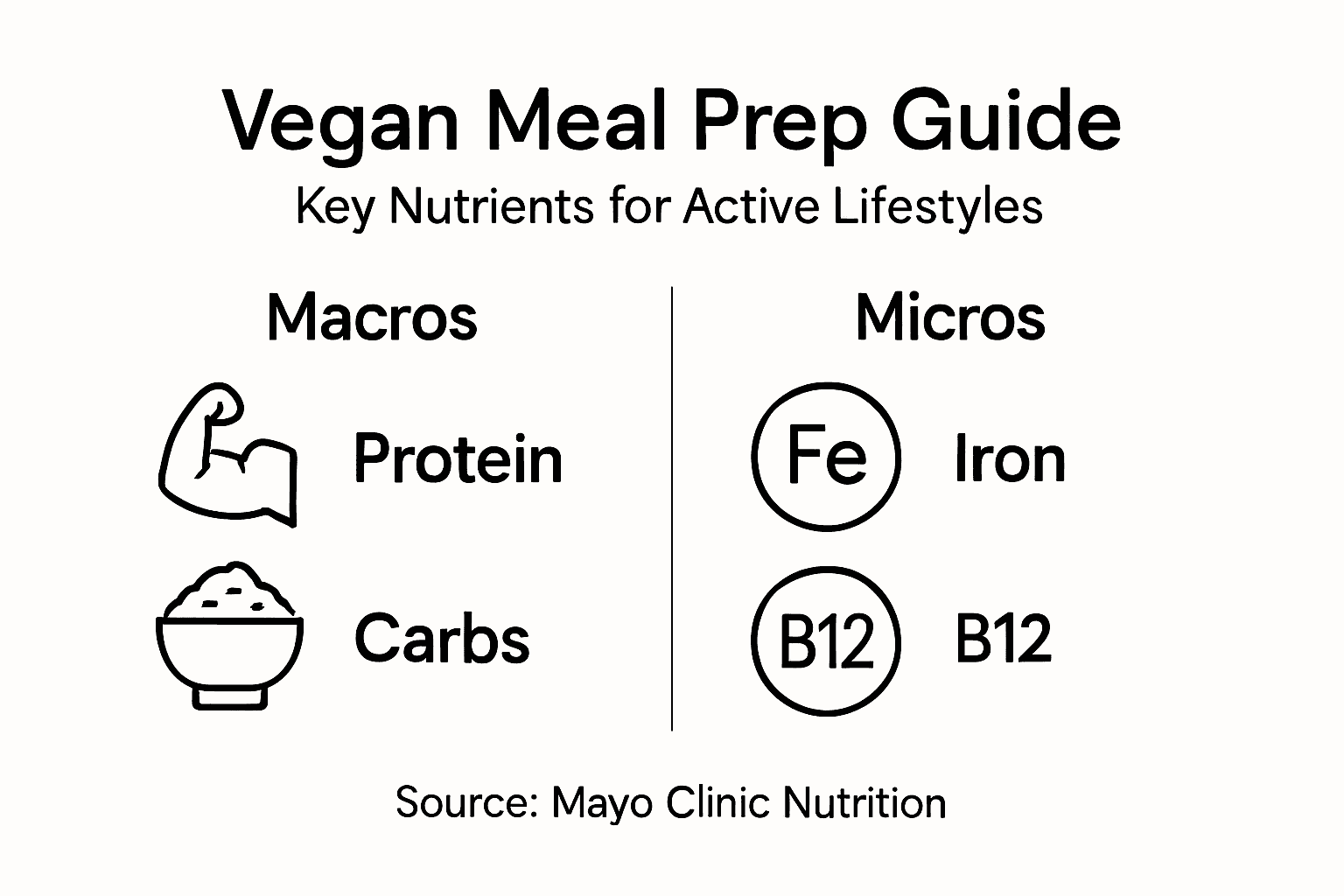
Here’s a summary of key nutrients important for a balanced vegan meal prep, along with their primary plant-based sources and suggested supplementation methods:
| Nutrient | Main Plant Sources | Supplementation Advice |
|---|---|---|
| Protein | Legumes, tofu, tempeh, seitan | Not usually required |
| Iron | Spinach, lentils, fortified grains | Consider if blood tests show low levels |
| Calcium | Fortified plant milks, leafy greens | Fortified foods or standalone |
| Vitamin B12 | Fortified foods, nutritional yeast | Regular supplement essential |
| Omega-3s | Chia, flax, algae-based supplements | Algae-based supplement preferred |
Practical Storage and Food Safety Tips
Vegan meal prep requires careful attention to storage techniques and food safety to maintain nutritional integrity and prevent spoilage. Proper handling ensures that plant-based meals remain fresh, nutritious, and safe for consumption throughout the week.
Key storage strategies for vegan meal preparation include:
- Temperature control: Refrigerate prepared meals at or below 40°F
- Airtight containers: Use glass or BPA-free plastic containers with secure lids
- Separation techniques: Keep wet and dry ingredients separate to prevent sogginess
- Labeling system: Mark containers with preparation and expected consumption dates
- Freezing options: Utilize freezer-safe containers for meals intended to be stored longer
Different vegan ingredients require specific storage approaches:
- Leafy greens: Store in perforated bags with slight moisture
- Tofu: Keep in sealed container, change water daily
- Cooked grains: Refrigerate and consume within 3-4 days
- Nuts and seeds: Store in cool, dark places in sealed containers
Cross-contamination prevention is crucial in vegan meal preparation. Always use separate cutting boards for different ingredients, wash produce thoroughly, and clean preparation surfaces regularly to maintain food safety standards.
Pro tip: Invest in a food-grade digital thermometer to consistently monitor refrigeration and cooking temperatures, ensuring optimal food safety.
Common Mistakes and How to Avoid Them
Vegan meal preparation requires strategic planning to overcome common nutritional challenges. Nutrition experts highlight several critical mistakes that can compromise dietary effectiveness and overall health.
Frequent pitfalls in vegan meal prep include:
- Protein deficiency: Underestimating protein requirements
- Nutrient imbalance: Relying on limited food sources
- Supplement negligence: Ignoring essential vitamin requirements
- Monotonous meal planning: Creating repetitive, uninteresting menus
- Poor portion control: Mismanaging macronutrient ratios
Active individuals must be particularly vigilant about potential nutritional gaps. Comprehensive meal planning involves strategic approaches to ensure complete nutrition:
- Diversify protein sources across meals
- Incorporate nutrient-dense whole foods
- Consult nutrition professionals for personalized guidance
- Regularly assess and adjust dietary strategies
- Use high-quality nutritional supplements strategically
Mindful preparation transforms potential mistakes into opportunities for creating balanced, enjoyable vegan meal plans. Understanding individual nutritional needs allows for customized strategies that support active lifestyles.
Pro tip: Create a weekly nutrition tracking spreadsheet to monitor protein intake, vitamin levels, and overall dietary diversity.
Achieve Balanced Vegan Nutrition Without the Stress of Meal Prep
Struggling to maintain a nutrient-rich vegan diet that supports your active lifestyle can feel overwhelming. The article highlights challenges like ensuring complete protein intake and managing key nutrients such as vitamin B12 and omega-3s through careful meal prep. If juggling batch cooking, portion packaging, and supplementation sounds exhausting, there is a smarter way to stay on track with your plant-based goals.
Discover how Fresh Fitness Food delivers fresh, macro-balanced vegan meals designed for busy professionals, athletes, and fitness enthusiasts. Our personalized meal plans eliminate the guesswork, supplying well-rounded nutrition tailored to your energy needs and lifestyle. Take advantage of expertly crafted menus that incorporate diverse protein sources and essential nutrients so you never miss the mark. Ready to transform your vegan meal prep routine without sacrificing convenience or taste? Visit Fresh Fitness Food today to explore flexible plans and start fueling your progress effortlessly.
Frequently Asked Questions
What is vegan meal prep?
Vegan meal prep is the systematic approach to preparing plant-based meals in advance, allowing individuals to meet their nutritional needs while accommodating busy lifestyles.
How do I ensure I’m getting enough protein on a vegan diet?
To ensure adequate protein intake on a vegan diet, incorporate diverse sources such as beans, lentils, tofu, tempeh, and seitan into your meals. Consider rotating these protein sources for balanced nutrition.
What are essential nutrients to consider when meal prepping for a vegan diet?
Key nutrients to focus on when vegan meal prepping include protein, iron, calcium, vitamin B12, and omega-3 fatty acids. Including a variety of whole foods and considering targeted supplementation is important for nutritional balance.
What common mistakes should I avoid in vegan meal prep?
Common mistakes in vegan meal prep include underestimating protein requirements, relying on limited food sources, neglecting essential supplements, creating repetitive menus, and mismanaging portion sizes. Aim for dietary diversity to enhance nutrition.