

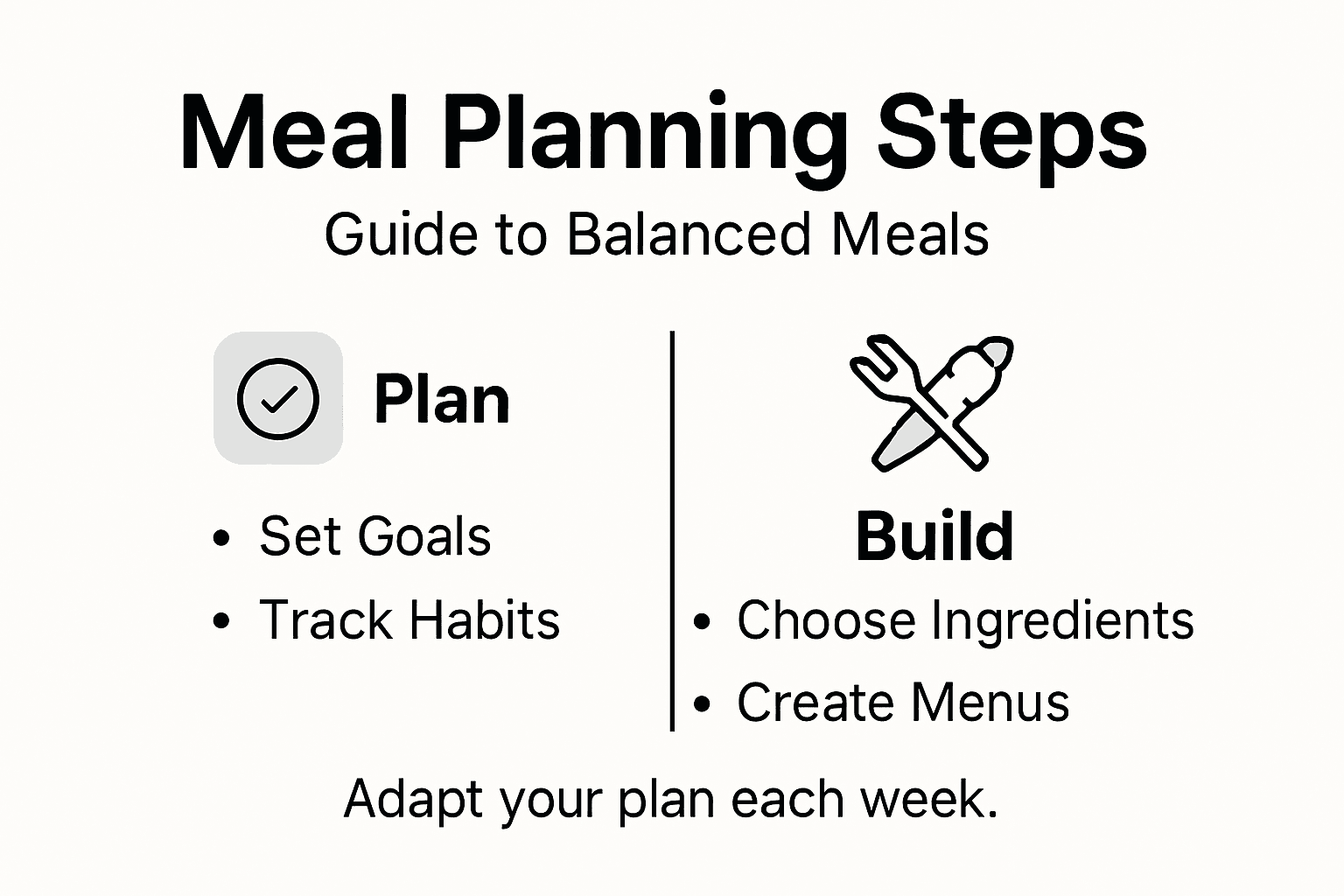
Step-by-Step Guide to Balanced Meal Planning Success
Rushing from meetings to workouts leaves little room to create meals that truly match your health ambitions in Bucharest. Choosing a purposeful, balanced approach can take your eating habits from routine to powerful nutrition supporting weight loss or muscle gain. Whether you want more energy, better performance, or simplified planning, you will learn how to set clear goals and build nutrient-dense whole food choices around your busy lifestyle.
Table of Contents
- Step 1: Identify Your Nutritional Goals
- Step 2: Assess Your Current Eating Habits
- Step 3: Select Fresh, Macro-Balanced Ingredients
- Step 4: Build Personalized Meal Menus
- Step 5: Verify Meal Balance And Adjust As Needed
Quick Summary
| Key Point | Explanation |
|---|---|
| 1. Define Your Nutritional Goals | Identify specific health objectives to design a targeted approach to your nutrition and meal planning. |
| 2. Assess Current Eating Habits | Track your meals for at least one week to gain insights into your dietary patterns and identify areas for improvement. |
| 3. Choose Macro-Balanced Ingredients | Select fresh ingredients with a balance of macronutrients to create nutritious meals that support your health goals. |
| 4. Create Personalized Meal Menus | Design flexible meal plans that align with your nutritional goals, tastes, and cooking preferences for better diet adherence. |
| 5. Regularly Verify Meal Balance | Continuously assess your meals using established guidelines to ensure nutritional alignment with your evolving health goals. |
Step 1: Identify your nutritional goals
Identifying your unique nutritional goals is the strategic foundation of successful meal planning. By understanding your specific health objectives, you can design a targeted approach that transforms your diet from generic eating to purposeful nutrition.
Start by conducting an honest self-assessment of your current health status and desired outcomes. The Dietary Guidelines for Americans recommend focusing on nutrient-dense whole foods that support your individual needs. Your nutritional goals might include:
- Weight management
- Muscle gain
- Increased energy levels
- Athletic performance enhancement
- Managing specific health conditions
- Overall wellness optimization
To precisely define your goals, consider consulting with a registered dietitian or nutritionist who can provide personalized guidance. They can help you develop measurable and realistic nutritional objectives that align with your lifestyle and physiological requirements.
Here is a summary of common nutritional goals and their potential benefits:
| Nutritional Goal | Example Benefit | Typical Focus |
|---|---|---|
| Weight management | Healthy body composition | Calorie control |
| Muscle gain | Increased strength | Higher protein intake |
| Increased energy levels | Enhanced daily wellness | Balanced macronutrients |
| Athletic performance | Improved physical output | Customized nutrition timing |
| Managing health conditions | Symptom reduction | Specific nutrient choices |
| Overall wellness | General health improvement | Diverse whole foods |
The World Health Organization’s healthy diet guidelines emphasize creating balanced dietary patterns influenced by personal and cultural factors. This means your nutritional goals should be unique to you, not a one-size-fits-all approach.
Successful nutrition planning starts with understanding your body’s specific needs and creating a personalized strategy.
Pro tip: Keep a detailed food and energy journal for two weeks to track your current eating habits and identify areas for targeted nutritional improvement.
Step 2: Assess your current eating habits
Assessing your current eating habits is a critical step in transforming your nutritional approach. This self-evaluation provides a clear snapshot of your existing dietary patterns and helps identify areas for meaningful improvement.
To conduct a comprehensive assessment, leverage practical tracking tools from MyPlate that can personalize your nutritional insights. Start by documenting everything you consume for at least one week, including:
- Meal and snack details
- Portion sizes
- Time of consumption
- Emotional state during eating
- Energy levels after meals
- Water intake
The Centers for Disease Control recommends monitoring key dietary components such as:
- Fruits and vegetable consumption
- Whole grain intake
- Protein sources
- Dairy product choices
- Added sugar levels
- Sodium and fat intake
Honest and detailed tracking is the foundation of understanding your current nutritional landscape.
As you review your food diary, look for patterns in your eating behavior. Are you consuming balanced meals? Do you skip breakfast? Are your portions appropriate? These insights will help you make targeted nutritional adjustments.

Pro tip: Use a digital app or physical journal to track your meals consistently, ensuring you capture accurate and comprehensive dietary information.
Step 3: Select fresh, macro-balanced ingredients
Choosing fresh, macro-balanced ingredients is the cornerstone of creating nutritionally powerful meals that fuel your body and support your health goals. Understanding how to select the right combination of ingredients can transform your approach to eating and nutrition.
Follow the Healthy Eating Plate guidelines to create a balanced nutritional profile. This approach recommends structuring your meals with intentional proportions:
- Vegetables and Fruits: Fill half your plate
- Whole Grains: Occupy one-quarter of your plate
- Healthy Proteins: Complete the remaining quarter
- Healthy Oils: Use sparingly for cooking and dressing
When selecting macro-balanced ingredients, focus on nutrient density and quality. This means choosing:
- Lean proteins like chicken, fish, tofu, and legumes
- Complex carbohydrates including quinoa, brown rice, and sweet potatoes
- Healthy fats from sources like avocados, nuts, and olive oil
- Colorful vegetables and fruits for micronutrient diversity
Macro-balanced eating is about creating harmony between different nutrient groups, not strict elimination.
Understanding macronutrient roles helps you make informed choices. Proteins support muscle repair, carbohydrates provide energy, and healthy fats assist in nutrient absorption and hormonal balance.
Compare the main macronutrient groups and their roles in meal balance:
| Macronutrient | Key Function | Good Sources |
|---|---|---|
| Protein | Muscle growth and repair | Chicken, tofu, legumes |
| Carbohydrate | Energy provision | Brown rice, quinoa, potatoes |
| Fat | Hormone balance, absorption | Avocado, olive oil, walnuts |
Pro tip: Shop the perimeter of the grocery store, where fresh, whole ingredients are typically located, to naturally gravitate toward macro-balanced food choices.
Step 4: Build personalized meal menus
Creating personalized meal menus is your roadmap to sustainable nutrition that aligns perfectly with your unique health and fitness goals. Understanding how to craft menus that are both enjoyable and nutritionally strategic can transform your eating experience.
Utilize personalized meal planning resources that help you design menus tailored to your specific dietary needs and preferences. A successful meal menu should incorporate:
- Your identified nutritional goals
- Personal taste preferences
- Cooking skill level
- Time availability for meal preparation
- Dietary restrictions or preferences
Strategic menu building involves several key considerations:
- Rotate protein sources for variety
- Include diverse vegetables and fruits
- Balance macronutrients in each meal
- Plan for portion control
- Consider meal prep efficiency
Personalized meal menus are not about perfection, but about creating sustainable, enjoyable nutrition strategies.
When developing your menu, think of it as a flexible blueprint rather than a rigid set of rules. This approach allows for spontaneity while maintaining nutritional integrity and supporting your overall health objectives.
Pro tip: Batch cook versatile base ingredients like grilled chicken, roasted vegetables, and quinoa that can be mixed and matched across multiple meals to simplify your menu planning process.
Step 5: Verify meal balance and adjust as needed
Verifying and fine-tuning your meal balance is a dynamic process that ensures your nutrition strategy remains aligned with your evolving health goals. Think of this step as a continuous calibration of your dietary approach.
Utilize the Healthy Eating Plate framework to systematically assess your meals’ nutritional composition. This visual guide helps you quickly evaluate your plate’s balance by checking key elements:
- Vegetable Proportion: Half the plate
- Protein Distribution: Quarter of the plate
- Whole Grain Representation: Quarter of the plate
- Healthy Fat Presence: Moderate, mindful additions
Key assessment strategies include:
- Photograph your meals periodically
- Compare against nutritional guidelines
- Track energy levels and satiety
- Monitor body composition changes
- Adjust macronutrient ratios as needed
Meal balance is not about achieving perfection, but about making consistent, incremental improvements.
Pay attention to how your body responds to different nutritional combinations. Some adjustments might involve increasing protein for muscle recovery, reducing simple carbohydrates, or incorporating more nutrient-dense vegetables.
Pro tip: Use a digital food tracking app to quantify your macronutrient intake and visually compare your actual meal composition against your target nutritional goals.
Achieve Balanced Meal Planning with Expert Support
Struggling to identify your unique nutritional goals and build perfectly balanced meals can feel overwhelming. This article highlights the challenges of creating macro-balanced menus that truly fit your lifestyle and optimize your health. You need practical solutions that remove the guesswork and help you maintain consistent, fresh, and customized nutrition without the stress of shopping or cooking.
Experience the ease of personalized meal plans designed to support goals like weight management, muscle gain, and overall wellness at Fresh Fitness Food. Our service focuses on fresh ingredients, macro-balanced menus, and flexible options perfectly aligned with your nutritional needs. Coupled with lifestyle coaching and fitness guidance, this holistic approach empowers you to reach your health goals sustainably.
Looking to simplify your nutrition journey today and enjoy meals tailored specifically for your body and preferences?
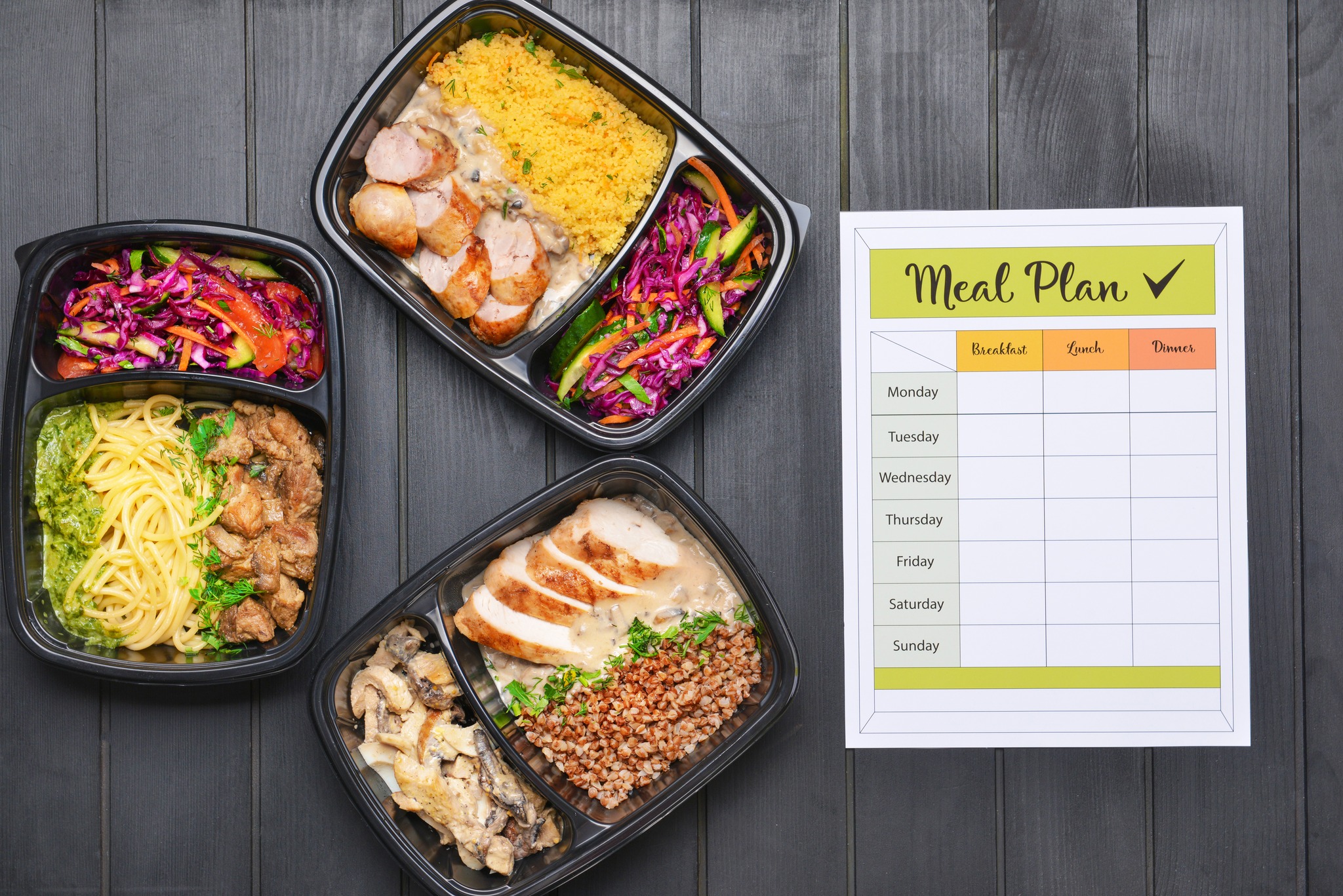
Discover how easy balanced meal planning can be when you access expert-designed menus and fresh meals at Fresh Fitness Food. Start now and take control of your nutrition by visiting our homepage to explore customizable meal plans crafted to support your unique health ambitions.
Frequently Asked Questions
How can I identify my nutritional goals for balanced meal planning?
Start by assessing your current health status and the outcomes you wish to achieve, such as weight management or increased energy levels. Write down your specific goals, and consider consulting a registered dietitian for personalized advice.
What steps should I take to assess my current eating habits?
Track everything you eat for at least one week, including portion sizes and times of consumption. Review your food diary to identify patterns and areas needing improvement to align with your nutritional goals.
How do I choose fresh, macro-balanced ingredients for my meals?
Select a variety of lean proteins, complex carbohydrates, and healthy fats to create balanced meals. Aim to fill half your plate with vegetables and fruits, one-quarter with whole grains, and one-quarter with protein sources.
What is the best way to build personalized meal menus?
Create menus that reflect your nutritional goals, personal tastes, and cooking skills. Make a flexible plan that allows room for variety and spontaneity while covering all necessary macronutrients.
How can I verify the balance of my meals and adjust them accordingly?
Use the Healthy Eating Plate guidelines to evaluate each meal visually. Take notes on your energy levels and satiety after meals, and adjust your macronutrient ratios as needed for better balance and satisfaction.