

Macro-Balanced Meals: 70% Fat Keto vs 40-30-30 Options
Finding time to prepare meals that support your fitness goals while juggling a demanding career in Bucharest is tough. You need convenient, macro-balanced options that deliver precise nutrition without hours of meal prep. This guide breaks down key macro ratios and provides concrete examples across omnivore, vegan, and keto approaches, helping you select meals that match your lifestyle and fitness objectives.
Table of Contents
- Understanding Macro-Balanced Meals: Key Concepts And Selection Criteria
- Example 1: Omnivore Macro-Balanced Meal With Chicken, Quinoa, And Vegetables
- Example 2: Vegan Macro-Balanced Meal With Lentils, Brown Rice, And Avocado
- Example 3: Keto Macro-Balanced Meal With Salmon, Asparagus, And Olive Oil
- Comparing Macro-Balanced Meal Options: Vegetarian, Omnivore, And Keto
- Practical Tips For Choosing And Ordering Macro-Balanced Meals In Bucharest
- Summary Comparison And Situational Recommendations
- Find Your Perfect Macro-Balanced Meal Plan Today
Key Takeaways
| Point | Details |
|---|---|
| Macro fundamentals | Balanced meals typically follow a 40-30-30 ratio of carbs, protein, and fats for optimal energy. |
| Diet variety | Omnivore, vegan, and keto meals offer distinct macro profiles tailored to different fitness goals and preferences. |
| Portion accuracy | Proper portioning prevents overeating and maintains steady energy throughout your day. |
| Selection factors | Consider macro accuracy, dietary preference, convenience, and calorie control when choosing meals. |
Understanding Macro-Balanced Meals: Key Concepts and Selection Criteria
Macronutrients, or macros, are the three main nutrients your body needs in large amounts: carbohydrates for energy, protein for muscle repair and growth, and fats for hormone production and nutrient absorption. A typical balanced macro ratio is 40% carbohydrates, 30% protein, and 30% fats, though this varies based on individual goals.
Most fitness-oriented meals range from 400 to 700 calories per serving. This range supports energy needs without excess, making it easier to manage weight and performance goals.
When selecting macro-balanced meals, several criteria matter:
- Macro accuracy: Clear nutritional information ensures you hit your targets
- Dietary preference: Choose options that align with your ethics and taste
- Convenience: Fresh delivery saves time for busy schedules
- Calorie control: Proper portions prevent unintended energy surplus
Pro Tip: Start by tracking your current intake for three days to understand your baseline. This helps you identify which macro adjustments will best support your fitness goals.
Portion control is essential for energy management. Even nutritious meals can sabotage your progress if portions are too large. Pre-portioned macro-balanced meal benefits eliminate guesswork and support consistent results.
Example 1: Omnivore Macro-Balanced Meal with Chicken, Quinoa, and Vegetables
An omnivore meal built around chicken breast, quinoa, and mixed vegetables exemplifies the classic 40-30-30 ratio. Chicken breast delivers approximately 30g of lean protein per serving, supporting muscle maintenance and recovery after workouts.
Quinoa provides about 40g of complex carbohydrates that release energy steadily throughout your day. Unlike simple carbs, quinoa keeps blood sugar stable and prevents energy crashes.
Fresh vegetables add fiber, vitamins, and minerals while keeping calories in check. A drizzle of olive oil provides healthy fats for nutrient absorption and satiety.
This meal structure offers several advantages:
- High protein content supports muscle synthesis
- Complex carbs fuel workouts and daily activities
- Fiber promotes digestive health and fullness
- Easy to prepare in bulk for meal prep
Pro Tip: Rotate your protein sources throughout the week. Turkey, lean beef, and fish offer different micronutrient profiles while maintaining similar macro ratios.
Omnivore meals suit most fitness goals, from muscle building to general health maintenance. The combination of complete protein and balanced macros makes them especially effective for balanced meals for bodybuilding and strength training.
Example 2: Vegan Macro-Balanced Meal with Lentils, Brown Rice, and Avocado
Plant-based athletes can achieve similar macro balance using lentils, brown rice, and avocado. Lentils provide 25 to 30g of plant-based protein per cup when cooked, making them an excellent meat alternative for muscle support.
Brown rice contributes 40 to 50g of complex carbohydrates, matching the energy needs of active individuals. The combination of lentils and rice creates a complete protein profile with all essential amino acids.
Avocado or mixed nuts add healthy monounsaturated fats. These fats support hormone production and provide lasting satiety between meals.
Vegan macro-balanced meals offer distinct nutritional advantages:
- Lower saturated fat compared to animal-based proteins
- Higher fiber content supports digestive health
- Rich in antioxidants and phytonutrients
- Environmentally sustainable protein sources
These meals work well for those following vegan fitness tips while pursuing muscle gain or weight management. Proper meal planning ensures you meet protein requirements without relying on animal products.
Busy professionals appreciate vegan meal solutions that arrive fresh and ready to eat. This eliminates the time-consuming process of combining plant proteins and calculating macros.
Example 3: Keto Macro-Balanced Meal with Salmon, Asparagus, and Olive Oil
Ketogenic meals flip traditional macro ratios dramatically. Keto macro-balanced meals shift to approximately 70% fat, 25% protein, and 5% carbohydrates, designed to trigger fat adaptation and ketosis.

Salmon serves as an ideal keto protein source, rich in omega-3 fatty acids and naturally high in fat. A typical serving provides 25g protein with beneficial fats that support the ketogenic state.
Asparagus and other low-carb vegetables add fiber and micronutrients without exceeding the strict 5% carbohydrate limit. Liberal amounts of olive oil or butter increase fat content to the required 70%.
Keto meals support specific fitness scenarios:
- Sustained energy from fat metabolism
- Reduced hunger and cravings
- Potential benefits for endurance athletes
- Effective for certain metabolic goals
“The ketogenic diet fundamentally changes how your body produces energy, shifting from glucose to ketones as the primary fuel source. This metabolic adaptation takes several weeks and requires strict macro adherence.”
However, keto meals are less versatile for general fitness. The extreme carbohydrate restriction can impair high-intensity training performance. Most athletes perform better with moderate carb intake unless specifically pursuing fat adaptation for ultra-endurance events.
Consider your training style before committing to keto. The ketogenic diet works best for steady-state cardio rather than explosive strength training or HIIT workouts.
Comparing Macro-Balanced Meal Options: Vegetarian, Omnivore, and Keto
Understanding how meal types differ helps you make informed choices. Each approach offers unique benefits depending on your fitness goals and dietary preferences.
| Meal Type | Protein (g) | Carbs (g) | Fat (g) | Fiber (g) | Best For |
|---|---|---|---|---|---|
| Omnivore | 30-35 | 45-50 | 15-20 | 8-10 | Muscle gain, general fitness |
| Vegan | 25-30 | 50-55 | 12-18 | 12-15 | Plant-based athletes, ethics |
| Keto | 25-30 | 5-10 | 45-50 | 6-8 | Fat adaptation, endurance |
Protein content remains relatively consistent across all three options. This ensures adequate muscle support regardless of dietary choice.
Carbohydrate levels vary dramatically. Omnivore and vegan meals provide substantial carbs for workout fuel, while keto meals minimize them to trigger ketosis.
Fat content distinguishes keto meals most clearly. The 70% fat requirement creates meals with triple the fat of traditional balanced options.
Fiber varies based on plant content. Vegan meals naturally contain more fiber, supporting digestive health and satiety.
Key differences for meal selection:
- Omnivore meals balance all macros for versatile fitness support
- Vegan options maximize fiber and plant nutrients
- Keto meals prioritize fat for metabolic adaptation
- Price points vary, with specialty keto ingredients often costing more
Bucharest residents can access all three types through meal delivery services. Compare fitness meal plans to find options matching your budget and goals.
Practical Tips for Choosing and Ordering Macro-Balanced Meals in Bucharest
Selecting the right meals requires a systematic approach. Follow these steps to match meals with your specific needs:
- Assess your primary fitness goal (muscle gain, fat loss, maintenance)
- Calculate target macros based on your body weight and activity level
- Choose a dietary preference you can sustain long-term
- Verify nutritional information before ordering
- Consider delivery logistics and meal freshness
- Evaluate cost relative to nutritional quality
Pro Tip: Start with a one-week trial before committing to monthly plans. This lets you test meal quality, portion sizes, and how well the macros match your needs.
Meal portioning designed around macros prevents overeating and helps manage energy. Pre-portioned meals eliminate the guesswork that often derails home cooking attempts.
Customization options matter for busy professionals. Look for services offering macro adjustments based on your training schedule. Some days require more carbs for intense workouts, while rest days may need fewer calories overall.
Delivery speed and freshness directly impact meal quality. Fresh ingredients retain more nutrients and taste better than frozen alternatives. Bucharest-based services should deliver within 24 hours of preparation.
Cost considerations include more than just meal price. Factor in time saved on grocery shopping, meal prep, and cleanup. Many professionals find the convenience justifies premium pricing.
Review choosing macro-balanced meals and balanced meal planning for detailed selection frameworks.
Summary Comparison and Situational Recommendations
Here’s a comprehensive comparison to guide your final decision:
| Scenario | Recommended Type | Key Reason | Approximate Cost |
|---|---|---|---|
| Muscle building | Omnivore | High protein, moderate carbs | 35-45 RON/meal |
| Vegan lifestyle | Plant-based | Ethical choice, high fiber | 30-40 RON/meal |
| Fat adaptation | Keto | Metabolic shift, low carbs | 40-50 RON/meal |
| Busy schedule | Any fresh delivery | Time savings, convenience | 30-50 RON/meal |
Best picks by situation:
- Muscle gain: Omnivore meals with 30g+ protein and balanced carbs
- Vegan athletes: Lentil or tofu-based meals with complete amino acids
- Keto adaptation: High-fat salmon or avocado-rich options
- Tight schedules: Pre-portioned fresh delivery eliminating prep time
Cost versus convenience requires honest evaluation. Meal services cost more than home cooking but save 5 to 7 hours weekly. For professionals earning good salaries, this time trade-off often makes financial sense.
Your success depends on choosing meals you’ll actually eat consistently. The perfect macro ratio means nothing if you can’t stick with it. Select practical fitness meal plans that fit your taste preferences and lifestyle.
Find Your Perfect Macro-Balanced Meal Plan Today
Ready to simplify your nutrition while hitting your fitness targets? FreshFitnessFood.ro delivers fresh, macro-balanced meals directly to busy Bucharest professionals.
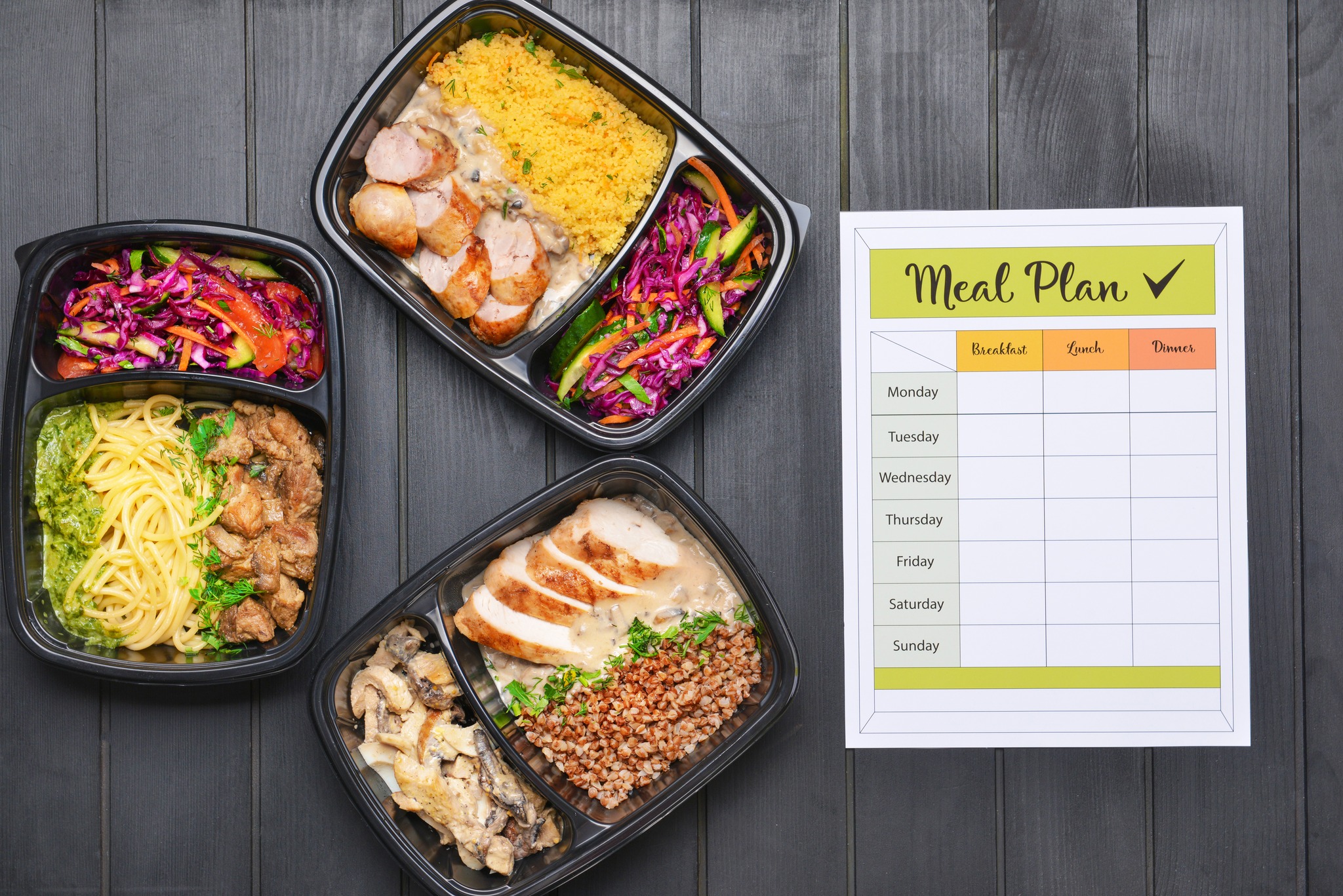
Explore customizable plans designed by nutrition experts. Whether you need high-protein omnivore meals, plant-based vegan options, or specialized keto meals, you’ll find solutions matching your exact requirements. Fresh delivery eliminates meal prep time while ensuring you stay on track.
Discover why meal plans work better than DIY approaches. Learn about meal planning for fitness success. Compare practical fitness meal plans to find your ideal match.
Frequently Asked Questions
What are macro-balanced meals and why are they important?
Macro-balanced meals contain calculated amounts of carbohydrates, protein, and fats to support specific fitness goals. Balancing these macronutrients optimizes energy levels, muscle recovery, and body composition changes. The standard 40-30-30 ratio provides versatile support for most training styles, though ratios adjust based on individual needs. Choosing macro meals strategically enhances both performance and results.
How do I choose the right macro-balanced meal for my dietary preference?
Match meal macros to your dietary style while ensuring you can sustain the choice long-term. Omnivore meals offer flexibility, vegan options align with plant-based ethics, and keto meals support fat adaptation goals. Consistency matters more than perfection, so choose meals you genuinely enjoy eating. Explore vegan fitness tips if plant-based eating interests you.
Are keto macro-balanced meals suitable for everyone trying to lose weight?
No, keto meals serve specific fat adaptation goals rather than general weight loss. The ketogenic diet works best for endurance athletes or those with particular metabolic needs. Most people lose weight effectively with balanced 40-30-30 meals that include moderate carbs. Keto’s extreme restrictions make it harder to maintain for many individuals.
How can busy professionals in Bucharest best access macro-balanced meals?
Use fresh meal delivery services offering macro customization and quick turnaround times. Quality services deliver within 24 hours of preparation, ensuring maximum freshness and nutrient retention. Look for meal plans designed for busy professionals that eliminate shopping and prep time. Pre-portioned meals with verified macros remove guesswork from your nutrition strategy.