

Clean Eating in 2026: 80% Adherence Boosts Wellness
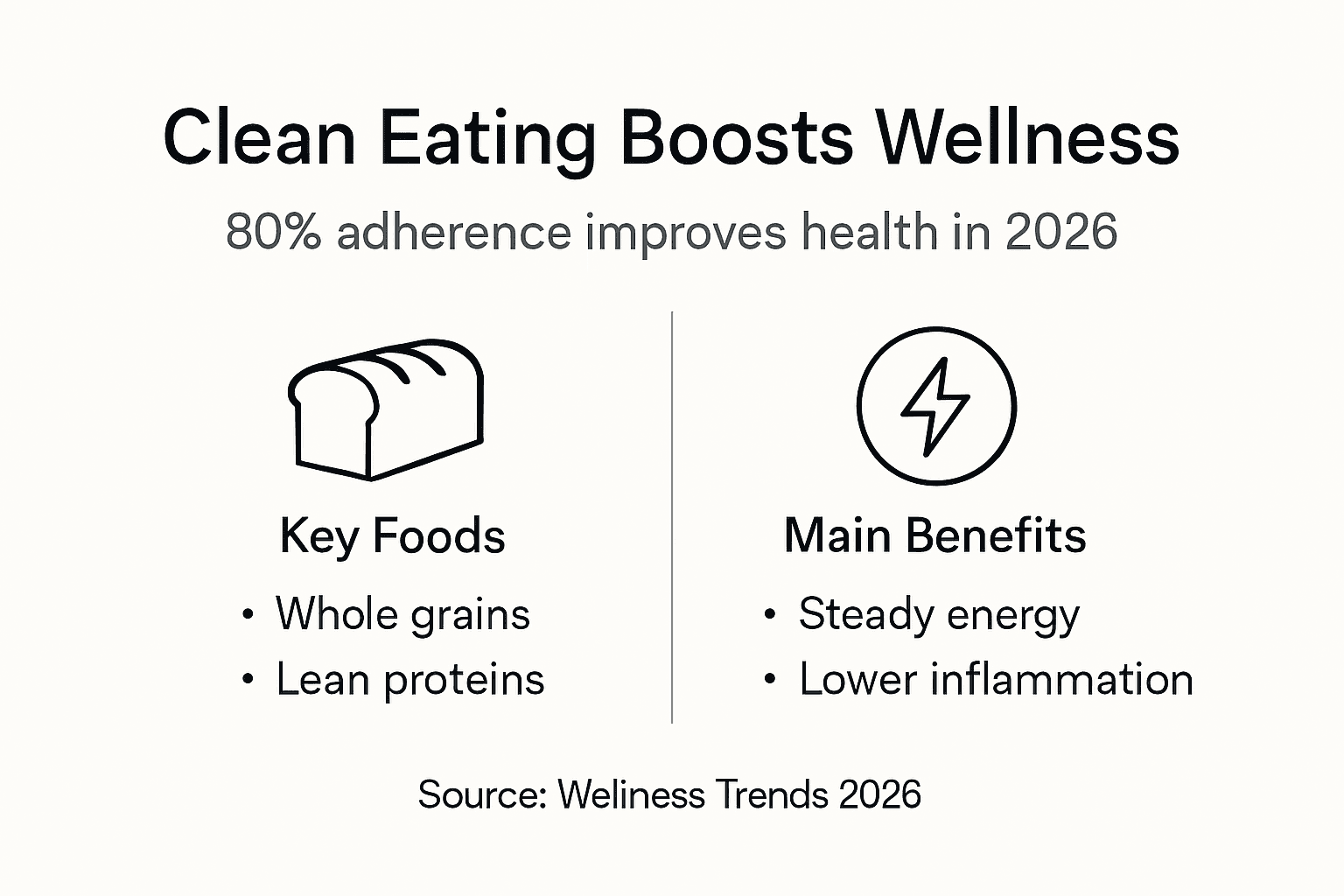
Clean eating often gets misunderstood as a rigid diet that eliminates all your favorite foods and demands expensive ingredients. The reality is far more flexible and sustainable, with research showing an 80% adherence rate when approached thoughtfully. This article reveals why clean eating effectively supports weight management and overall wellness, especially for busy professionals and fitness enthusiasts in Romania seeking convenient, healthy eating solutions that fit their demanding schedules.
Table of Contents
- Understanding Clean Eating: Principles and Definition
- Why Clean Eating Supports Weight Management and Wellness
- Common Misconceptions About Clean Eating
- Comparison With Other Dietary Approaches
- Convenience of Clean Eating for Busy Lifestyles
- Practical Application of Clean Eating for Busy Individuals
- Discover Personalized Clean Eating Meal Plans
- FAQ
Key Takeaways
| Point | Details |
|---|---|
| Core Principle | Clean eating focuses on whole, minimally processed foods without eliminating entire food groups. |
| Weight Management | Improves insulin sensitivity by 15-20% and reduces inflammation, supporting sustainable weight control. |
| Flexibility Advantage | Allows 60% more dietary variety than restrictive diets like keto or paleo. |
| Practical Implementation | Meal delivery services reduce prep time by over 60% while maintaining nutritional quality. |
| Personalization Impact | Tailored meal plans increase goal achievement success by 30-40% compared to generic approaches. |
Understanding Clean Eating: Principles and Definition
Clean eating centers on consuming whole, nutrient-dense foods while minimizing intake of ultra-processed items laden with refined sugars and artificial additives. Unlike fad diets that eliminate entire macronutrient categories, clean eating emphasizes food quality and processing level rather than rigid restrictions.
The fundamental principles include:
- Choosing fresh fruits and vegetables as dietary staples
- Selecting whole grains over refined alternatives
- Prioritizing lean proteins from quality sources
- Reducing consumption of foods with added sugars and preservatives
- Reading ingredient labels to identify hidden additives
This approach differs sharply from restrictive diets because it focuses on what you add to your plate rather than what you eliminate. You can enjoy carbohydrates, fats, and proteins in balanced proportions while still following clean eating principles. The key lies in selecting minimally processed versions of these foods.
For busy professionals seeking healthy eating for busy lifestyles, clean eating provides flexibility without compromising nutritional goals. You maintain control over ingredient quality while adapting meal choices to your schedule and preferences.
Why Clean Eating Supports Weight Management and Wellness
Clean eating delivers measurable physiological benefits that directly support weight control and overall health improvement. Studies demonstrate improvement of insulin sensitivity by up to 15-20% after 8 weeks of consistent clean eating patterns, which enhances your body’s ability to regulate blood sugar and metabolism.
When you reduce ultra-processed food consumption, systemic inflammation markers decrease significantly. This reduction supports faster recovery from workouts, improved immune function, and better overall wellness. Lower inflammation also correlates with reduced risk of chronic diseases and enhanced mental clarity.
“The quality of food you consume affects every cell in your body. Clean eating provides the raw materials your metabolism needs to function optimally, supporting sustainable weight management without extreme calorie restriction.”
Balanced nutrition from clean eating sustains energy levels throughout demanding workdays. You avoid the blood sugar crashes associated with processed foods high in refined carbohydrates. This stable energy supports both physical performance and cognitive function, making it easier to maintain healthy habits long term.

The impact of fresh meals on energy and health becomes evident within weeks of adopting clean eating principles. Your body responds to quality nutrition with improved metabolic efficiency and enhanced ability to achieve wellness goals.
Common Misconceptions About Clean Eating
Many people avoid clean eating because they believe it requires eliminating all processed foods or purchasing expensive organic ingredients. These misconceptions create unnecessary barriers to adoption. Research shows an 80% adherence rate observed in flexible clean eating interventions over six months, proving sustainability when approached with flexibility.
Let’s address the most prevalent myths:
- Clean eating allows variety and does not require perfect adherence to be effective
- Common fresh foods from local markets suffice without exotic or costly ingredients
- You can include occasional treats while maintaining overall clean eating patterns
- It differs from keto or paleo by including all macronutrient groups
- Flexible implementation promotes long-term success over rigid restrictions
The focus on food quality rather than elimination makes clean eating adaptable to different cultural cuisines and personal preferences. You can enjoy Romanian traditional dishes by preparing them with whole ingredients and minimal processing.
Pro Tip: Start by swapping one processed item per week with a whole food alternative. Replace packaged snacks with fresh fruits, swap white bread for whole grain versions, or choose plain yogurt over flavored varieties with added sugars. This gradual approach builds sustainable habits without overwhelming your routine.
Comparison With Other Dietary Approaches
Understanding how clean eating differs from popular diet trends helps you make informed decisions about which approach suits your lifestyle and goals. Over 60% of clean eating plans do not exclude carbohydrate or fat groups, unlike keto and paleo variants, offering greater flexibility.
| Diet Approach | Primary Focus | Macronutrient Restrictions | Flexibility Level | Best For |
|---|---|---|---|---|
| Clean Eating | Food processing level | None | High | Sustainable lifestyle change |
| Keto | Carbohydrate elimination | Very low carbs | Low | Short-term weight loss |
| Paleo | Ancestral food patterns | Grains, legumes, dairy | Medium | Specific health conditions |
| Processed Food Reduction | Limiting additives | Minimal | High | Gradual transition |
Key advantages of clean eating include:
- Adaptability to various fitness goals without extreme restrictions
- Inclusion of all food groups supports nutritional completeness
- Higher long-term adherence rates due to flexibility
- Easier social dining without strict food category avoidance
- Sustainable approach that evolves with changing needs
Clean eating serves as a framework rather than a rigid rulebook. You adjust food choices based on your goals while maintaining focus on quality and minimal processing. This adaptability explains why clean eating works for weight loss, muscle gain, and general wellness without requiring different diet versions.
Convenience of Clean Eating for Busy Lifestyles
Time constraints often prevent busy professionals from maintaining healthy eating habits. Clean eating becomes highly practical when you leverage meal delivery services convenience that reduce preparation time by over 60% while maintaining nutritional quality.
Ready-to-eat fresh options eliminate cooking without compromising on whole food principles. These services prepare meals using minimally processed ingredients, balanced macronutrients, and no artificial additives, aligning perfectly with clean eating standards.
Practical benefits for busy individuals:
- Pre-portioned meals eliminate guesswork about serving sizes
- Fresh ingredient delivery removes grocery shopping time
- Variety in meal options prevents diet fatigue
- Nutrition information transparency supports goal tracking
- Flexible scheduling accommodates unpredictable work hours
Planning ahead supports sustained healthy habits even during demanding work periods. When you establish a routine with reliable meal sources, you eliminate the decision fatigue that often leads to processed food choices.
Pro Tip: Select services that offer personalized clean eating plans matching your specific goals, whether weight loss, muscle building, or general wellness. Look for options that allow macro customization and ingredient preferences to ensure meals align with your clean eating principles and taste preferences.
Practical Application of Clean Eating for Busy Individuals
Implementing clean eating requires strategic planning rather than drastic lifestyle overhaul. Research demonstrates 30-40% higher goal success rate with personalized meal plans over 12 weeks compared to generic dietary advice.
Follow these steps to integrate clean eating into your busy schedule:
- Assess your current eating patterns and identify processed foods you consume most frequently.
- Set realistic goals based on your fitness objectives, whether weight management, energy improvement, or performance enhancement.
- Explore personalized meal plans for busy lives that align with clean eating principles and your schedule.
- Start with partial meal replacement, such as having prepared clean meals for lunch while gradually improving breakfast and dinner choices.
- Track your progress through energy levels, workout performance, and how you feel rather than just scale weight.
- Adjust your approach based on results, increasing or decreasing portion sizes and macronutrient ratios as needed.
- Build variety into your meal rotation to prevent monotony and ensure diverse nutrient intake.
Personalization proves critical for sustained success. How to build a personalized meal plan guides you through calculating appropriate macronutrient ratios for your specific goals and activity level.
Maintaining flexibility prevents the all or nothing mentality that sabotages many diet attempts. If you eat a processed meal occasionally, simply return to clean eating at your next meal without guilt or compensatory restriction.
Use a healthy eating checklist for busy professionals to ensure you consistently meet nutritional needs despite time pressure. This systematic approach removes uncertainty and builds confidence in your food choices.
Discover Personalized Clean Eating Meal Plans
Transitioning to clean eating becomes effortless when you have support from services designed specifically for busy, health-conscious individuals. Fresh Fitness Food offers convenient, fresh, macro-balanced meal plans that embody clean eating principles while eliminating time-consuming meal preparation.
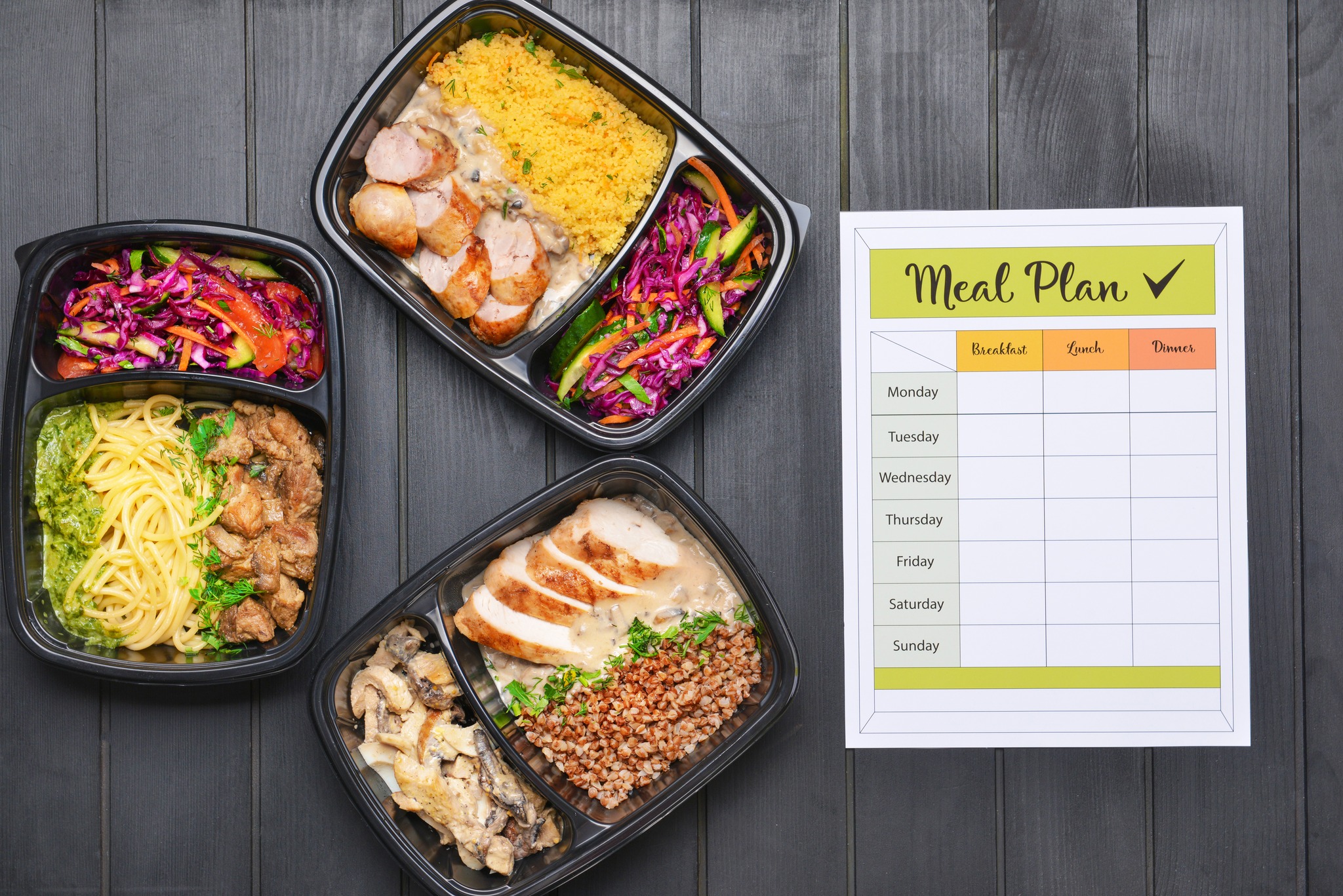
Our personalized meal plans for busy lives adapt to your weight management goals, fitness objectives, and dietary preferences. Each meal features whole ingredients, balanced nutrition, and zero artificial additives, delivering the clean eating benefits discussed throughout this article.
Busy professionals and fitness enthusiasts across Romania trust our service to maintain healthy habits without sacrificing precious time. Whether you aim for weight loss, muscle gain, or sustained energy, our tailored approach supports your specific wellness journey.
Explore why choose meal plans designed for results and convenience, allowing you to focus on your career and fitness goals while we handle the nutritional foundation.
FAQ
What foods are considered clean eating staples?
Staples include fresh fruits and vegetables, whole grains like quinoa and brown rice, lean proteins such as chicken and fish, plus nuts and seeds. These foods undergo minimal processing and contain no added sugars or artificial ingredients. Focus on items with short ingredient lists you can recognize and pronounce.
How can I maintain clean eating while working long hours?
Use meal delivery services offering clean eating options and plan meals ahead to reduce cooking time. Keep healthy snacks like raw nuts, fresh fruit, and vegetable sticks handy to avoid processed convenience foods when hunger strikes during busy workdays.
Is clean eating suitable for all fitness goals?
Yes, clean eating adapts through macro-balanced plans to support weight loss, muscle gain, and endurance training. Personalization is key to aligning nutrition with specific fitness goals, adjusting portion sizes and macronutrient ratios while maintaining focus on whole food quality. Review fitness meal plans examples to see how clean eating supports diverse objectives.
How does clean eating reduce inflammation?
Avoiding ultra-processed foods lowers harmful inflammation markers in your body, with studies showing up to 28% reduction in C-reactive protein after 10 weeks of reduced processed food consumption. This reduction supports better recovery from workouts, enhanced immune function, and overall wellness improvement.
Can I eat out and still follow clean eating principles?
Yes, choose restaurants offering fresh, made-to-order dishes and request simple preparations without heavy sauces. Opt for grilled proteins, steamed vegetables, and whole grain sides. Ask about ingredient sourcing and preparation methods to ensure minimal processing, making social dining compatible with your clean eating lifestyle.