

Personalized Nutrition Checklist: 15-25% Better Adherence
Busy professionals often struggle to maintain personalized nutrition plans that align with fitness goals. Without a structured approach, meal planning becomes overwhelming and adherence drops. A well-designed checklist tailored to your energy needs, dietary preferences, and health conditions can streamline decision-making, improve consistency, and boost results by up to 25% compared to generic approaches.
Table of Contents
- Selection Criteria For Personalized Nutrition Checklists
- Checklist Items By Fitness Goal
- Checklist Items By Dietary Preference
- Checklist Items By Health Condition
- Comparison Of Checklist Approaches
- Implementation Tips For Busy Professionals
- Summary Comparison And Situational Recommendations
- Optimize Your Nutrition With Personalized Meal Plans
- Frequently Asked Questions
Key Takeaways
| Point | Details |
|---|---|
| Selection criteria | Prioritize individual energy expenditure, dietary preferences, and health conditions when building your checklist. |
| Goal-specific items | Protein targets range from 0.8 g/kg for maintenance to 2.0 g/kg for muscle gain, with calorie adjustments per goal. |
| Adherence advantage | Macro-balanced checklists deliver 15-25% better long-term adherence versus restrictive single-focus diets. |
| Implementation strategy | Batch cooking reduces meal prep time by 50%, while digital tracking tools maintain momentum. |
| Flexible customization | Adapt checklist components to accommodate vegan, keto, gluten-free, or medical requirements without compromising nutrition. |
Selection Criteria for Personalized Nutrition Checklists
Your checklist foundation starts with understanding individual energy expenditure. Personalized nutrition plans should consider individual energy expenditure to optimize nutrient intake accurately, as calorie needs vary dramatically based on activity level, metabolism, and body composition. A sedentary office worker requires far fewer calories than someone training for a marathon.
Micronutrient monitoring deserves equal attention to macros. Tracking vitamins, minerals, and hydration prevents hidden deficiencies that undermine performance and recovery. Iron, vitamin D, magnesium, and B vitamins often fall short in busy lifestyles, yet they’re critical for energy production and immune function.
Health conditions must integrate seamlessly into your planning framework. Diabetes demands blood glucose monitoring and careful carbohydrate timing. Food allergies require vigilant ingredient screening. Ignoring medical factors risks serious complications and sabotages progress.
Dietary restrictions shape your checklist structure significantly. Whether you follow vegan, keto, paleo, or gluten-free protocols, your checklist needs flexibility to accommodate these preferences while maintaining nutritional completeness. The fitness nutrition checklist steps framework adapts to various eating styles without sacrificing results.
Practicality matters most for sustained adherence. Your checklist should include time-efficient meal prep strategies, portable snack options, and digital tracking tools that fit seamlessly into packed schedules. Complex systems fail when life gets hectic.
Pro Tip: Start with just three checklist items (calories, protein, and one micronutrient) before expanding. Mastering basics builds confidence and prevents overwhelm that derails beginners.
- Assess your baseline energy needs using activity multipliers and body composition data
- Identify potential nutrient gaps based on current eating patterns and lab work
- Account for food preferences and cultural traditions to improve long-term sustainability
- Build in buffer room for social events and occasional indulgences
- Review and adjust quarterly as fitness levels and goals evolve
Checklist Items by Fitness Goal
Protein requirements shift dramatically based on your training focus. Protein intake varies from 0.8 to 2.0 g/kg body weight depending on muscle gain or maintenance goals. Endurance athletes function well at 1.2-1.4 g/kg, while bodybuilders pursuing hypertrophy need 1.6-2.0 g/kg to support muscle protein synthesis.

Caloric positioning drives whether you lose fat or build muscle. Weight loss requires a deficit of 300-500 calories below maintenance, while muscle gain demands a surplus of 200-400 calories above baseline. The margin matters because excessive deficits sacrifice muscle mass, and oversized surpluses add unnecessary fat.
Carbohydrate timing and quantity depend heavily on training type. Strength athletes perform well on moderate carbs (30-40% of calories), allocating most around workouts. Distance runners need higher intake (50-60% of calories) to fuel glycogen stores and sustain performance during long sessions.
Fat intake balances the remaining calorie budget while supporting hormone production. Most goals work well with 20-30% of calories from fat, emphasizing omega-3s and monounsaturated sources. Avoid dropping below 15%, as this can disrupt hormonal health and nutrient absorption.
Pro Tip: Track your checklist compliance rate weekly rather than daily. This reduces stress while revealing patterns that help you optimize meal timing and food choices for better consistency.
- Calculate your maintenance calories using a validated formula or metabolic testing
- Set protein target first based on goal (maintenance, fat loss, or muscle gain)
- Allocate carbs according to training volume and intensity demands
- Fill remaining calories with healthy fats to reach your total energy target
- Add micronutrient targets for vitamins and minerals most relevant to your goal
- Include hydration benchmarks tied to body weight and sweat rate
- Schedule weekly progress reviews to adjust fitness meal programs as needed
Checklist Items by Dietary Preference
Vegan checklists require vigilant monitoring of potential nutrient gaps. Vitamin B12, iron, zinc, and omega-3s need special attention since plant sources often lack bioavailability or completeness. Complete protein combinations become essential, pairing legumes with grains or using quinoa, hemp, and soy for amino acid profiles that match animal products.
Keto followers emphasize fat intake around 70% of calories, with protein at 20-25% and carbs restricted to 5-10%. This macro split forces the body into ketosis, burning fat for fuel. However, long-term adherence proves challenging for many people due to social limitations and restrictive food choices that reduce diet satisfaction over time.
Gluten-free planning extends beyond avoiding wheat, barley, and rye. Hidden gluten lurks in sauces, processed meats, and cross-contaminated oats. Your checklist must include label reading protocols and alternative grain sources like rice, quinoa, and certified gluten-free products to prevent accidental exposure and nutrient shortfalls from eliminating fortified wheat products.
European data shows plant-based eating rising by double digits annually, with keto interest peaking then stabilizing. These types of fitness diets reflect growing awareness that personalization trumps one-size-fits-all approaches, yet each pattern demands specific checklist modifications to avoid deficiencies.
- Vegan: supplement B12, monitor iron and zinc status, ensure complete protein daily
- Keto: track electrolytes (sodium, potassium, magnesium), monitor fiber intake, assess energy levels
- Paleo: verify adequate calcium without dairy, balance omega-6 to omega-3 ratios
- Gluten-free: replace lost B vitamins and fiber from fortified grains, avoid processed substitutes
- Mediterranean: prioritize olive oil and fish, include diverse vegetables and whole grains
Checklist Items by Health Condition
Diabetes management centers on blood glucose stability through balanced macronutrient timing. Your checklist should include pre and post-meal glucose targets, carbohydrate counting per meal, and fiber intake goals. Pairing carbs with protein and fat slows absorption, preventing dangerous spikes and crashes that complicate insulin management.
Food intolerances and allergies demand strict avoidance protocols in your checklist. Beyond eliminating trigger foods, track symptom patterns to identify hidden sensitivities. Cross-contamination awareness becomes critical when dining out or using shared kitchen equipment. Many people discover multiple sensitivities over time, requiring ongoing checklist refinements.
Micronutrient insufficiencies affect up to 30% of adults, often overlapping with chronic conditions. Iron deficiency anemia, vitamin D insufficiency, and magnesium depletion frequently compound health challenges while going undetected. Regular testing and targeted supplementation form essential checklist components when deficiencies emerge.
Cardiovascular conditions require sodium monitoring, omega-3 emphasis, and fiber targets to manage blood pressure and cholesterol. Your checklist must balance heart-healthy fats while limiting saturated fat and trans fats. Potassium-rich foods help counteract sodium’s effects, making mineral balance a key tracking point.
- Schedule quarterly blood work to catch emerging deficiencies before symptoms appear
- Build symptom tracking into daily checklist reviews to spot food-reaction patterns
- Coordinate checklist targets with medical providers to ensure alignment with treatment plans
- Create emergency protocols for severe allergic reactions or blood sugar emergencies
- Update your checklist immediately when medications change, as some affect nutrient needs
Comparison of Checklist Approaches
Macro-balanced plans show 15-25% higher adherence and better long-term weight management compared to keto-only approaches. This advantage stems from greater food variety, easier social integration, and sustainable lifestyle fit. Restrictive protocols work short term but often trigger rebound weight gain when people inevitably relax rigid rules.
Keto checklists deliver rapid initial results through water weight loss and appetite suppression. However, the strict 70% fat requirement limits food choices significantly. Many adherents struggle past the three-month mark as cravings intensify and social situations become difficult to navigate without breaking ketosis.
Vegan checklists offer excellent flexibility with growing restaurant options and packaged foods. The learning curve involves mastering complete proteins and identifying hidden animal products. Success requires proactive B12 supplementation and attention to iron, zinc, and omega-3 status to prevent deficiencies that develop slowly over years.
Flexible macro-based checklists accommodate any dietary preference while maintaining nutritional targets. You set protein, carb, and fat ranges rather than rigid numbers, allowing daily variation based on appetite, schedule, and food availability. This approach suits busy professionals who need adaptability without sacrificing results.
| Approach | Key Features | Adherence Rate | Best For |
|---|---|---|---|
| Macro-Balanced | Flexible macros, all food groups | 70-85% long-term | General fitness, sustainable results |
| Keto-Focused | 70% fat, <10% carbs | 45-60% beyond 3 months | Rapid initial fat loss, metabolic conditions |
| Vegan | Plant-only, B12 supplement needed | 60-75% with planning | Ethical preferences, environmental values |
| Condition-Specific | Medical integration, symptom tracking | 65-80% with support | Diabetes, allergies, chronic conditions |
- Macro-balanced checklists provide best adherence through flexibility and food variety
- Keto works short term but proves difficult to sustain beyond initial motivation
- Vegan requires careful planning but aligns with growing plant-based food availability
- Medical conditions need specialized checklists that prioritize safety over convenience
- Combining approaches (like vegan + macro-balanced) offers personalization and sustainability
Implementation Tips for Busy Professionals
Batch cooking transforms your weekly routine by reducing meal prep time up to 50%. Dedicate two hours on Sunday to prepare proteins, chop vegetables, and portion grains. Store everything in clear containers labeled with macros. You’ll grab and assemble meals in minutes throughout the week instead of cooking from scratch daily while exhausted.
Meal prepping consistency beats perfection every time. Preparing even three dinners ahead puts you miles ahead of nightly scrambling. Focus on staple items that reheat well: grilled chicken, roasted vegetables, quinoa, and simple sauces. Save elaborate recipes for leisurely weekends when time pressure doesn’t sabotage execution.
Planning meals around your work schedule prevents decision fatigue and last-minute takeout. Review your calendar Sunday evening, noting late meetings, gym sessions, and social commitments. Schedule simpler meals on busy days and reserve complex recipes for lighter evenings. This prevents the 7 PM panic that leads to abandoning your checklist.
Ready-made meal services eliminate prep time entirely while maintaining personalization. Services like those focused on meal planning for fitness deliver macro-balanced meals matching your exact targets. This option costs more than home cooking but saves hours weekly and guarantees nutritional accuracy when you’re too busy to track carefully.
Digital apps simplify tracking by remembering your common foods and calculating macros automatically. Take 30 seconds after each meal to log items. The data reveals patterns impossible to spot otherwise, like weekend carb creep or insufficient protein at breakfast. Many apps sync with fitness trackers, creating a complete health picture.
Pro Tip: Prep snack boxes on Sunday with measured portions of nuts, fruit, and protein bars. Grab one on your way out the door to avoid vending machine temptations when hunger strikes between meetings.
- Choose one prep day weekly and protect it on your calendar like an important meeting
- Invest in quality storage containers that prevent sogginess and keep food fresh for five days
- Master five go-to recipes that align with your checklist and rotate them to prevent boredom
- Keep emergency backup meals frozen for weeks when life disrupts your prep routine
- Consider personalized meal plans for busy professionals when time constraints become overwhelming
Summary Comparison and Situational Recommendations
Your ideal checklist approach depends on lifestyle realities and specific goals. Weight loss works best with macro-balanced plans combined with batch cooking, providing structure without feeling restrictive. The 15-25% adherence advantage means you’re far more likely to reach your target weight and maintain it long term.
Muscle gain requires protein-focused checklists with meal timing around training sessions. Consuming 20-40 grams of protein within two hours post-workout maximizes muscle protein synthesis. Your checklist should emphasize this window while ensuring total daily protein hits 1.6-2.0 g/kg body weight through evenly distributed meals.
Health conditions like diabetes demand glucose-monitoring checklists that track carbs per meal and pair them with adequate fiber and protein. Work closely with your healthcare provider to set appropriate blood sugar targets. Your checklist becomes a medical tool, not just a fitness aid, requiring greater precision and consistency.
Busy professionals benefit most from flexible checklists supported by strategic shortcuts. Combining batch cooking with occasional meal service use creates a sustainable hybrid. Prep what you can when time allows, then rely on professional solutions during peak work periods. This pragmatic approach prevents all-or-nothing thinking that leads to complete checklist abandonment.
| User Profile | Recommended Approach | Key Checklist Items | Expected Timeline |
|---|---|---|---|
| Weight Loss Focused | Macro-balanced + batch cooking | Calorie deficit, protein 1.2-1.6 g/kg, fiber 25g+ | 8-12 weeks for initial results |
| Muscle Building | Protein-focused + timing | Calorie surplus, protein 1.6-2.0 g/kg, post-workout meals | 12-16 weeks for visible growth |
| Endurance Athlete | Carb-periodized + hydration | High carbs on training days, electrolytes, recovery protein | 4-6 weeks to optimize fueling |
| Managing Diabetes | Glucose-monitoring + balance | Carb counting, fiber, balanced macros per meal | Ongoing with quarterly reviews |
| Busy Professional | Flexible + meal service hybrid | Core macros, 3 prep meals weekly, strategic outsourcing | 2-4 weeks to establish routine |
Optimize Your Nutrition with Personalized Meal Plans
Applying checklist principles becomes effortless when experts handle the details. Fresh Fitness Food delivers personalized meal plans matching your exact fitness goals, dietary preferences, and busy schedule. Each meal arrives macro-balanced and ready to eat, eliminating prep time while ensuring you hit nutritional targets daily.
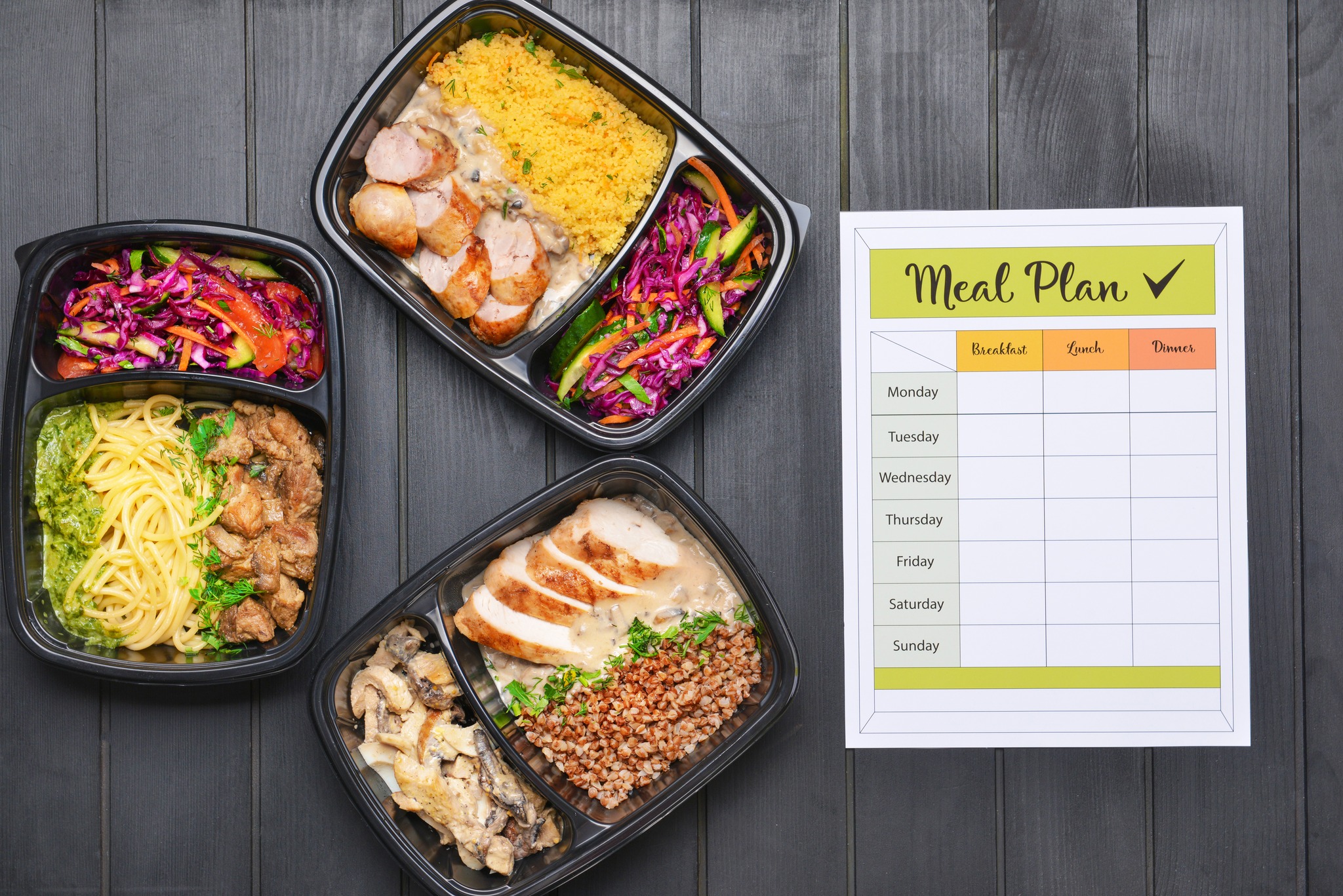
Whether you’re pursuing weight loss, muscle gain, or simply maintaining health amid a packed calendar, customized meal solutions remove guesswork and decision fatigue. You’ll enjoy restaurant-quality meals crafted by nutritionists who understand the science behind effective fitness nutrition. Every dish uses fresh ingredients selected for nutrient density and taste, making adherence natural rather than forced.
Explore how personalized meal plans transform your nutrition approach. Discover meal planning strategies for fitness that align with your training and learn about the benefits of structured meal plans for achieving lasting health results. Your personalized nutrition checklist becomes reality without sacrificing hours to planning, shopping, and cooking.
Frequently Asked Questions
What is the most important factor in a personalized nutrition checklist?
Individual energy expenditure forms the foundation of any effective checklist. Your calorie needs depend on body size, composition, activity level, and metabolic rate, varying by hundreds of calories between individuals. Getting this baseline right ensures all other targets (protein, carbs, fats) align properly with your fitness goal, whether that’s weight loss, muscle gain, or performance optimization.
How do dietary preferences affect checklist item selection?
Dietary preferences reshape which nutrients require active monitoring. Vegans must track B12, iron, and complete proteins since plant sources often lack bioavailability. Keto followers need electrolyte monitoring due to water loss from low carb intake. Each eating pattern creates specific nutrient vulnerabilities that your checklist must address to prevent deficiencies while respecting your food choices and values.
Can technology really improve checklist implementation?
Digital tracking apps reduce friction by remembering your frequent foods and calculating macros automatically. This eliminates mental math and makes logging take seconds rather than minutes. Over time, the accumulated data reveals patterns like weekend overeating or insufficient protein at certain meals, insights impossible to spot without systematic tracking. Automation turns tedious tasks into quick habits that stick.
What makes macro-balanced checklists more sustainable than restrictive diets?
Macro-balanced approaches allow food variety and flexibility, making social situations and cravings manageable without derailing progress. You can enjoy pizza by adjusting portions and balancing other meals that day. Restrictive diets forbid entire food groups, creating unsustainable rules that eventually break under normal life pressures. The 15-25% adherence advantage comes from psychological sustainability, not just nutritional completeness.
How do I balance medical conditions with fitness nutrition goals?
Integrate medical requirements as non-negotiable checklist priorities, then optimize fitness targets around them. If diabetes requires carb counting, set protein and fat targets that keep blood sugar stable while supporting your training. Work with both your doctor and a sports nutritionist to create a checklist that serves health first and performance second. Many conditions improve with proper nutrition, making this balance achievable rather than compromising.
How often should I update my personalized nutrition checklist?
Review quarterly or whenever significant changes occur in training volume, body weight, or health status. As you lose fat, gain muscle, or change workout intensity, your energy needs shift by 10-20%. Static checklists become inaccurate, causing stalls or unwanted results. Quick quarterly adjustments keep targets aligned with your evolving body and goals, maintaining steady progress without major overhauls.