

Step-by-Step Guide to Personalized Nutrition Success
Juggling busy days in Bucharest can make personalized nutrition feel out of reach. For professionals aiming to lose weight or gain muscle without constant meal prep, finding a plan that fits your real schedule is key. Science-based guidelines stress the importance of tailored meal plans and tracking progress for sustainable results. Discover how simple tools and stepwise strategies help you align daily choices with your goals and support lasting wellness.
Table of Contents
- Step 1: Assess Personal Nutrition Goals And Health Data
- Step 2: Choose And Customize The Right Meal Plan
- Step 3: Track Meal Adherence And Nutrient Intake
- Step 4: Evaluate Progress And Refine Your Nutrition Plan
Quick Summary
| Main Takeaway | Explanation |
|---|---|
| 1. Define Clear Nutrition Goals | Identify specific objectives like weight loss or muscle gain to guide your nutrition decisions effectively. |
| 2. Assess Your Current Health Data | Gather metrics such as weight, energy levels, and sleep quality to establish a baseline for your nutrition journey. |
| 3. Select a Sustainable Meal Plan | Choose a meal plan that fits your lifestyle and customize it to ensure feasibility and adherence. |
| 4. Consistently Track Your Intake | Use a chosen method to log meals and nutrients to identify patterns and make informed adjustments for improvement. |
| 5. Review and Adjust Regularly | Evaluate your progress after four weeks and make one adjustment at a time to optimize your nutrition strategy. |
Step 1: Assess personal nutrition goals and health data
Before diving into any nutrition plan, you need a clear picture of where you are and where you want to go. This assessment step saves time and prevents wasted effort on misaligned nutrition strategies.
Start by defining your primary goals. Are you aiming for weight loss, muscle gain, improved energy, or better athletic performance? Be specific. “Feel healthier” won’t guide your decisions the way “lose 8 pounds while maintaining muscle” will.
Next, gather your current health data. Track these essentials:
- Current weight and body composition (if possible, measure body fat percentage)
- Energy levels throughout your typical day
- How your current diet makes you feel
- Any digestive issues, food sensitivities, or allergies
- Sleep quality and recovery from workouts
- Activity level and exercise frequency
Consider your lifestyle constraints too. As a busy professional in Bucharest, you likely juggle meetings, commutes, and limited kitchen time. These realities matter when building a sustainable plan.
Review your eating patterns honestly. What does a typical weekday meal look like? When do you feel most hungry or fatigued? Do weekends differ drastically from weekdays? This baseline prevents plans that ignore your actual life.
Your assessment isn’t about perfection—it’s about creating a starting point that reflects your real situation, not an idealized version of it.
For science-backed guidance, reference dietary guidelines for assessing nutrient needs to understand how your personal health status influences nutrition choices. This ensures your goals align with proven health principles.
Document your findings in a simple format: a notes app, spreadsheet, or even handwritten page. You’ll refer back to these baseline metrics to measure progress over the coming weeks.
Pro tip: Take photos and measurements now, even if tracking weight feels uncomfortable—visual progress often appears before scale changes, especially when building muscle alongside losing fat.
Step 2: Choose and customize the right meal plan
Now that you understand your goals and current situation, it’s time to select a meal plan that actually fits your life. The right plan matches your objectives while respecting your schedule and preferences.
Start by identifying your nutrition priorities. Do you need high protein for muscle building? Lower carbs for specific results? Specific dietary restrictions or preferences? Your assessment from Step 1 guides this decision. A plan built around your actual needs beats any trendy approach.
Next, consider your lifestyle constraints. You’re a busy professional juggling work commitments. A meal plan requiring hours of meal prep fails before it starts. Look for options that offer pre-prepared meals or minimal cooking requirements that align with your reality in Bucharest.
When evaluating meal plans, check these factors:
- Food variety and whether meals appeal to your palate
- Macro balance (protein, carbs, fats) matching your goals
- Flexibility to swap ingredients if needed
- Cost and whether it fits your budget
- Whether the plan scales with your changing schedule
Use customizable meal planning tools that factor in your specific data—age, activity level, and personal preferences. These resources help you build a framework that feels sustainable rather than restrictive.
The best meal plan is the one you’ll actually follow, not the one that looks perfect on paper.
Once you’ve selected your plan, customize it immediately. Swap out any foods you dislike for similar alternatives that match the same nutritional profile. Adjust portion sizes if needed based on your activity level. Make the plan yours from day one.
Document your chosen plan somewhere visible. Screenshot it, print it, or save it to your phone. Accessibility matters when you’re making food decisions at a café or grocery store.
Pro tip: Start with a two-week trial of any new meal plan before fully committing—this gives you real data on how it affects your energy, hunger levels, and results without the pressure of long-term obligation.
Step 3: Track meal adherence and nutrient intake
Tracking isn’t about obsession—it’s about gaining clarity. You can’t improve what you don’t measure, and consistent tracking reveals patterns that guide adjustments to your plan.

Start by choosing your tracking method. A simple approach works best for busy professionals. Many people use smartphone apps, spreadsheets, or even a notebook. Pick something you’ll actually use, not the most sophisticated option available.
Here’s how different meal tracking methods suit busy professionals:
| Tracking Method | Ease of Use | Level of Detail | Ideal For |
|---|---|---|---|
| Smartphone App | Quick logging, automated data | High, includes macros and trends | Tech-savvy, on-the-go users |
| Spreadsheet | Fully customizable, requires setup | Medium to high, depending on input | Data-focused, likes flexibility |
| Notebook | Simple, no tech needed | Low to medium, more manual | Prefers writing, minimal tech |
Decide what to track based on your goals. If building muscle, focus on protein intake and total calories. For weight loss, calorie and macro balance matter most. Track these elements daily for at least two weeks to establish your baseline.
Here’s what to log each day:
- What you ate and portion sizes
- Approximate macros (protein, carbs, fats)
- How you felt after eating
- Energy levels and workout performance
- Any hunger or cravings that arose
Use recommended nutrient intake values to ensure your daily totals match your targets. These reference values show exactly what your body needs based on age, sex, and activity level.
Tracking reveals the gap between what you think you’re eating and what you’re actually consuming—that awareness alone drives change.
Review your tracking data weekly. Look for patterns. Are you hitting protein targets? Overshooting calories on weekends? Getting enough fruits and vegetables? These insights guide your next adjustments.
Don’t aim for perfection. Consistency matters more than precision. If you log meals most days rather than obsessing over exact grams, you’ll spot trends that inform better decisions moving forward.
After three to four weeks, reassess your results against your original goals. Are you seeing progress toward weight loss, muscle gain, or improved energy? Use this data to fine-tune your plan or confirm it’s working.
Pro tip: Take a photo of everything you eat for three days without logging—you’ll be surprised how much you’re consuming outside your awareness, and this visual data often motivates more accurate future tracking.
Step 4: Evaluate progress and refine your nutrition plan
Four weeks in, you have real data. Time to step back and honestly assess what’s working, what isn’t, and what needs adjustment. This evaluation prevents you from spinning your wheels on a plan that isn’t delivering results.
Start by measuring your progress objectively. Check your scale weight, how your clothes fit, energy levels during workouts, and whether your hunger patterns have changed. Compare these metrics to where you started in Step 1. Numbers don’t lie, and they guide your next moves.
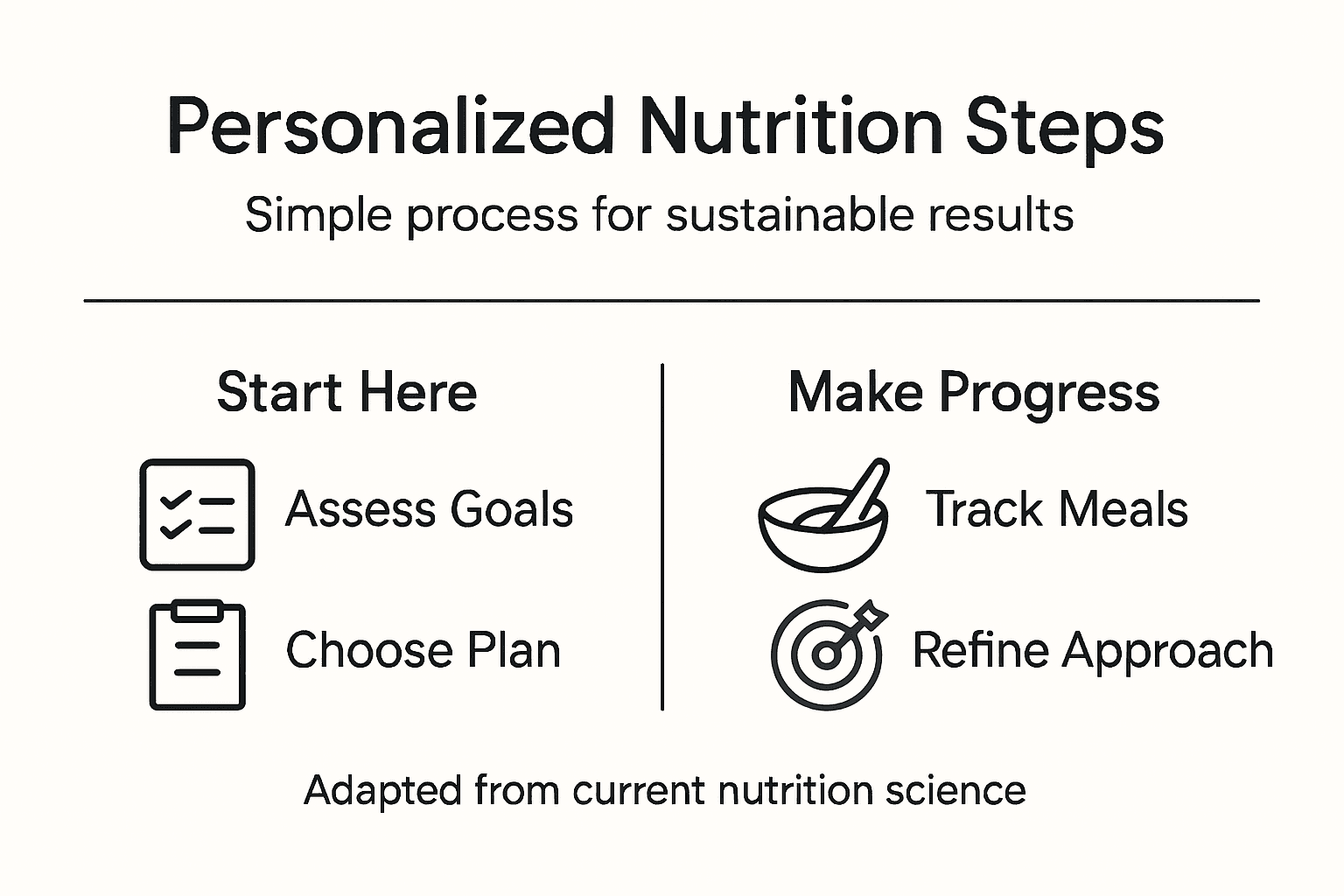
Look at your tracking data for patterns. Hit your protein targets most days? Struggled with specific meals? Found certain times when cravings spike? These observations reveal what’s sustainable and what needs modification.
Evaluate your results against your original goals:
- Weight loss: Are you trending downward at a healthy pace (1 to 2 pounds weekly)?
- Muscle gain: Do you feel stronger, and is your protein intake consistent?
- Energy: Are afternoon crashes gone? Do you recover better between workouts?
- Adherence: Did you stick to your plan most days, or did life get in the way?
If progress stalled, don’t abandon the plan yet. Small adjustments often restart momentum. Following stepwise nutrition refinement strategies helps you identify which variable to tweak first, whether that’s portions, meal timing, or macro ratios.
The best nutrition plan adapts to your life, not the other way around. Refinement isn’t failure—it’s evidence-based optimization.
Make one adjustment at a time. If calories feel too high, reduce them by 100 to 150 daily. If protein seems low, add an extra serving at lunch. Change one variable, give it two weeks, then reassess. This approach shows you what actually moved the needle.
See how recommended adjustment strategies lead to ongoing success:
| Adjustment Area | Common Issue | Sample Tweak | Expected Result |
|---|---|---|---|
| Calorie Intake | Weight loss stalls | Lower daily calories | Restart fat loss trend |
| Protein Consumption | Muscle gain slow | Add protein-rich snack | Improved muscle recovery |
| Meal Timing | Energy crashes in afternoon | Shift carbs to lunch | Better afternoon energy |
| Social Eating | Weekend overeating | Pre-plan social meals | Consistent adherence |
Consider your lifestyle too. Did work stress spike in weeks three and four? Did weekend social meals derail weekday progress? Your nutrition plan must flex with reality.
Schedule a monthly check-in moving forward. Review your data, celebrate wins, identify obstacles, and adjust as needed. This rhythm keeps you accountable while preventing the rigid perfectionism that kills long-term success.
Pro tip: Take progress photos every two weeks from the same angle and lighting—visual changes often appear before scale movement, and photos provide motivation when numbers plateau.
Unlock Your Personalized Nutrition Success with Easy Fresh Meal Solutions
The challenge of aligning your nutrition goals with a busy lifestyle is real. Many professionals in Bucharest struggle to build sustainable meal plans that match their specific needs such as weight loss, muscle gain, or improved energy levels. This step-by-step guide highlights the importance of assessing goals, customizing meals, and tracking progress. Yet the time and effort needed for consistent meal prep and accurate tracking can hold you back from achieving lasting results.
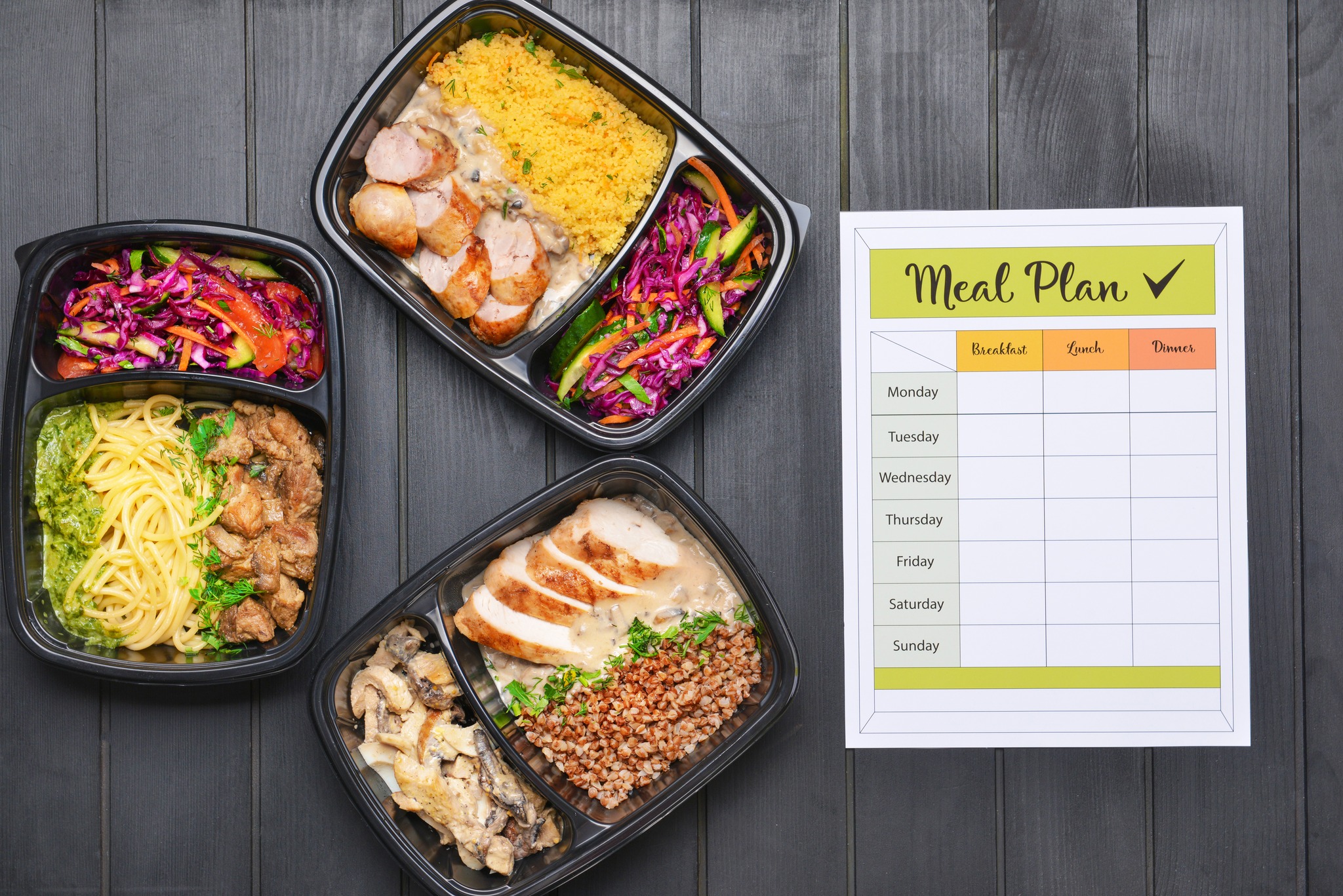
At Fresh Fitness Food, we understand these pain points and provide fresh, macro-balanced meals tailored to your unique fitness objectives. Our customizable meal plans save you hours in the kitchen while giving you precise control over your calorie, protein, and nutrient intake. Combine this with our expert lifestyle coaching and training support to refine your nutrition effectively every step of the way. Don’t wait to transform your health with practical solutions designed for busy professionals like you.
Get started now by exploring our range of personalized meal plans that fit your life and goals. Take control of your nutrition track and experience the confidence that comes from fueling your body the right way.
Frequently Asked Questions
How do I assess my personal nutrition goals and health data?
To assess your personal nutrition goals, start by defining specific objectives like weight loss, muscle gain, or improved energy. Gather health data such as your current weight, energy levels, and any dietary sensitivities, which will help you create a clear starting point for your nutrition journey.
What factors should I consider when choosing a meal plan?
When selecting a meal plan, consider your specific nutrition priorities, lifestyle constraints, and food preferences. Ensure the plan offers flexibility, food variety, and matches your macro balance to make it sustainable for your busy lifestyle.
How can I effectively track my meal adherence and nutrient intake?
Choose a tracking method that fits your routine, such as a smartphone app or a simple notebook. Log what you eat, portion sizes, and how you feel after meals for at least two weeks to identify patterns and areas for improvement.
What steps should I follow to evaluate my progress and refine my nutrition plan?
To evaluate your progress, objectively measure changes like scale weight and energy levels after four weeks. Look for patterns in your tracking data, make one adjustment at a time, and reassess after two weeks to keep moving toward your goals.
How can I ensure that my nutrition plan adapts to my busy lifestyle?
Make sure your nutrition plan includes convenient meal options that fit into your work schedule and personal preferences. By choosing pre-prepared meals or recipes that require minimal cooking time, you can create a plan that’s more likely to be followed long-term.
What should I do if I’m not seeing progress with my nutrition plan?
If progress stalls, analyze your tracking data to identify possible issues, such as calorie intake or meal timing. Make small adjustments, like reducing daily calories by 100 to 150 or shifting your carb intake, then reassess your results after two weeks to see if you’re back on track.