

Why healthy eating boosts energy by 60% for busy pros
Balanced nutrition transforms how your body performs every day. If you struggle with afternoon energy crashes or find yourself reaching for caffeine to stay alert, your diet might be the culprit. Healthy eating delivers sustained energy, supports fitness goals like muscle gain or weight loss, and protects long-term health. For busy professionals and fitness enthusiasts in Romania, understanding nutrition fundamentals and accessing convenient meal solutions makes the difference between thriving and merely surviving your demanding schedule.
Table of Contents
- Why Healthy Eating Boosts Energy And Vitality
- How Healthy Eating Supports Muscle Gain And Weight Loss
- Long-Term Health Benefits Of Healthy Eating
- Common Misconceptions About Healthy Eating
- Role Of Meal Timing And Personalization
- Overcoming Barriers With Convenient Meal Solutions
- Discover Personalized Meal Plans For Your Busy Lifestyle
- Frequently Asked Questions
Key takeaways
| Point | Details |
|---|---|
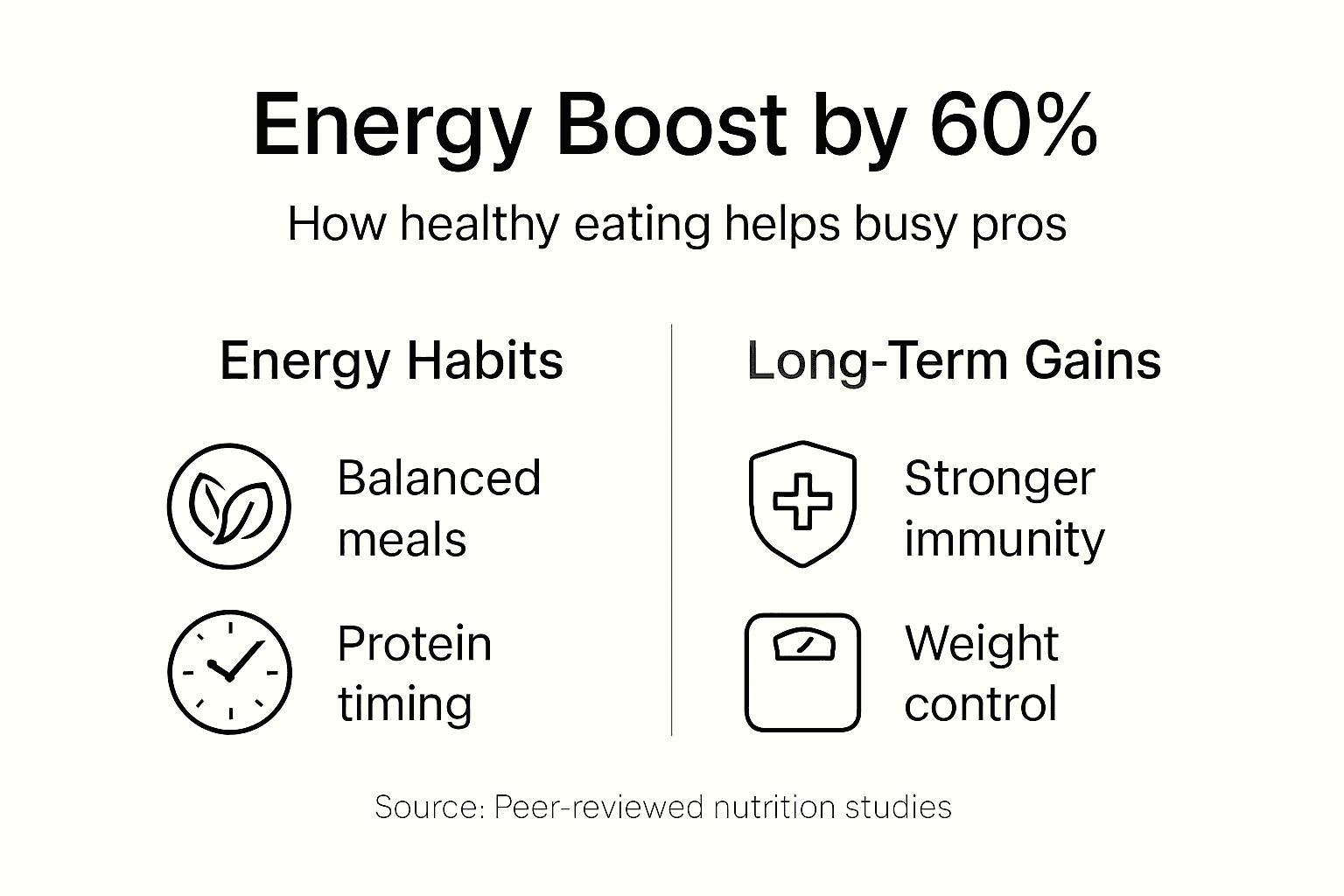
| Energy boost | Balanced meals increase daily energy expenditure by up to 10% and 60% of people report steady vitality with proper nutrition. |
| Fitness goals | Protein intake of 1.6-2.2 g/kg body weight increases muscle growth by 15-20%, while 500 kcal daily deficit enables 0.5 kg weekly fat loss. |
| Disease prevention | Diets rich in whole foods reduce chronic disease risk by up to 30% and improve immune resilience by 15-20%. |
| Myth busting | Healthy fats reduce inflammation by 20%, balanced carbs fuel metabolism, and convenient personalized meals deliver optimal nutrition. |
| Practical solutions | Meal delivery users consume 50% more fresh vegetables and lean proteins, improving adherence and results. |
Why healthy eating boosts energy and vitality
Your body runs on fuel, and the quality of that fuel determines everything. Balanced macronutrients fuel cellular metabolism efficiently, providing stable energy throughout your day instead of the roller coaster effect from processed foods. When you eat macro-balanced meals, your metabolism operates at peak efficiency.
Nutrient timing matters just as much as food quality. Eating protein and complex carbs in the morning kickstarts your metabolism, while spacing meals every 3-4 hours maintains stable blood sugar. Poor dietary choices create frequent energy dips that leave you sluggish by mid-afternoon.
The numbers tell a compelling story. Studies show that 60% of people eating balanced diets report consistent energy levels, compared to just 25% of those with unbalanced eating patterns. That dramatic difference impacts your work performance, workout quality, and overall life satisfaction.
Key factors that maximize energy:
- Complex carbohydrates provide sustained glucose release for 3-4 hours
- Protein stabilizes blood sugar and prevents crashes
- Healthy fats support hormone production and cellular function
- Adequate hydration enables nutrient transport and waste removal
“Your energy levels reflect your nutritional choices from the past 24-48 hours. Feed your cells premium fuel and they’ll reward you with premium performance.”
Pro Tip: Start your day with a protein-rich breakfast containing 25-30 grams of protein to stabilize blood sugar and reduce cravings for 4-6 hours.
How healthy eating supports muscle gain and weight loss
Building muscle and losing fat require opposite caloric approaches but share one critical element: optimal nutrition. Protein intake of 1.6-2.2 g/kg body weight increases muscle synthesis by 15-20% compared to lower intakes. Your body needs these amino acids to repair and build tissue after workouts.

For fat loss, creating a moderate caloric deficit while maintaining protein prevents muscle loss. Research demonstrates that a 500 kcal daily deficit produces approximately 0.5 kg weekly weight loss over 12 weeks when combined with balanced nutrition. This approach preserves lean mass while burning fat.
The macronutrient balance shifts based on your primary goal:
| Goal | Protein | Carbs | Fats | Calories |
|---|---|---|---|---|
| Muscle Gain | 1.8-2.2 g/kg | 4-6 g/kg | 0.8-1.0 g/kg | 10-20% surplus |
| Weight Loss | 1.8-2.4 g/kg | 2-3 g/kg | 0.5-0.8 g/kg | 15-25% deficit |
Essential nutrients for body composition:
- Leucine-rich proteins (chicken, fish, eggs) trigger muscle protein synthesis
- Complex carbs (sweet potatoes, oats, quinoa) fuel intense training
- Omega-3 fats support recovery and reduce inflammation
- Micronutrients (zinc, magnesium, vitamin D) optimize hormone production
Timing protein around your workouts amplifies results. Consuming 20-40 grams within 2 hours post-exercise maximizes the muscle-building window. Healthy meal prep for muscle gain and weight loss becomes simpler when you understand these principles.
Pro Tip: Spread protein intake evenly across 4-5 meals daily rather than loading it all at dinner. This maximizes muscle protein synthesis throughout the day.
Long-term health benefits of healthy eating
Nutrition impacts far more than your appearance or energy. Diets rich in fruits, vegetables, whole grains, and lean proteins reduce chronic disease risk by up to 30%. That translates to lower chances of developing type 2 diabetes, heart disease, and certain cancers.
Your immune system depends heavily on micronutrient availability. Roughly 2 billion people globally suffer micronutrient deficiencies, increasing their infection susceptibility by 15-20%. Getting adequate vitamins A, C, D, zinc, and selenium fortifies your body’s defense mechanisms.
Mental health benefits deserve equal attention. Good nutrition supports neurotransmitter production, stabilizes mood, and enhances cognitive function. The gut-brain axis means your digestive health directly influences mental well-being.
Long-term health advantages:
- Reduced inflammation throughout the body and joints
- Better blood pressure and cholesterol management
- Stronger bones and reduced osteoporosis risk
- Enhanced memory and cognitive performance
- Lower oxidative stress and cellular aging
Personalized nutrition benefits for immunity become increasingly important as you age. Starting healthy habits now compounds into decades of better health outcomes. The investment pays dividends in quality of life, medical costs avoided, and years of vitality gained.
Common misconceptions about healthy eating
Misinformation about nutrition creates unnecessary confusion and sabotages your progress. Let’s clear up the most damaging myths that prevent people from achieving their health goals.
Myth 1: All fats make you fat
Healthy fats are essential for hormone production, brain function, and vitamin absorption. Omega-3 intake links to a 20% reduction in chronic inflammation markers. Avocados, nuts, olive oil, and fatty fish should be dietary staples, not enemies. The problem lies with trans fats and excessive omega-6 intake, not quality fat sources.
Myth 2: Carbs always cause weight gain
Carbohydrates fuel your brain, muscles, and metabolism. The issue isn’t carbs themselves but refined, processed versions lacking fiber and nutrients. Complex carbohydrates from vegetables, fruits, and whole grains provide sustained energy without blood sugar spikes. Athletes and active individuals especially need adequate carbs for performance and recovery.
Myth 3: Convenient meals can’t be healthy
This outdated belief ignores modern meal delivery innovations. Personalized meal services now provide restaurant-quality nutrition tailored to your exact macronutrient needs. Common healthy eating myths often stem from confusion between fast food and planned, balanced meal solutions.
Pro Tip: Don’t eliminate entire food groups unless medically necessary. Your body needs diverse nutrients from various sources for optimal function.
Role of meal timing and personalization
When you eat matters almost as much as what you eat. Strategic meal timing optimizes metabolism, energy availability, and workout performance. Eating breakfast within 90 minutes of waking jumpstarts your metabolic rate for the day.
Personalization takes nutrition from generic advice to targeted strategy. Your age, gender, activity level, fitness goals, and food preferences all factor into the ideal eating plan. What works for a sedentary office worker differs dramatically from an athlete’s needs.
Benefits of meal timing and personalization:
- Improved insulin sensitivity and blood sugar control
- Enhanced workout performance and recovery
- Better adherence through preference-matched foods
- Optimized hormone production (cortisol, testosterone, growth hormone)
- Reduced hunger and cravings between meals
Personalized meal plans for busy lifestyles account for your schedule constraints. If you work irregular hours or travel frequently, your meal timing strategy needs flexibility while maintaining nutritional consistency. The key is finding a sustainable rhythm that fits your life.
Consistency beats perfection. Eating balanced meals at roughly the same times daily trains your metabolism and hunger signals. Your body adapts to predictable fuel delivery, improving digestion and energy management.
Overcoming barriers with convenient meal solutions
Time scarcity remains the biggest obstacle to healthy eating for busy professionals. Meal planning, grocery shopping, and cooking consume 7-10 hours weekly. That’s time most people simply don’t have while managing careers, fitness routines, and personal lives.
Meal delivery services eliminate these barriers without compromising nutrition quality. Users of meal services report 50% higher consumption of fresh vegetables and lean proteins. Access to pre-portioned, macro-balanced meals removes decision fatigue and ensures consistency.
Advantages of convenient meal solutions:
- Zero meal planning or grocery shopping required
- Precise portion control prevents overeating
- Professional chef preparation maintains variety and flavor
- Nutritionist-designed menus optimize macronutrient ratios
- Flexible plans adapt to changing fitness goals
Meal plans for busy professionals deliver fresh ingredients prepared by culinary experts. You get restaurant-quality meals aligned with your specific caloric and macro targets. Whether you’re pursuing muscle gain, fat loss, or maintenance, tailored solutions exist.
Personalized meal solutions for convenience work especially well when combined with clear goals and regular progress tracking. The service handles nutrition execution while you focus on training and recovery.
Pro Tip: Choose meal services that transparently display complete nutritional information per serving. This lets you verify the food matches your specific macro targets and dietary preferences.
Discover personalized meal plans for your busy lifestyle
You now understand the science behind nutrition, but knowledge means nothing without action. Fresh Fitness Food delivers macro-balanced, chef-prepared meals directly to busy professionals throughout Romania. Each meal is designed by nutritionists to support your specific goals, whether building muscle, losing fat, or maintaining peak performance.
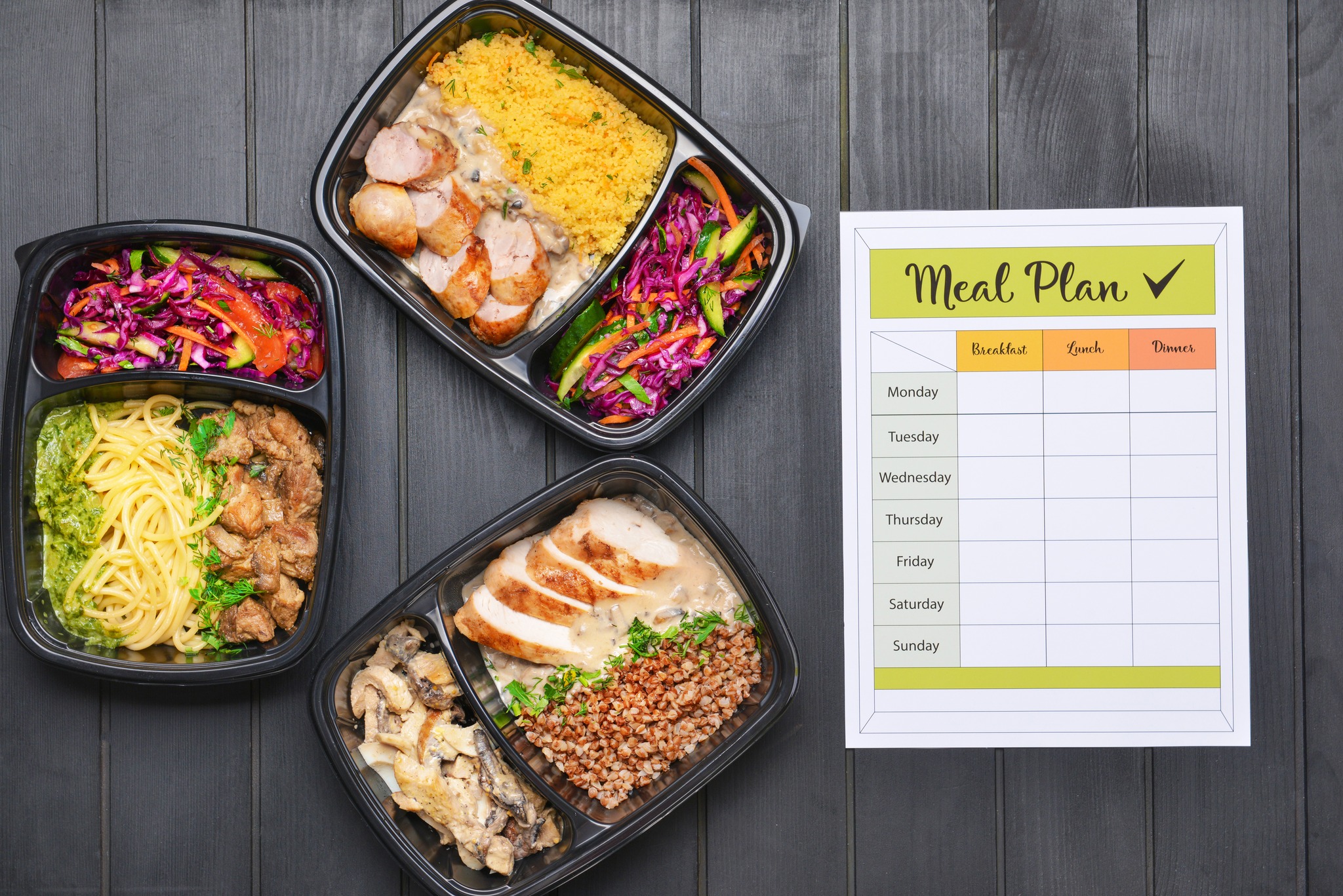
No more meal prep marathons or nutrition guesswork. Explore personalized meal plans tailored to your lifestyle and fitness objectives. Discover why choose meal plans that save you hours weekly while delivering better results than generic diets. Check out fitness meal plan examples to see exactly how customized nutrition transforms your energy, body composition, and overall health. Your journey to effortless healthy eating starts with one simple decision.
Frequently asked questions
What are the essential nutrients for muscle gain?
Protein is the foundation, with 1.6-2.2 g/kg body weight daily supporting optimal muscle synthesis. Carbohydrates provide the energy for intense training, while healthy fats support hormone production and recovery.
How can busy professionals maintain a healthy diet consistently?
Personalized meal delivery services eliminate time barriers while ensuring balanced nutrition. Alternatively, batch cooking on weekends and using simple meal templates keeps you on track without daily cooking.
Are all fats bad for health and weight management?
No, healthy fats like omega-3s from fish, avocados, and nuts are essential for brain function and inflammation control. Avoid trans fats and limit saturated fats, but include quality fat sources for optimal health.
What role does meal timing play in achieving fitness goals?
Meal timing optimizes metabolism and energy management throughout your day. Eating protein-rich meals around workouts enhances muscle recovery and fat oxidation, improving body composition results.