

Customize Vegetarian Nutrition for 22% Better Muscle Gain
Customizing vegetarian nutrition to match your fitness goals can feel overwhelming. Whether you aim to build muscle, manage weight, or boost overall wellness, balancing plant-based macros and micronutrients requires strategy. This guide walks you through a systematic approach to tailor your vegetarian diet for optimal results, addressing common challenges like protein adequacy, meal timing, and micronutrient gaps that Romanian health enthusiasts face daily.
Table of Contents
- Prerequisites: What You Need Before You Start
- Step 1: Define Your Fitness Goal And Caloric Needs
- Step 2: Set Macronutrient Targets Based On Goals
- Step 3: Choose High-Quality Plant Protein Sources And Complement
- Step 4: Plan Meal Timing And Frequency For Optimal Absorption
- Step 5: Address Micronutrient Gaps: Iron, B12, Omega-3
- Common Mistakes And Troubleshooting
- Expected Results And Success Metrics
- Discover Customized Vegetarian Meal Plans For Your Fitness Goals
- Frequently Asked Questions
Key Takeaways
| Point | Details |
|---|---|
| Clear goals and caloric needs drive customization | Define your objective and calculate TDEE to set the foundation for personalized nutrition. |
| Protein targets are higher for vegetarians | Plant proteins require 10 to 20% more intake due to lower digestibility compared to animal sources. |
| Meal timing and micronutrients matter | Distribute protein across 4 to 6 meals daily and address B12, iron, and omega-3 gaps. |
| Common mistakes include inadequate protein | Avoid low intake, neglecting supplements, and irregular meal patterns that hinder progress. |
| Realistic metrics track success | Monitor muscle gain of 0.5 to 1 kg monthly and weight loss of 0.5 to 1 kg weekly. |
Prerequisites: What You Need Before You Start
Before diving into customization, you need clarity and tools. Start by identifying your specific fitness goal: weight loss, muscle gain, or general wellness. Each objective demands different caloric and macronutrient strategies. Without this clarity, your efforts scatter and results suffer.
Gather practical tools like calorie tracking apps or a simple food journal. These help you monitor intake accurately and adjust as needed. Understanding basic vegetarian protein sources is essential. Legumes, tofu, tempeh, seitan, and quinoa form your protein foundation. Recognize that plant proteins come with digestibility challenges that require strategic planning.
Micronutrient awareness is non-negotiable. Vegetarian diets often lack sufficient vitamin B12, iron, and omega-3 fatty acids. Be prepared to supplement or prioritize fortified foods. Your success depends on consistent tracking and meal planning, not sporadic efforts.
Commit to the process with realistic expectations. Progress takes time, and daily habits compound into results. If you need structured guidance, nutritional coaching for personalized success provides expert support. You can also build a personalized meal plan tailored to your goals.
Pro Tip: Set up your tracking system before changing your diet. Baseline data helps you measure progress accurately and adjust strategies when results stall.
Step 1: Define Your Fitness Goal and Caloric Needs
Your fitness goal determines every nutritional decision that follows. Are you aiming to lose body fat, build muscle mass, or maintain wellness? Each goal requires a different caloric approach. Clarity here prevents wasted effort on generic meal plans that fail to deliver.
Calculate your Total Daily Energy Expenditure to establish your caloric baseline. TDEE accounts for your basal metabolic rate plus activity level. Once you have this number, adjust it based on your objective. For fat loss, create a moderate deficit of 300 to 500 calories daily. For muscle gain, add a surplus of 200 to 400 calories above maintenance.
Use realistic benchmarks to set expectations. Gradual weight loss of about 0.5 to 1 kg per week is considered sustainable on a vegetarian weight management plan. For muscle gain, expect 0.5 to 1 kg monthly with proper training and nutrition. These targets keep you motivated without risking burnout or nutritional deficiencies.
Set measurable goals that you can track weekly. Body weight, body composition measurements, and strength progress provide objective feedback. Adjust your caloric intake every two to four weeks based on results. If progress stalls, reassess your numbers and activity level.
- Identify your primary fitness objective clearly.
- Calculate your TDEE using an online calculator or formula.
- Adjust calories for deficit or surplus based on your goal.
- Set weekly or monthly measurable targets.
- Review and adjust every two to four weeks.
For practical strategies, explore meal planning for fitness to align your goals with actionable meal structures.
Step 2: Set Macronutrient Targets Based on Goals
Breaking down your calories into protein, carbohydrates, and fats is where customization truly begins. Protein is your priority. Vegetarians require 10 to 20% higher protein intake due to lower digestibility of plant proteins. Aim for 1.2 to 1.8 grams per kilogram of body weight for general fitness. If muscle gain is your goal, increase this to 1.6 to 2.2 grams per kilogram daily.
Carbohydrates fuel your workouts and support recovery. Set carbohydrate intake based on activity level. Active individuals need 4 to 6 grams per kilogram, while sedentary goals may require 2 to 3 grams per kilogram. Choose whole grains, fruits, and starchy vegetables for sustained energy.
Healthy fats support hormone production and nutrient absorption. Include sources like avocados, nuts, seeds, and olive oil. Omega-3 fatty acids from flaxseeds and walnuts are particularly important for vegetarians. Target 0.8 to 1 gram per kilogram of body weight.
| Goal | Protein (g/kg) | Carbs (g/kg) | Fat (g/kg) |
|---|---|---|---|
| Weight Loss | 1.6 to 2.0 | 2 to 3 | 0.6 to 0.8 |
| Muscle Gain | 1.8 to 2.2 | 4 to 6 | 0.8 to 1.0 |
| Wellness | 1.2 to 1.6 | 3 to 5 | 0.8 to 1.0 |
Pro Tip: Prioritize whole food protein sources over processed alternatives. Diversify your intake throughout the day to maximize amino acid absorption and support muscle synthesis effectively.
Learn more about aligning macros with your fitness approach through types of fitness diets for personalized health goals.
Step 3: Choose High-Quality Plant Protein Sources and Complement
Protein quality matters as much as quantity. Your body needs all nine essential amino acids for muscle synthesis and recovery. Plant proteins often lack one or more of these amino acids, but combining different plant protein sources throughout the day naturally provides all nine essential amino acids without needing to combine proteins at every meal.

Key protein sources include legumes like lentils, chickpeas, and black beans. Tofu, tempeh, and seitan are versatile and protein dense. Quinoa is a complete protein, meaning it contains all essential amino acids. Plant-based protein powders made from pea, rice, or hemp offer convenient supplementation when whole food intake falls short.
Protein-rich vegetarian foods provide 10 to 21 grams of protein per serving, supporting muscle synthesis effectively. A serving of tofu delivers about 10 grams, while a cup of cooked lentils provides 18 grams. Seitan offers an impressive 21 grams per serving. Use these numbers to build daily meal plans that hit your protein targets.
Variety is your advantage. Rotate through different protein sources across meals and days. This approach ensures you get a broad spectrum of amino acids and prevents dietary boredom. Pair grains with legumes, or add nuts and seeds to salads and smoothies.
- Legumes: lentils, chickpeas, black beans
- Soy products: tofu, tempeh, edamame
- Seitan: wheat protein with highest plant protein density
- Quinoa: complete protein grain
- Plant-based protein powders: pea, rice, hemp
Discover practical benefits of diverse protein choices through vegetarian fitness meal benefits that support your training goals.
Statistic: Vegetarian meals featuring varied protein sources deliver 10 to 21 grams per serving, making daily targets achievable without animal products.
Step 4: Plan Meal Timing and Frequency for Optimal Absorption
When you eat matters almost as much as what you eat. Spreading protein intake over 4 to 6 meals daily improves absorption and supports muscle growth. This frequency keeps amino acids available for muscle repair throughout the day, maintaining an anabolic state that promotes gains.
Time your protein-rich meals strategically around workouts. Consume a meal or snack containing 20 to 30 grams of protein within two hours post-exercise. This window maximizes muscle protein synthesis and accelerates recovery. Pre-workout nutrition should include easily digestible carbs and moderate protein to fuel performance.
Avoid long intervals without protein. Going more than four to five hours between meals can reduce muscle protein synthesis rates. Consistent feeding patterns train your metabolism and stabilize energy levels. Meal prep or set reminders to maintain this rhythm, especially during busy days.
Balance your plate at each meal. Include protein, complex carbohydrates, and healthy fats to slow digestion and provide sustained energy. This combination also enhances nutrient absorption and keeps hunger at bay between meals.
- Aim for 4 to 6 balanced meals or snacks daily
- Time protein intake around workouts for recovery
- Avoid gaps longer than 4 to 5 hours without protein
- Balance macros at each meal for sustained energy
Pro Tip: Set smartphone reminders for meal times or prep meals in advance on weekends. Consistency in timing amplifies results more than perfect food choices alone.
For strategies to maintain this consistency, check out adjusting fitness meal programs to fit your schedule.
Step 5: Address Micronutrient Gaps: Iron, B12, Omega-3
Micronutrients fuel the processes that macros cannot. Iron, vitamin B12, and omega-3 fatty acids are common micronutrient gaps that must be deliberately addressed for optimal fitness. Without these, energy plummets and recovery suffers, no matter how perfect your macros are.
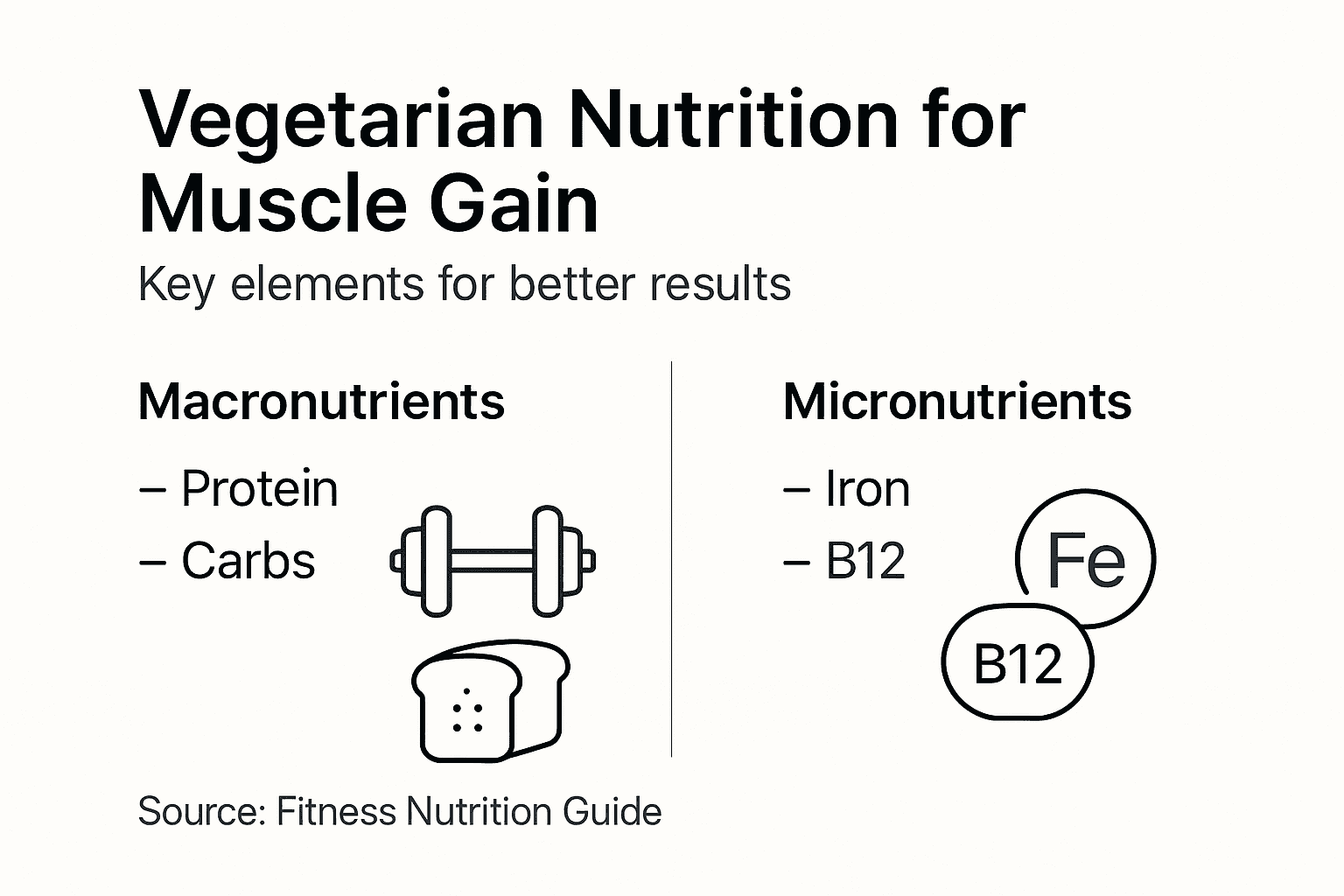
Iron supports oxygen transport to muscles and maintains energy levels. Plant-based iron from legumes, fortified cereals, and dark leafy greens is less bioavailable than heme iron from meat. Pair iron-rich foods with vitamin C sources like citrus, bell peppers, or tomatoes to enhance absorption.
Vitamin B12 is absent from plant foods unless fortified or supplemented. Vitamin B12 deficiency without supplementation can impair energy metabolism and fitness outcomes. Take a B12 supplement or consume fortified plant milks, cereals, and nutritional yeast daily. Regular blood tests help monitor your status.
Omega-3 fatty acids support heart health, reduce inflammation, and aid cognitive function. ALA from flaxseeds, chia seeds, and walnuts provides the plant-based form. Consider algae-based omega-3 supplements for EPA and DHA, the active forms your body uses most efficiently.
- Iron: legumes, fortified cereals, dark leafy greens with vitamin C
- Vitamin B12: supplements, fortified plant milks, nutritional yeast
- Omega-3 ALA: flaxseeds, chia seeds, walnuts
- Algae-based omega-3 supplements for EPA and DHA
- Regular blood work to monitor micronutrient levels
Work with professionals through nutritional coaching for micronutrient guidance to tailor supplementation to your specific needs.
Common Mistakes and Troubleshooting
Even with solid plans, mistakes happen. Inadequate protein intake, neglecting micronutrient supplementation, and poor meal timing are common mistakes impacting fitness progress. Recognizing these pitfalls early saves months of stalled results and frustration.
Protein intake often falls short because plant sources are less dense and digestible. You think you are eating enough, but calculations reveal a gap. Fix this by increasing portion sizes and diversifying sources across every meal. Track your intake for one week to identify shortfalls.
Ignoring vitamin B12 and iron supplementation leads to fatigue and weakened immunity. These deficiencies creep up slowly, masking themselves as overtraining or lack of motivation. Test your levels annually and supplement proactively rather than reactively.
Irregular meal timing disrupts muscle protein synthesis and nutrient utilization. Skipping meals or eating randomly reduces the effectiveness of your nutrition plan. Establish a consistent eating schedule and prepare meals in advance to avoid last-minute poor choices.
Excessive reliance on processed vegetarian convenience foods undermines health. These products are often high in sodium, refined carbs, and low in micronutrients. Prioritize whole foods and use processed options sparingly for convenience, not as dietary staples.
- Increase protein portions and diversify sources daily
- Supplement B12 and monitor iron levels regularly
- Maintain consistent meal timing for nutrient effectiveness
- Limit processed vegetarian foods in favor of whole options
- Set achievable expectations and track measurable progress
Avoid the trap of comparing your progress to others. Your body responds uniquely based on genetics, training, and adherence. Focus on your own measurable improvements week to week.
Explore foundational strategies through vegetarian meal prep basics to build sustainable habits that prevent these common mistakes.
Expected Results and Success Metrics
Realistic expectations keep you motivated and prevent discouragement. Muscle gain averages 0.5 to 1 kg per month with sustained protein surplus and training. This pace reflects natural physiological limits and ensures quality muscle rather than excess fat.
Weight loss follows a similar sustainable trajectory. Expect 0.5 to 1 kg weekly through a moderate caloric deficit paired with strength training. Faster losses often indicate muscle loss or unsustainable restriction. Slow and steady wins the long-term health game.
Wellness improvements appear faster than physical changes. Increased energy, better recovery, improved sleep, and stable mood often manifest within two to three weeks of optimized nutrition. These subjective markers validate your efforts before the scale or mirror reflects change.
Track progress using multiple metrics. Body composition measurements reveal fat loss and muscle gain more accurately than weight alone. Strength improvements in the gym indicate functional progress. Energy levels and recovery speed provide qualitative feedback.
Adjust your nutrition plan based on outcomes every two to four weeks. If muscle gain stalls, increase calories slightly. If weight loss plateaus, reassess your deficit and activity level. Flexibility and responsiveness turn good plans into great results.
- Muscle gain: 0.5 to 1 kg monthly with protein and training
- Weight loss: 0.5 to 1 kg weekly with moderate deficit
- Wellness: increased energy and recovery within 2 to 3 weeks
- Track body composition, strength, and subjective energy
- Adjust plans every 2 to 4 weeks based on results
Build sustainable success with guidance from a personalized meal plan for success designed around your unique goals and lifestyle.
Discover Customized Vegetarian Meal Plans for Your Fitness Goals
Applying these strategies consistently requires effort and planning. Fresh Fitness Food simplifies this process with expert-curated vegetarian meal plans tailored to your specific fitness goals. Each plan balances macronutrients and micronutrients to support muscle gain, weight loss, or overall wellness without the guesswork.
Our convenient options are designed for busy lifestyles, delivering fresh, nutritious meals directly to you. Professional personalization ensures your meals align with your caloric needs, protein targets, and micronutrient requirements. You focus on training and recovery while we handle the nutrition.
Explore how to build a personalized meal plan that fits your goals. Discover personalized meal solutions for fitness that remove the complexity from vegetarian nutrition. Review fitness meal plan examples to see how customization translates into real results.
Frequently Asked Questions
What is the best way to track my vegetarian nutrition macros?
Use a food tracking app like MyFitnessPal or Cronometer to log meals and monitor protein, carbs, and fats daily. Weigh foods for accuracy during the first few weeks until portion estimation improves. For ongoing support, nutritional coaching benefits provide personalized tracking guidance.
Can I build muscle effectively without animal protein?
Yes, plant proteins support muscle growth when consumed in adequate amounts with variety throughout the day. Aim for 1.8 to 2.2 grams per kilogram of body weight and combine diverse sources to ensure complete amino acid profiles. Consistent strength training and meal timing further optimize muscle synthesis.
How often should I adjust my vegetarian meal plan?
Reassess your meal plan every two to four weeks based on measurable progress. If muscle gain or weight loss stalls for two consecutive weeks, adjust calories or macros by 100 to 200 calories. Track body composition and strength improvements to guide adjustments rather than relying solely on scale weight.
What are easy vegetarian sources of vitamin B12?
Fortified plant milks, breakfast cereals, and nutritional yeast provide reliable B12. Supplements in doses of 250 to 500 micrograms daily are the most effective way to meet needs consistently. Test your B12 levels annually to confirm adequacy, especially if you experience fatigue or cognitive issues.
How does meal timing affect muscle growth on a vegetarian diet?
Spreading protein intake over four to six meals daily maintains elevated amino acid levels, maximizing muscle protein synthesis. Timing a protein-rich meal within two hours post-workout enhances recovery and growth. Consistent meal spacing prevents prolonged periods without protein that limit anabolic processes.